

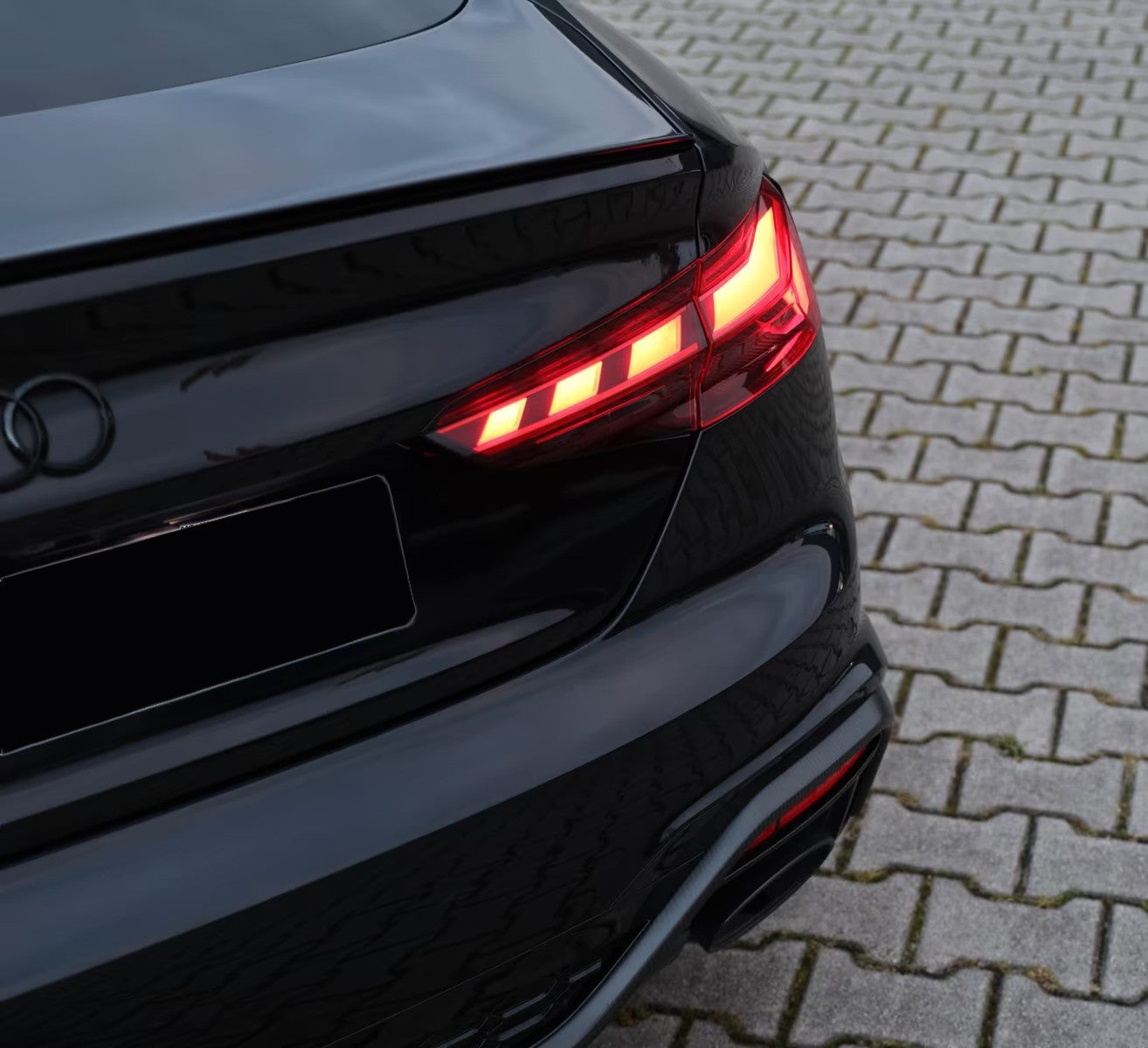
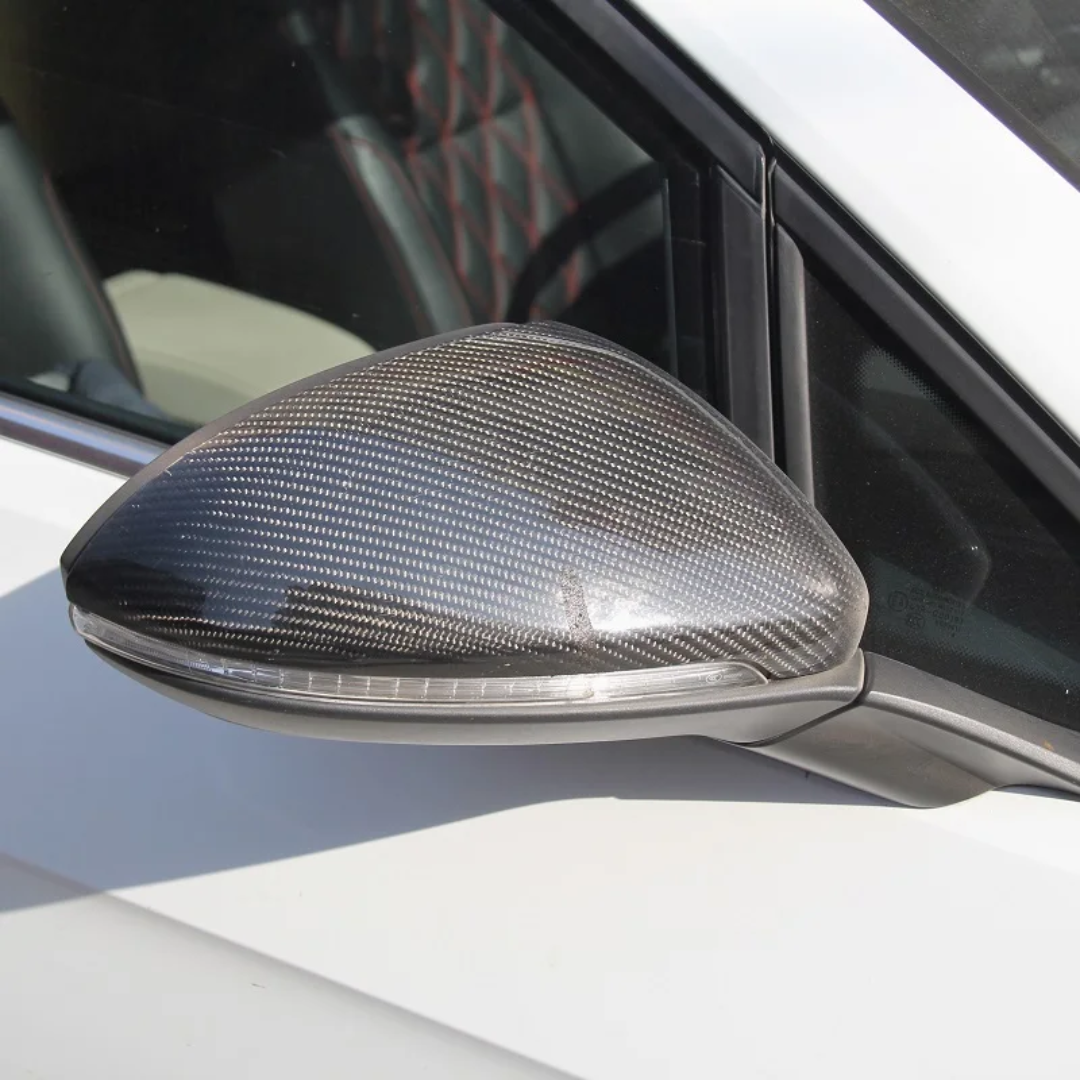


Der BMW X1 U11 stellt einen bedeutenden Wendepunkt in der Kompakt-SUV-Modellpalette von BMW dar. Das 2022 als dritte Generation des X1 eingeführte Modell wechselte entschlossen zu einer vorwiegend auf Frontantrieb ausgerichteten Plattform, die es sich mit dem MINI Countryman und dem BMW 2er Active Tourer teilt – eine mutige Abkehr von der traditionelleren Hinterradantriebsarchitektur seiner Vorgänger.
Der U11 ist klar im Segment der Premium-Kompakt-SUVs positioniert und steht in direkter Konkurrenz zum Audi Q3, Mercedes-Benz GLA und Volvo XC40. Er bietet einen deutlich geräumigeren Innenraum als sein Vorgänger, ein volldigitales Cockpit sowie eine Auswahl an Mild-Hybrid-, Plug-in-Hybrid- und vollelektrischen Antriebssträngen unter dem Namen iX1.
Für US-Käufer ist der X1 U11 in den Ausstattungsvarianten sDrive28i und xDrive28i erhältlich, die beide von einem 2,0-Liter-Vierzylinder-Turbomotor angetrieben werden. Unabhängig davon, ob Sie ein Gebrauchtfahrzeug oder ein kürzlich aus dem Leasing entlassenes Fahrzeug in Betracht ziehen, ist es unerlässlich, die bekannten Stärken und Schwächen dieser Generation zu kennen, bevor Sie sich zum Kauf entschließen.
Teile & Zubehör
Ihr BMW X1 U11 hat Besseres verdient.
Sorgfältig ausgewählte Performance- und Ersatzteile – versandfertig.
BMW X1 U11-Teile kaufen →Geschichte und Varianten
Der BMW X1 U11 ging 2022 für das Modelljahr 2023 in Produktion und löste damit die seit 2016 verkaufte F48-Generation ab. Diese dritte Generation des X1 basiert auf der FAAR-Architektur (Front-Axle Aluminum Architecture) von BMW und ist damit der bislang am stärksten auf Frontantrieb ausgerichtete X1.
In Europa ist die Motorenpalette breiter gefächert und umfasst Benziner, Diesel, Mild-Hybrid- sowie Plug-in-Hybrid-Varianten. Auf dem US-Markt hat BMW die Modellpalette auf zwei Kernvarianten vereinfacht: den sDrive28i (Vorderradantrieb) und den xDrive28i (Allradantrieb), die beide mit dem B48-Vierzylinder-Turbomotor ausgestattet sind. Der vollelektrische iX1 xDrive30 wird in einigen Märkten separat als eigenständiges Modell angeboten.
Der BMW X1 F48-Zuverlässigkeitsleitfaden behandelt die Vorgängergeneration, falls Sie beide Plattformen vergleichen möchten.
| Motor | Hubraum | Leistung | Drehmoment | 0–60 mph | Anmerkungen |
|---|---|---|---|---|---|
| sDrive28i (B48) | 2,0 l Turbo-4-Zylinder | 241 hp | 295 lb-ft | ca. 6,0 Sek. | Frontantrieb, 7-Gang-DCT, US-Markt |
| xDrive28i (B48) | 2,0 l Turbo-4-Zylinder | 241 hp | 295 lb-ft | ca. 5,6 Sek. | Allradantrieb, 7-Gang-DCT, US-Markt |
| sDrive18i (B38) | 1,5 l Turbo-Dreizylinder | 136 hp | 162 lb-ft | ca. 9,4 Sek. | Nur in Europa erhältlich, Mild-Hybrid |
| xDrive23i (B48) | 2,0 l Turbo-4-Zylinder | 218 hp | 258 lb-ft | ~7,0 Sek. | Nur in Europa |
| xDrive25e (B38e) | 1,5 l Turbo-PHEV | 245 hp kombiniert | 284 lb-ft | ~6,0 Sek. | Europa-PHEV |
| iX1 xDrive30 | Elektro | 313 hp | 365 lb-ft | ~5,6 Sek. | Vollelektrisch, eigenständiges Modell |
So überprüfen Sie die Fahrgeschichte eines gebrauchten BMW X1 U11
Vor dem Kauf eines gebrauchten BMW X1 U11 ist es unerlässlich, vollständige Transparenz über dessen Vergangenheit zu gewährleisten. Nicht offengelegte Unfälle können mangelhafte Reparaturen verbergen, die die Sicherheit von Fahrer und Insassen direkt gefährden.
Die fortschrittlichen Fahrerassistenzsysteme des U11 machen versteckte Schäden besonders riskant. Ein falsch ausgerichteter vorderer Hilfsrahmen kann die Kalibrierung der Radarsensoren beeinträchtigen, nicht ausgetauschte Frontairbags oder Seitenairbags lösen bei einem zweiten Unfall möglicherweise nicht korrekt aus, und hastig reparierte Fahrwerkskomponenten auf dieser FAAR-Plattform können zu unvorhersehbarem Fahrverhalten führen, das sich bei einer Probefahrt allein nicht erkennen lässt. Es wird daher dringend empfohlen, vor einer Kaufentscheidung die vollständige Fahrzeughistorie anhand des Kennzeichens oder der Fahrgestellnummer zu überprüfen.
Sichern Sie sich sofort 20 % Rabatt, um über carVertical mit vollständiger Transparenz auf die gesamte Fahrzeughistorie zuzugreifen, indem Sie auf diesen Link oder das untenstehende Banner klicken:

Wichtigste Stärken
Der BMW X1 U11 ist einer der ausgewogensten Kompakt-SUVs im Premium-Segment und bietet dem Gebrauchtwagenkäufer mehrere echte Vorteile.
Der Innenraum stellt einen großen Fortschritt dar. Der Platz im Innenraum, insbesondere im Fond, ist deutlich größer als bei der F48-Generation, was den U11 für Familien wirklich praktisch macht. Das geschwungene digitale iDrive-9-Display ist scharf, reaktionsschnell und weitaus intuitiver als frühere BMW-Infotainmentsysteme.
Der B48-Motor ist einer der bewährtesten modernen Antriebe von BMW. Er hat bereits Hunderttausende von Meilen in verschiedenen Modellen zurückgelegt – darunter die 3er-Reihe G20 und die 2er-Reihe G42 –, was Käufern ein realistisches Bild von seiner Langlebigkeit vermittelt. In Kombination mit dem 7-Gang-Doppelkupplungsgetriebe (DL382) ist die Fahrleistung spritzig und der Kraftstoffverbrauch für diese Klasse solide.
Die ADAS-Ausstattung – einschließlich Spurhalteassistent, adaptiver Tempomat und automatischer Notbremsfunktion – ist selbst in den Basisausstattungsvarianten umfassend. Auch die Verarbeitungsqualität hat sich gegenüber dem F48 spürbar verbessert, mit engeren Spaltmaßen und einer insgesamt hochwertigeren Anmutung im gesamten Innenraum.
Bekannte Zuverlässigkeitsprobleme
sDrive28i / xDrive28i – B48-Motor
Der 2,0-Liter-B48-Vierzylinder-Turbomotor ist grundsätzlich ein zuverlässiger Motor, doch in den ersten Produktionsjahren des U11 sind mehrere Probleme aufgetreten.
Verschleiß der Hochdruckkraftstoffpumpe (HPFP) – Bei einigen frühen U11-Modellen wurde von unruhigem Leerlauf und Ruckeln unter Last berichtet, was auf vorzeitigen Verschleiß der HPFP zurückgeführt wurde. Schweregrad: mäßig. Typische Laufleistung: 15.000–35.000 Meilen. BMW hat ein technisches Service-Bulletin herausgegeben, das sich mit diesem Problem bei bestimmten Produktionschargen befasst.
Motorölverbrauch – Ein bekanntes Merkmal der B48-Familie. Einige Besitzer berichten von einem Verbrauch von bis zu einem Quart pro 3.000 Meilen, insbesondere in wärmeren Klimazonen oder bei aggressiver Fahrweise. Schweregrad: mäßig. Überprüfen Sie den Ölstand zwischen den Wartungen und achten Sie bei Probefahrten auf blauen Abgasrauch.
Unregelmäßigkeiten beim Ladedruck des Turboladers — Bei einer kleinen Anzahl von U11-Motoren sind Ladedruck-bezogene Fehlercodes (typischerweise P0299) aufgetreten, die durch einen defekten Wastegate-Stellantrieb oder geringfügige Undichtigkeiten an der Ladedruckleitung verursacht wurden. Schweregrad: mäßig. Typische Laufleistung: 20.000–50.000 Meilen.
Undichte Ventildeckeldichtung — Bei Fahrzeugen mit hoher Laufleistung sind erste Anzeichen für geringfügiges Austreten von Öl aus der Ventildeckeldichtung aufgetreten. Schweregrad: gering bis mäßig. Typische Laufleistung: 40.000–70.000 Meilen.
xDrive28i – DL382 7-Gang-DCT (Doppelkupplungsgetriebe)
Ruckeln und Stocken bei niedrigen Geschwindigkeiten — Das 7-Gang-Doppelkupplungsgetriebe kann bei Manövern mit niedriger Geschwindigkeit, insbesondere im kalten Zustand, spürbares Ruckeln oder Stocken aufweisen. Dies ist zum Teil ein Problem der Softwarekalibrierung und zum Teil eine Eigenschaft der Trocken-Doppelkupplungskonstruktion. Schweregrad: Mäßig. Typische Laufleistung: 0–30.000 Meilen. BMW hat mehrere Software-Updates veröffentlicht, um dieses Problem zu beheben.
Verschleiß des Getriebeöls — BMW vermarktet das DCT-Öl offiziell als „lebenslange Befüllung“, doch praktische Erfahrungen mit verschiedenen Modellen, die dieses Getriebe verwenden — darunter auch der BMW 3er G20 — legen nahe, dass ein Ölwechsel alle 40.000–50.000 Meilen dringend ratsam ist, um die Lebensdauer des Kupplungspakets zu erhalten.
xDrive28i PHEV (xDrive25e – Europa)
Entladung der 12-V-Zusatzbatterie – Bei Plug-in-Hybrid-Varianten treten wiederholt Probleme mit einer vorzeitigen Entladung der 12-V-Zusatzbatterie auf, insbesondere wenn das Fahrzeug über längere Zeit ungenutzt steht. Schweregrad: gering bis mittel. Typische Laufleistung: 10.000–30.000 Meilen.
Fehler am Wechselrichter des Elektromotors — Bei einer kleinen Anzahl von PHEV-Fahrzeugen wurden Fehlercodes im Zusammenhang mit dem Hochspannungs-Wechselrichter gemeldet, die zu einem Ausfall des elektrischen Fahrmodus führten. Schweregrad: Kritisch, wenn nicht behoben. Typische Laufleistung: 20.000–40.000 Meilen. Erfordert eine Diagnose durch den Händler.
Probleme am Fahrwerk
Buchsen der vorderen unteren Querlenker — Bei der FAAR-Plattform können sich die Buchsen der vorderen unteren Querlenker früher als erwartet abnutzen, insbesondere in Märkten mit unebenen Straßen oder bei häufiger Beladung des Fahrzeugs. Zu den Symptomen gehören unpräzises Lenkverhalten und klackernde Geräusche auf unebenem Untergrund. Schweregrad: Mäßig. Typische Laufleistung: 40.000–70.000 Meilen.
Befestigungen der hinteren Längslenker – Eine kleine Anzahl von Besitzern hat Knarzgeräusche aus der Hinterradaufhängung gemeldet, die auf eine vorzeitige Erweichung der Buchsen an den Befestigungen der hinteren Längslenker zurückzuführen sind. Schweregrad: Gering. Typische Laufleistung: 35.000–60.000 Meilen.
Elektronik und Software
iDrive-9-Softwarefehler – Das neue, gebogene Display und das iDrive-9-System sind zwar beeindruckend, leiden jedoch unter gelegentlichem Einfrieren, zufälligen Neustarts und Unterbrechungen der Bluetooth-Verbindung. Schweregrad: Gering. In der Regel durch drahtlose Software-Updates behoben, bei einigen Fahrzeugen war jedoch ein Neuprogrammieren des zentralen Gateway-Moduls beim Händler erforderlich.
Kalibrierungsabweichung der ADAS-Sensoren — Nach leichten Unfällen oder einem Austausch der Windschutzscheibe müssen das Frontradar und die Kameragruppe fachgerecht neu kalibriert werden. Mehrere Besitzer haben berichtet, dass nicht kalibrierte Sensoren falsche Notbremsvorgänge ausgelöst haben. Schweregrad: Mäßig. Überprüfen Sie bei jedem Gebrauchtwagen stets die ADAS-Kalibrierungshistorie.
Ausfälle des Ambient-Beleuchtungsmoduls — Eine geringfügige, aber wiederkehrende Beanstandung betrifft den Ausfall einzelner Ambient-Beleuchtungszonen, was den Austausch der gesamten Lichtleiste erforderlich macht. Schweregrad: Gering.
Wartung und Instandhaltung
BMW empfiehlt für den U11 eine zustandsabhängige Wartung (Condition-Based Servicing, CBS), was in der Regel einen Ölwechsel alle 10.000–15.000 Meilen je nach Fahrbedingungen bedeutet. Viele unabhängige Kfz-Mechaniker empfehlen jedoch, diesen Intervall auf 7.500–10.000 Meilen zu verkürzen, um den B48-Motor zu schützen, insbesondere angesichts seiner Neigung zu leichtem Ölverbrauch.
Wichtige einzuhaltende Wartungsintervalle:
- Motoröl und Filter : alle 7.500–10.000 Meilen (verwenden Sie BMW LL-01- oder LL-04-zertifiziertes 0W-30 oder 5W-30)
- Zündkerzen : alle 40.000–50.000 Meilen (Iridium-Zündkerzen, OEM-Spezifikation empfohlen)
- Innenraumluftfilter : alle 20.000–25.000 Meilen
- Bremsflüssigkeit : alle 2 Jahre, unabhängig von der Laufleistung
- DCT-Getriebeöl : alle 40.000–50.000 Meilen (trotz der von BMW angegebenen „lebenslangen“ Haltbarkeit)
- Kühlmittel : alle 4 Jahre oder 60.000 Meilen
Durchschnittliche Wartungskosten bei einem unabhängigen BMW-Spezialisten in den USA:
- Ölwechsel: 120–180 $
- Zündkerzenwechsel: 200–280 $
- Wechsel der Bremsbeläge und Bremsscheiben (vorne): 350–500 $
- DCT-Flüssigkeitswechsel: 250–350 $
Der U11 fällt bei Neukauf unter die 4-jährige/50.000-Meilen-Basisgarantie von BMW sowie ein 4-jähriges/50.000-Meilen-Pannenhilfeprogramm, was bei jedem Gebrauchtwagen, der sich noch innerhalb des Gültigkeitszeitraums befindet, überprüft werden sollte.
Teile, die man im Auge behalten bzw. zuerst austauschen sollte
Hochdruck-Kraftstoffpumpe (HPFP) – Eine der ersten Komponenten, die bei U11-Modellen mit höherer Laufleistung überprüft werden sollten. Eine defekte Pumpe führt zu unruhigem Leerlauf, Ruckeln und möglicherweise zu Startproblemen.
Ventildeckeldichtung – Der Austausch ist kostengünstig, doch die Dichtung sollte bei jedem Ölwechsel auf erste Anzeichen von Undichtigkeiten überprüft werden, insbesondere ab 40.000 Meilen.
Buchsen der vorderen unteren Querlenker – Auf unpräzises Lenkverhalten und klackernde Geräusche im Fahrwerk achten. Paarweise austauschen, um ausgewogene Fahreigenschaften zu gewährleisten.
DCT-Kupplungsflüssigkeit — Kein Bauteil im eigentlichen Sinne, aber der wichtigste Wartungsaspekt für die Langlebigkeit des Getriebes. Eine Vernachlässigung führt zu vorzeitigem Verschleiß des Kupplungspakets.
Wastegate-Stellantrieb des Turboladers – Ein relativ kostengünstiges Bauteil, das zu Ladedruck-bezogenen Fehlercodes führen kann. Eine Überprüfung lohnt sich, wenn Beschwerden über die Leistungsentfaltung vorliegen.
12-V-Zusatzbatterie (nur PHEV) – Bei den xDrive25e-Varianten ist die Zusatzbatterie ein bekanntes Verschleißteil. Ein vorausschauender Austausch verhindert, dass das Fahrzeug liegen bleibt.
Zündkerzen – Bei modernen BMWs werden sie aufgrund verlängerter Wartungsintervalle oft zu lange im Fahrzeug belassen. Neue Iridium-Zündkerzen sorgen wieder für eine gleichmäßige Verbrennung und schützen das Hochdruck-Kraftstoffpumpenventil (HPFP) vor Kohlenstoffablagerungen.
Innenraumluftfilter – Wird häufig vernachlässigt, ist aber kostengünstig und leicht auszutauschen. Ein verstopfter Filter belastet mit der Zeit den Gebläsemotor der Klimaanlage.
FAQ
Ist der BMW X1 U11 zuverlässig?
Insgesamt ist der U11 ein wettbewerbsfähiges Modell im Segment der Premium-Kompakt-SUVs mit einer soliden Zuverlässigkeitsbasis. Der B48-Motor hat eine lange Erfolgsgeschichte, und die meisten gemeldeten Probleme sind von geringem bis mittlerem Schweregrad. Bei frühen Produktionsmodellen gab es mehr softwarebezogene Beanstandungen, von denen die meisten durch Updates behoben wurden.
Was ist die beste Motorvariante für den BMW X1 U11?
Für den US-Markt ist der xDrive28i die beste Allround-Wahl. Der B48-Motor liefert starke Leistung, der Allradantrieb sorgt für Vielseitigkeit, und die Antriebsstrangkombination hat sich in zahlreichen BMW-Modellen bewährt. Die PHEV-Variante ist für Stadtfahrer mit geringer Laufleistung attraktiv, erhöht jedoch die Komplexität.
Wie viele Meilen hält ein BMW X1 U11?
Bei ordnungsgemäßer Wartung kann der U11 realistisch gesehen 150.000 bis 200.000 Meilen erreichen. Der B48-Motor ist für seine Langlebigkeit bekannt, sofern Ölwechsel termingerecht durchgeführt und der Ölverbrauch überwacht werden. Das DCT-Getriebe ist der Faktor, der die Lebensdauer am ehesten verkürzt, wenn Ölwechsel ausgelassen werden.
Ist der BMW X1 U11 teuer in der Wartung?
Er ist teurer als ein Mainstream-SUV, liegt aber im Premium-Kompaktsegment im Rahmen. Routinemäßige Wartungsarbeiten bei einem unabhängigen Fachbetrieb kosten die meisten Besitzer 1.000–1.500 Dollar pro Jahr. Die ersten größeren Kosten entstehen in der Regel bei 40.000–60.000 Meilen, wenn Federungsbuchsen und Zündkerzen möglicherweise gewartet werden müssen.
Was sollte ich beim Kauf eines gebrauchten BMW X1 U11 überprüfen?
Zu den vorrangigen Prüfpunkten gehören: Ölstand und Verbrauchsverlauf, Anzeichen für Probleme mit dem Hochdruckkraftstoffpumpenmodul (HPFP) (unruhiger Leerlauf, Ruckeln), das Verhalten des DCT bei niedrigen Geschwindigkeiten, etwaige offene Software-Rückrufe oder TSB-Meldungen sowie die Kalibrierungshistorie der Fahrerassistenzsysteme (ADAS). Überprüfen Sie stets die Fahrgestellnummer (VIN) auf Unfallhistorie – versteckte Karosserieschäden können die Sicherheitssysteme dieses Fahrzeugs in einer Weise beeinträchtigen, die bei einer normalen Probefahrt nicht erkennbar ist.
Wie schneidet der U11 im Vergleich zum Vorgängermodell BMW X1 F48 ab?
Der U11 ist größer, technikorientierter und praktischer als der BMW X1 F48, aber auch komplexer. Der F48 verfügte über eine einfachere Motorenpalette und eine bewährtere Zuverlässigkeitsbilanz bei höheren Laufleistungen. Der U11 eignet sich besser für den täglichen Gebrauch; der F48 ist möglicherweise die sicherere Langzeitinvestition für Käufer, die Wert auf bewährte Langlebigkeit legen.
Gibt es Rückrufe für den BMW X1 U11?
Stand 2024 hat BMW für bestimmte Produktionschargen technische Service-Mitteilungen (TSBs) bezüglich des Hochdruckkraftstoffpumpenmoduls (HPFP) und der iDrive-9-Software herausgegeben. Überprüfen Sie stets die NHTSA-Datenbank anhand der Fahrgestellnummer (VIN), um festzustellen, ob für ein bestimmtes Fahrzeug offene Rückrufe oder Serviceaktionen vorliegen.
Fazit
Der BMW X1 U11 erhält in seiner Klasse solide 7,5 von 10 Punkten für Zuverlässigkeit. Er ist ein wirklich leistungsfähiger, gut ausgestatteter Kompakt-SUV, der auf einem der zuverlässigsten modernen Motoren von BMW basiert. Die Hauptrisiken sind überschaubar: Proaktive Ölüberwachung, rechtzeitige DCT-Ölwechsel und Software-Updates decken den Großteil der bekannten Probleme ab.
Er belohnt Käufer, die ihn ordnungsgemäß warten, und bestraft diejenigen, die die Wartungsintervalle zu sehr ausdehnen. Stöbern Sie in unserem Katalog nach hochwertigen Ersatz- und Wartungsteilen, damit Ihr X1 U11 stets in Bestform bleibt.