

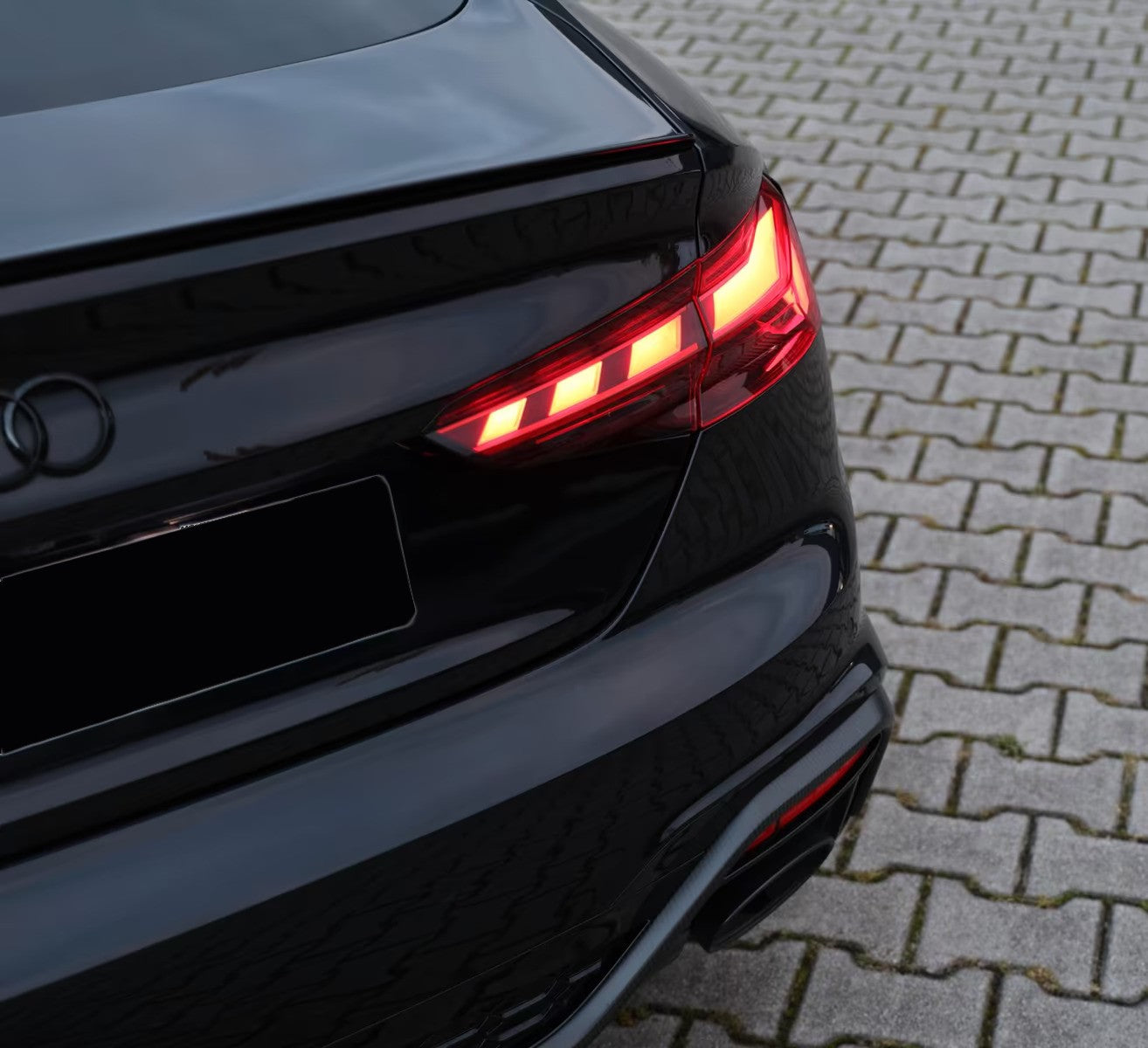


The Audi A4 B9 is one of the most refined and technologically advanced compact executive sedans on the market. Launched in 2016 as the fifth generation of the iconic A4 nameplate, the B9 generation brought a sharper design, a lighter MLB Evo platform, and a completely updated lineup of turbocharged engines. It competes directly with the BMW 3 Series and Mercedes-Benz C-Class, and has consistently been one of the best-selling Audi models in the United States.
Whether you are considering a new purchase or shopping for a used example, understanding the Audi A4 B9 reliability record is essential. The B9 is a sophisticated machine that rewards attentive ownership — but it also carries a handful of known weaknesses that can turn into costly repairs if ignored.
This guide covers everything: engine-specific issues, common failure points, maintenance intervals, and the smartest way to evaluate a used B9 before handing over your money. If you are comparing it to an earlier generation, the Audi A4 B8 Reliability Guide is also worth a read.
Parts & Accessories
Your Audi A4 B9 deserves better.
Hand-picked performance and replacement parts — ready to ship.
Shop Audi A4 B9 parts →History and Versions
The Audi A4 B9 entered production in 2016 and received a significant facelift in 2019, adding revised styling, updated infotainment, and mild-hybrid technology on select variants. It is built on the Volkswagen Group MLB Evo platform, shared with the Audi A5, Q5, and Volkswagen Passat B8.
In the US market, the A4 was offered primarily with the 2.0 TFSI (EA888 Gen 3) petrol engine, while European markets also received a broader diesel selection. The Allroad variant and the high-performance RS4 round out the lineup globally.
| Engine | Displacement | Power | Torque | 0-60 mph | Notes |
|---|---|---|---|---|---|
| 2.0 TFSI (EA888 Gen 3) | 2.0L I4 Turbo | 190 hp | 236 lb-ft | 7.1 sec | Main US market engine |
| 2.0 TFSI (EA888 Gen 3B) | 2.0L I4 Turbo | 252 hp | 273 lb-ft | 5.6 sec | S-Line / higher trim |
| 35 TDI (EA288) | 2.0L I4 Diesel | 150 hp | 266 lb-ft | 8.8 sec | Europe only |
| 40 TDI (EA288) | 2.0L I4 Diesel | 190 hp | 295 lb-ft | 7.3 sec | Europe only |
| 3.0 TDI (EA897) | 3.0L V6 Diesel | 218–272 hp | 406–442 lb-ft | 5.1 sec | Europe — S4/A4 diesel |
| 2.9 TFSI (EA839) | 2.9L V6 Bi-Turbo | 450 hp | 443 lb-ft | 3.9 sec | RS4 Avant only |
How to Check a Used Audi A4 B9's History
Before buying a used Audi A4 B9, it is essential to ensure full transparency about its past. Undisclosed accidents can hide poor-quality repairs that directly compromise the safety of the driver and passengers.
The A4 B9's advanced driver assistance systems — including lane departure warning, adaptive cruise control, and pre-sense front — rely on precisely calibrated sensors and structural integrity. A previous collision may have left behind misaligned bodywork, unreplaced airbags, or hastily repaired suspension components such as control arms and subframe mounts. Because the B9 uses a lightweight aluminum-intensive structure, even moderate impact damage can be difficult to detect visually but still affect handling and crash performance. It is therefore strongly recommended to check the vehicle's complete history using its license plate or VIN number before making any purchase decision.
Get an instant 20% discount to access a vehicle's full past with total transparency via carVertical by clicking this link or on the banner below:

Key Strengths
The Audi A4 B9 offers a compelling package for used car buyers looking for a premium compact executive sedan.
The MLB Evo platform delivers excellent structural rigidity and a noticeably more dynamic driving feel compared to its B8 predecessor. The cabin quality is outstanding, with high-grade materials and a well-designed MMI infotainment system that holds up well over time.
The EA888 Gen 3 engine found in US-market cars is a proven, well-developed unit with strong tuning potential and reasonably accessible service intervals. The Quattro all-wheel drive system, available across most trims, adds year-round confidence and remains durable with proper maintenance.
Fuel economy is competitive for the class, especially on highway runs, and the 2019 facelift models with mild-hybrid assistance (available in Europe) improve efficiency further. Safety ratings are strong, and the broad availability of OEM and aftermarket parts in the US makes the B9 a practical long-term ownership proposition.
Known Reliability Issues
2.0 TFSI — EA888 Gen 3 / Gen 3B
The EA888 Gen 3 is the backbone of the B9 lineup in North America. It is generally reliable but carries a few known weaknesses worth monitoring closely.
Oil consumption can appear. Some units consume oil between service intervals, particularly before 60,000 miles. This is linked to piston ring wear and can progress if ignored. Check the dipstick regularly and top up as needed.
Water pump failure is a recurring issue on the EA888 family. The plastic impeller can degrade over time, leading to overheating. Typical failure window: 60,000–90,000 miles. Severity: Critical if not caught in time.
Carbon buildup on intake valves occurs because the direct injection system does not wash the valves with fuel. Symptoms include rough idle and reduced power, typically after 50,000–70,000 miles. A walnut blasting service resolves this. Severity: Moderate.
For a deeper dive into this engine family, the Audi EA888 Engine Guide covers all known issues and tuning potential in detail.
High-pressure fuel pump (HPFP) failure has been documented on some B9 units. Symptoms include hesitation, misfires, and difficulty starting. Severity: Moderate. Typically appears between 40,000–80,000 miles.
2.0 TDI — EA288
The EA288 diesel is the most common engine in European B9 models. It is a refined, economical unit but not without its own set of known concerns. For a comprehensive breakdown of this engine's strengths and weaknesses, refer to the Audi EA288 Engine Guide.
EGR valve fouling is the most common diesel-specific complaint. Carbon deposits build up in the EGR system over time, causing rough running, power loss, and increased emissions. Severity: Moderate. Typically develops after 60,000–80,000 miles, especially on vehicles used mainly for short trips.
DPF (Diesel Particulate Filter) clogging is a related issue on urban-use vehicles. Frequent short journeys prevent proper DPF regeneration, leading to blockage and limp mode. Severity: Moderate. Prevention is straightforward: regular motorway driving at sustained speeds.
Thermostat and coolant system failures have been reported on higher-mileage TDI units, typically after 80,000 miles. Severity: Moderate.
3.0 TDI — EA897
The 3.0 V6 TDI is a strong, smooth unit found in higher-spec European models.
Timing chain tensioner wear has been flagged on higher-mileage examples. Severity: Critical if left unaddressed. Typically surfaces after 100,000 miles.
AdBlue system faults — including injector failure and pump malfunctions — are increasingly common as these vehicles age. Severity: Moderate. Typically appears after 70,000–90,000 miles.
Chassis Issues
The B9's suspension is generally well-engineered, but a few areas deserve attention on higher-mileage examples.
Front control arm bushings degrade over time, causing vague steering and clunking over bumps. Severity: Moderate. Typical appearance: 60,000–80,000 miles.
Rear subframe mounts can show premature wear, particularly on Quattro models. Severity: Moderate.
Adaptive damper (DCC) failures affect vehicles fitted with the optional Dynamic Chassis Control system. Faulty dampers cause poor ride quality and warning lights. Severity: Moderate. Repair cost can be significant.
Electronics and Software
The B9 is loaded with electronics, and some modules can cause frustration over time.
MMI infotainment system freezing or rebooting has been reported, usually resolved via a software update from the dealer. Severity: Minor.
Virtual Cockpit display faults — including pixel loss or flickering — have been noted on earlier production cars. Severity: Minor to Moderate depending on extent.
Parking sensor and camera failures are not uncommon after 50,000–70,000 miles, often caused by connector corrosion. Severity: Minor.
Maintenance and Servicing
The Audi A4 B9 uses variable service intervals managed by the onboard computer, typically ranging from 10,000 to 15,000 miles for oil changes. However, many independent specialists recommend adhering to a 10,000-mile oil change interval for extended engine longevity, especially for the EA888 petrol engine.
Key service intervals to follow:
- Engine oil and filter: Every 10,000 miles or annually
- Air filter: Every 20,000–30,000 miles
- Spark plugs (petrol): Every 40,000 miles
- Brake fluid: Every 2 years regardless of mileage
- Coolant: Every 4–5 years
- DSG/S tronic transmission service: Every 40,000 miles (often neglected)
Average US service costs:
- Basic oil service: $150–$250 at an independent specialist
- Timing chain inspection and tensioner replacement: $800–$1,500
- Water pump replacement: $600–$1,000
- Walnut blasting (intake valve cleaning): $400–$700
- DPF replacement (diesel): $1,500–$2,500
Always use VW Group-approved 5W-30 or 5W-40 long-life oil and genuine or OEM-quality filters to keep the EA888 running cleanly.
Parts to Watch / Replace First
Water pump — The plastic impeller is a known failure point on the EA888. Replace with an upgraded metal-impeller unit during any cooling system service.
Timing chain tensioner — On high-mileage examples, inspect this during any major service.
Thermostat — Often fails alongside the water pump. Replace both together to avoid repeat labor costs.
EGR valve (diesel) — Clean or replace at the first sign of power loss or rough idle on TDI models.
DPF (diesel) — Monitor regeneration cycles. If warning lights appear, address immediately before the filter becomes completely blocked.
Front control arm bushings — Inspect at every tire rotation. Worn bushings affect both handling and tire wear.
Spark plugs — Often overlooked on variable-interval service schedules. Replace on schedule to maintain combustion efficiency and protect the ignition coils.
Brake fluid — Hygroscopic by nature; replace every two years to maintain braking performance, especially important if the car is equipped with adaptive cruise or emergency braking systems.
FAQ
Is the Audi A4 B9 reliable?
The Audi A4 B9 is generally a reliable car when properly maintained. It scores above average for its class, though the EA888 petrol engine requires attention to oil consumption, the water pump, and the timing chain at higher mileages. With diligent servicing, most B9s are capable of exceeding 150,000 miles without major issues.
What is the best engine option for the Audi A4 B9?
For US buyers, the 2.0 TFSI (252 hp) version offers the best balance of performance and long-term reliability. Among European variants, the 40 TDI is a strong choice for high-mileage drivers seeking fuel economy. Avoid the early 190 hp petrol units if you plan heavy daily use without strict oil monitoring.
How many miles will an Audi A4 B9 last?
A well-maintained Audi A4 B9 can realistically reach 150,000 to 200,000 miles. Key factors include regular oil changes, timely timing chain inspection, and proactive cooling system maintenance. Neglecting these items is the primary cause of early engine failure on this generation.
Is the Audi A4 B9 expensive to maintain?
Maintenance costs are moderate to high compared to non-premium brands. Annual servicing at an independent Audi specialist typically costs $400–$800, but major repairs — such as timing chain replacement or adaptive damper failure — can push into the $1,000–$2,500 range. Sourcing quality OEM or aftermarket parts helps manage costs significantly.
Which model year of the Audi A4 B9 is the best to buy?
The 2019 facelift and later models are generally the safest choice. Audi addressed several early production software and minor mechanical issues by this point, and the updated MMI system is more refined. If budget allows, a low-mileage 2020 or 2021 example represents the best combination of modern technology and reduced early-owner wear.
What mileage should I avoid when buying a used Audi A4 B9?
Be cautious with any B9 approaching or exceeding 80,000 miles without documented timing chain service, water pump replacement, and transmission fluid change. These are the windows where deferred maintenance tends to catch up quickly and expensively.
Conclusion
The Audi A4 B9 earns a solid 7.5 out of 10 for overall reliability. It is a well-engineered, premium compact sedan that holds up well when maintained correctly, but it is not forgiving of neglect. The EA888 petrol engine is the one to watch most closely, while diesel variants demand attention to EGR and DPF health. Buy a properly serviced example, verify its history, and the B9 makes an excellent used purchase. Browse our parts catalog to find the quality components your A4 B9 deserves.