


Color-Coded Warning Lights: What Each Color Actually Means
Red lights: stop immediately | Amber lights: act soon | Green, blue, and white lights: systems confirmed active | Maintenance indicators: stay ahead of service intervals
Red, Amber, Green — the Universal Language of Your Dashboard
Your Honda doesn't communicate randomly. Like a traffic light, it uses a consistent color logic every driver should recognize immediately. That's the first thing to understand before anything else.
Red means stop now — a critical issue threatening your safety or engine health. Amber or yellow signals a fault that needs attention soon, but isn't immediately catastrophic. Green or blue simply confirms a system is active and functioning normally.
You'll also see white or gray indicators. These are informational — a low-priority note from the vehicle, like a frost warning on a cold morning.
Why Ignoring a Warning Light Is Always the Wrong Call
A lit warning light isn't a suggestion. It means the vehicle's management systems have detected a real problem and logged it. Choosing to ignore it is a gamble — and one that usually gets more expensive the longer you wait.
To put it in concrete terms: a failing sensor that costs $50 to replace, flagged by an amber light, can destroy a component worth several thousand dollars if left unaddressed long enough.
Why the OBD2 Scanner Is the Right First Step
A warning light tells you which system is involved — it doesn't tell you exactly what's wrong. Think of it as a zone alert, not a diagnosis.
To get the actual fault code, you need an OBD2 scanner. It queries the vehicle's ECU directly and returns specific diagnostic trouble codes (DTCs) that identify the root cause — not just the symptom.
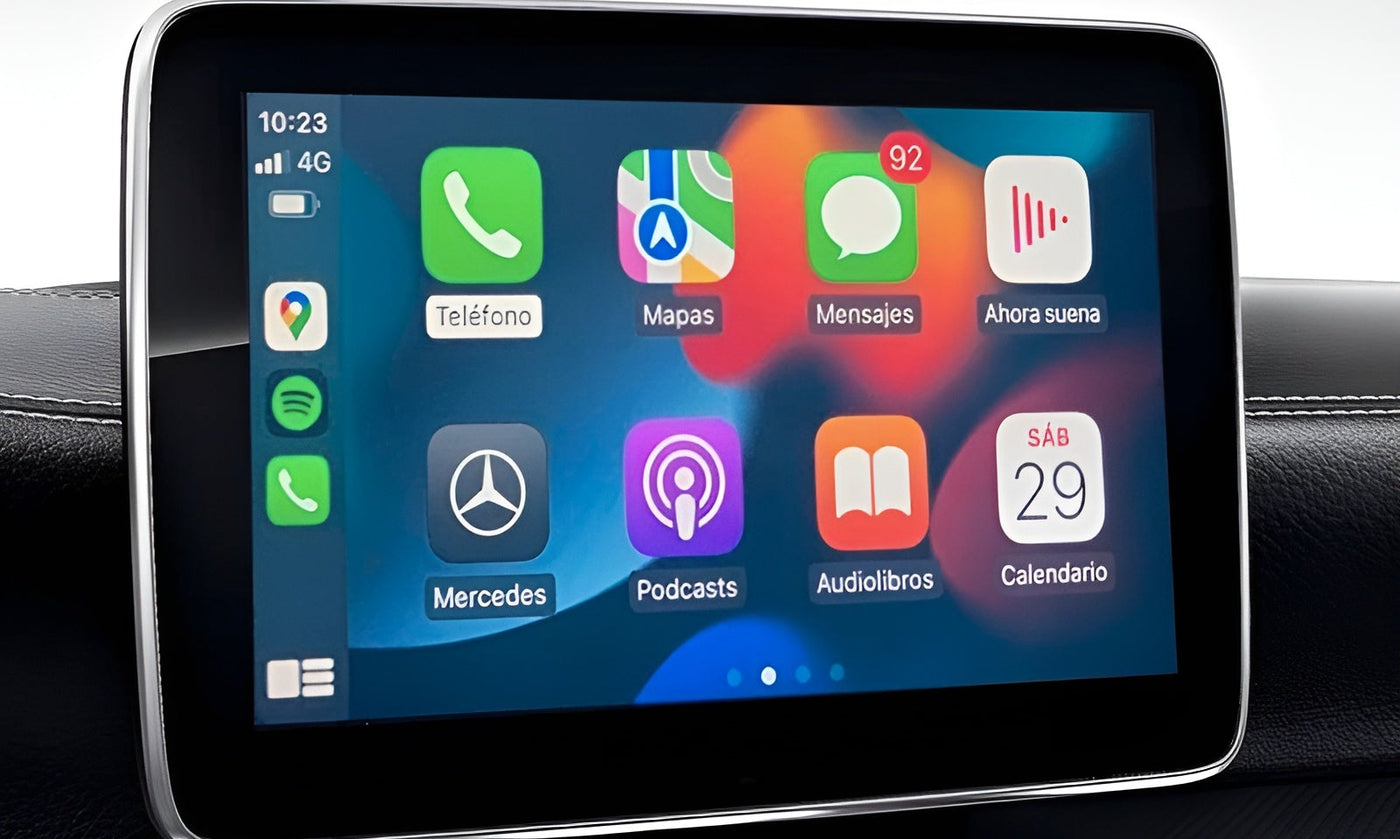
On Honda models equipped with the Honda Display Audio or Honda Connect infotainment system, some fault notifications may appear as text messages on the center screen alongside the dashboard indicator. However, these messages describe the symptom in plain language — they don't replace a proper OBD2 scan. Always pull the DTC to confirm the actual fault code before making any repair decisions.
What to Do When a Warning Light Comes On
If your check engine light is on but the car seems to drive normally, follow this sequence:
Step 1: Note the light's behavior. Is it steady or flashing? A flashing check engine light changes everything — see the section below.
Step 2: Scan before you assume. Even if the car feels fine, a quick OBD2 scan takes under a minute and tells you exactly what you're dealing with. Don't drive blind.
Step 3: Look up the code. A P0456 (small EVAP leak) isn't urgent. A P0301 (cylinder 1 misfire) is. The code determines the timeline, not the light itself.
Step 4: Fix the cause, not the symptom. The warning light is just the notification. The underlying fault is what needs to be addressed.
Step 5: Clear and verify. After the repair, clear the codes and confirm the OBD2 monitors return to "Ready" after a drive cycle. If the light stays off, the repair worked.

Check engine light on? Don't pay $150 at the dealership just to find out why.
Scan any OBD2 vehicle in under 30 seconds with the Launch X431 CR319. Compact enough for your glove box, powerful enough to skip the dealer visit entirely.
→ Get the OBD2 ScannerRed Warning Lights: Stop Immediately

Oil Pressure Warning: Immediate Engine Damage Risk
The red oil can light signals a critical drop in oil pressure — the lifeblood of your engine's internal components.
Pull over immediately and shut off the engine. Do not restart, even to move the vehicle a short distance. Running an engine without adequate oil pressure can cause irreversible damage within seconds.
Honda's naturally aspirated engines — including the 1.5L turbocharged four-cylinder found in the Civic and CR-V, and the 2.0L i-VTEC in the Accord — are generally durable, but they are not immune to oil pressure failures. On higher-mileage examples of the 1.5T engine, some owners have reported oil dilution issues in cold climates, where fuel can mix with the engine oil and reduce its viscosity. If your oil pressure warning illuminates and you notice a gasoline smell from the dipstick, have the oil analyzed before returning the vehicle to service.

Engine Coolant Temperature: Overheating Warning
The thermometer-in-waves icon is unambiguous: your engine is overheating. This is not a light you drive through.
Pull over safely, turn off the engine, and wait at least 30 minutes before checking anything. Never open the coolant reservoir cap while the engine is hot — pressurized coolant can cause serious burns.
On Honda Civic and CR-V models with the 1.5T engine, the cooling system relies on proper coolant concentration and a functioning thermostat. A common failure point on aging Honda cooling systems is the radiator and its plastic end tanks, which can crack over time, causing a slow coolant leak that eventually triggers the coolant temperature warning. Inspect hose connections and the reservoir level regularly — catching a minor leak early is far less costly than addressing head gasket damage from a sustained overheat.

Brake Fluid Warning
Brake fluid service is due. This light typically appears in amber as the service interval approaches and turns red once it's overdue.

Brake Pad Wear Indicator
Your brake pads are due for replacement. This indicator appears in amber as wear limit approaches and turns red once it's exceeded. Some vehicles display whether the front or rear axle is affected.

Battery / Charging System Warning
This isn't a weak battery notification — it means the charging system has failed. Your alternator is no longer supplying power to the vehicle.
Pull over and shut off the engine. Call for a tow. Do not attempt to drive: the battery will drain until the car stops running, likely in traffic.
On Honda models with Honda Sensing — including the Accord, Civic, CR-V, and Pilot — a charging system failure may simultaneously disable driver-assistance features such as Collision Mitigation Braking and Lane Keeping Assist, as these systems depend on stable voltage to operate. The battery / charging warning on a Honda should never be treated as a deferred item. If your Honda is a hybrid model such as the CR-V Hybrid or Accord Hybrid, the 12V auxiliary battery is separate from the high-voltage traction battery — both require monitoring.

Airbag / SRS Warning
A lit airbag light means the supplemental restraint system has a fault. While it's lit, your airbags may not deploy in a collision. Have it diagnosed promptly.
Honda vehicles were among those affected by the well-documented Takata airbag inflator recall, one of the largest automotive safety recalls in US history. If you own an older Honda Civic, Accord, CR-V, or Odyssey, verify your VIN on the NHTSA recall database to confirm whether any open airbag-related recall applies to your vehicle. An illuminated SRS warning on an older Honda is especially important to address without delay.
Amber Warning Lights: Act Soon
Less urgent than red lights, amber warnings are the ones you'll encounter most often. They're early notice before a problem becomes serious.

Check Engine Light (MIL)
The most recognized — and most misunderstood — light on the dashboard. It indicates a fault in the engine management or emissions systems on your Honda. By itself, it tells you where to look, not what's wrong.
The distinction that matters most: steady vs. flashing. A steady check engine light means a stored fault — address it soon, but the car is generally safe to drive short distances. A flashing check engine light means active misfires are occurring right now. This can destroy your catalytic converter within miles. Reduce speed immediately and get to a shop.
On Honda's 1.5T four-cylinder engine, common triggers for the check engine light include issues with the EVAP system, variable valve timing (VTC actuator) faults, and oxygen sensor degradation. On the naturally aspirated 2.0L and 2.4L i-VTEC engines found in older Civics and Accords, a loose or degraded gas cap is a frequent and easily overlooked cause of an EVAP-related MIL. Always start with a scan — the DTC will narrow the field immediately.
Even if the car drives normally, don't delay. Only a scan will pull the specific fault code and prevent the situation from escalating.

Tire Pressure Warning (TPMS)
One or more tires is significantly underinflated, or there's a pressure differential between tires. This can also trigger after a tire change if the TPMS sensors weren't reset.
Honda uses a direct TPMS system with individual sensors at each wheel. After inflating your tires to the recommended pressure — found on the driver's door jamb sticker — the system typically resets automatically within a few minutes of driving. If the light remains on after correcting tire pressure, one of the sensors may have a low battery or a fault. On Honda models like the Odyssey and Pilot, TPMS sensor battery life averages 7–10 years; sensor replacement is straightforward but requires recalibration after installation.

ABS Warning
The anti-lock braking system has a fault. Standard braking still works, but ABS intervention won't be available during emergency stops. Have it diagnosed.

Stability Control / Traction Control Warning
If it flashes while driving, the system is actively intervening — that's normal. If it stays on continuously, there's a fault in the stability system that requires diagnosis.

DPF / Particulate Filter Warning (Diesel)
The diesel particulate filter is clogged. A 20–30 minute highway drive at consistent RPM may trigger automatic regeneration and clear the light. If it persists, a forced regeneration at a shop is needed.
Honda does not currently sell diesel-powered passenger vehicles in the US market. This warning light does not apply to Honda models sold domestically. If you are driving a Honda sourced from another market, consult the owner's manual specific to that region for DPF service guidance.
Service / Maintenance Due
A scheduled maintenance item is due: oil change, filter replacement, brake fluid, or another routine service item. Honda uses the Maintenance Minder system to track service intervals — a letter code displayed alongside the wrench icon tells you exactly which service is required (e.g., "A" for oil change, "B" for oil change plus inspection). Check your owner's manual or the instrument cluster message for the specific code before scheduling service.
Safety and Driver Assistance Warning Lights
| Light | Meaning | What to do |
|---|---|---|
| ABS (letters in a circle) | Anti-lock braking system fault | Standard braking still works. Get it diagnosed. |
| Triangle with ! | Stability/traction control fault or manually disabled | Drive conservatively, especially in wet conditions. |
| Flat tire with ! | Low tire pressure | Inflate to spec. If light returns, check for a slow leak. |
| Bulb with ! | Exterior bulb failure | Identify and replace (headlight, turn signal, brake light). |
| Steering wheel with ! | Electric power steering fault | Steering may become heavy. Diagnosis required. |
| Airbag | SRS/airbag system fault | Airbags may not deploy. Immediate diagnosis recommended. |
Green, Blue, and White Lights: Confirmation, Not Warning
These indicators simply confirm a system is active. Your Honda is keeping you informed, not alerting you to a problem.
Common status indicators
Turn signal arrows, headlight-on confirmation, cruise control active, high-beam indicator (blue). The blue high-beam light is worth paying attention to — remember to switch to low beams when oncoming traffic is present.
On Honda Civic, Accord, and CR-V models equipped with Honda Sensing, you may also see green indicator icons for Adaptive Cruise Control, Lane Keeping Assist, and Traffic Sign Recognition. These confirm the systems are engaged and functioning — no action is required. On Honda hybrid models such as the Accord Hybrid and CR-V Hybrid, a green "READY" indicator confirms the hybrid powertrain is active and the vehicle is prepared to move. This light replaces the traditional engine-running confirmation since the combustion engine may not be running at startup.

Glow Plug Pre-Heat Indicator — Honda Diesel Models
Honda does not sell diesel-powered passenger vehicles in the US market, so the glow plug pre-heat indicator is not applicable to domestically sold Honda models. This indicator may appear on Honda vehicles originally sold in European or other markets where diesel variants of the Accord or CR-V were offered. If you are operating one of these vehicles in the US, wait for the glow plug light to extinguish before cranking the engine — especially in cold weather — to ensure proper combustion and avoid hard starts.
Maintenance Intervals: Getting Ahead of Service Warnings
Understanding Honda Service Schedules
Honda uses an oil life monitoring system called Maintenance Minder, which calculates service intervals based on actual driving conditions rather than fixed mileage increments. The system displays a percentage indicating remaining oil life, along with a letter-and-number code that specifies which services are due. Code "A" indicates an oil change; code "B" adds a tire rotation and multi-point inspection. Sub-codes (1 through 6) flag additional items such as air filter, spark plugs, brake fluid, or transmission fluid. Honda recommends 0W-20 full synthetic oil for most current models, including the Civic, Accord, CR-V, and HR-V. Under typical driving conditions, oil change intervals generally fall between 5,000 and 10,000 miles depending on how the vehicle is used.
Common maintenance reminders
These lights aren't fault warnings — they're scheduled reminders to plan a shop visit.
Engine oil life: oil can icon with a mileage or date countdown. Filter replacement: air filter, cabin filter. Brake fluid: recommended every two years regardless of mileage. General inspection: per the Honda Maintenance Minder schedule.
Should You Rely Solely on Warning Lights?
Warning lights are a useful tool, but they're not a substitute for paying attention while driving. A Honda communicates through sound and feel as much as through the dashboard.
Honda's electrical architecture is generally reliable, but there are known patterns worth being aware of. Some owners of the 10th-generation Civic (2016–2021) with the 1.5T engine have reported intermittent warning light behavior tied to oil dilution in cold climates — if multiple amber lights appear together shortly after cold-weather startup, the oil condition is worth checking before assuming an electrical fault. On older Odyssey minivans and Ridgeline trucks, aging VCM (Variable Cylinder Management) systems can occasionally produce spurious fault codes. In all cases, an OBD2 scan is the fastest way to separate a real fault from a transient sensor read. Relying on the light alone — without pulling the DTC — leaves too much guesswork on the table.
FAQ
Can I drive my Honda with the check engine light on?
If the light is steady, the vehicle can generally continue operating, though the engine may enter a reduced-power mode. This typically signals an emissions or engine management fault that needs to be addressed soon. If the light is flashing, stop driving as quickly as it's safe to do so — active misfires can destroy the catalytic converter in a short distance.
What does the Honda Maintenance Minder "B1" or "B2" code mean?
Honda's Maintenance Minder system uses a combination of letter codes and number sub-codes to specify exactly what service is due. A "B" code means an oil and filter change plus a mechanical inspection are required. The number following it adds a specific item: "1" means tire rotation, "2" means air filter and cabin filter replacement, "3" means transmission fluid, and "4" means spark plugs and additional inspection items. When multiple services are due simultaneously, the display will show them together — for example, "B12" means oil change, inspection, tire rotation, and both filters. Always address the full combination rather than just one item to reset the system correctly.
Why does my Honda CR-V or Civic smell like gas from the oil dipstick?
This is a documented issue on Honda's 1.5T turbocharged engine in certain Civic and CR-V model years, particularly in cold climates. When the engine is frequently operated on short trips before reaching full operating temperature, unburned fuel can accumulate in the crankcase and mix with the engine oil — a condition known as oil dilution. The oil level may actually appear higher than normal on the dipstick, and a noticeable gasoline odor will be present. Honda issued a software update to adjust fuel injection and warm-up calibrations, which reduces the frequency of the problem. If you notice this condition, change the oil promptly, have the software update applied if it hasn't been, and try to include longer highway drives in your routine to allow the engine to fully heat-cycle.
How does scheduled maintenance work on newer Honda models?
Newer Honda models — including the current Civic, Accord, CR-V, Pilot, and Odyssey — use the Maintenance Minder system rather than fixed-mileage service stickers. The system monitors engine operating conditions in real time and calculates when service is actually needed, displaying a remaining oil life percentage on the instrument cluster. When the oil life reaches 15%, the wrench icon illuminates as an early reminder. At 5% or below, the reminder becomes more persistent. The specific service code displayed alongside the wrench icon tells you — and your service advisor — exactly which items are due, preventing unnecessary services and ensuring nothing is overlooked. Honda recommends not waiting until the oil life reaches 0% before scheduling service.