

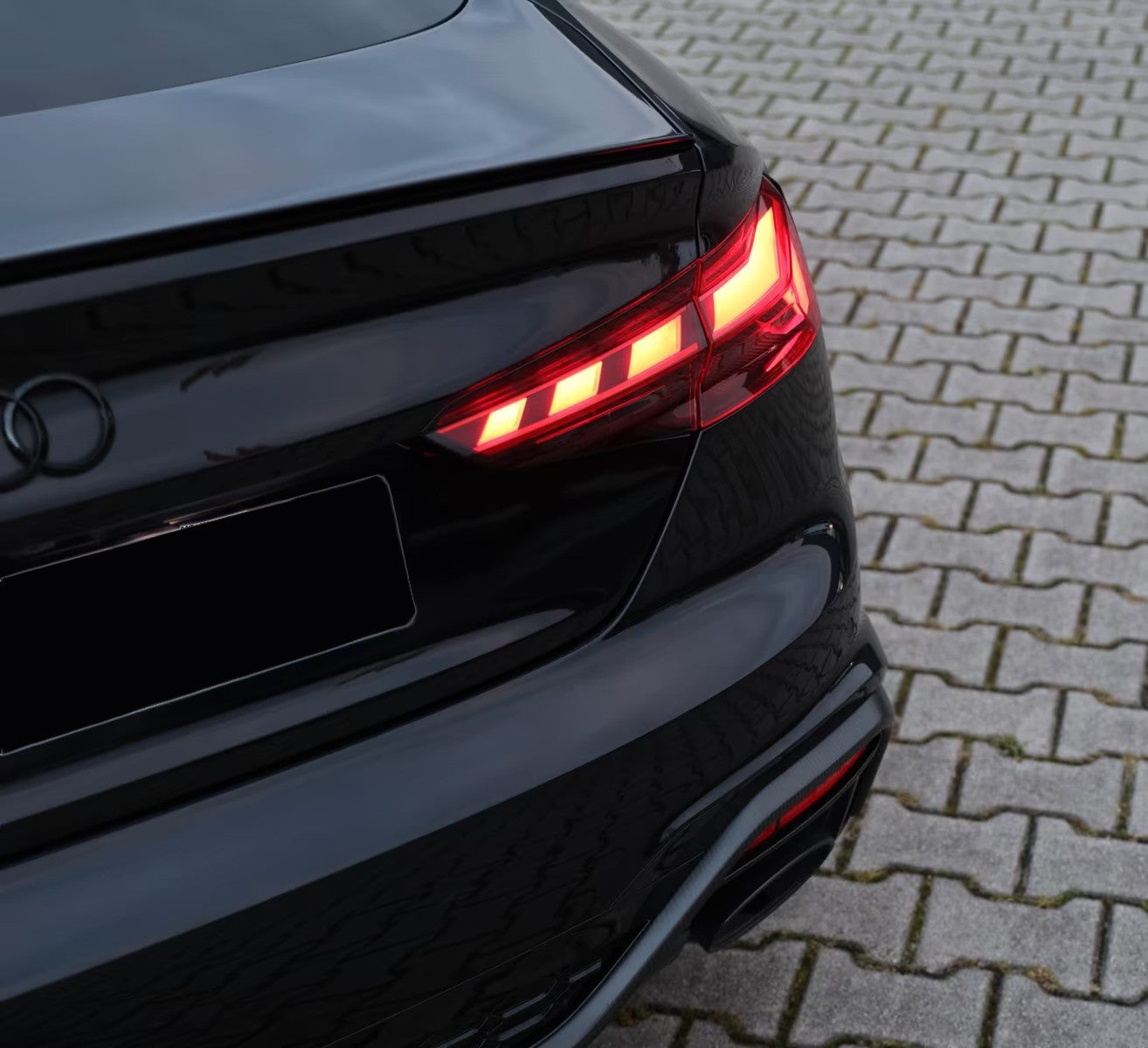


The Audi A4 B8 is one of the most recognizable executive sedans on the used car market in the United States. Produced from 2008 to 2016, this generation brought a completely redesigned platform, a broader engine lineup, and a significantly more refined interior compared to its predecessor. Whether you are considering the sporty 2.0T quattro, a fuel-conscious diesel variant, or the potent 3.0T supercharged V6, the B8 offers a compelling mix of performance, comfort, and technology at an accessible used price.
For buyers looking at the A4 B8 today, the key questions revolve around long-term reliability, maintenance costs, and which variants to prioritize. The B8 generation sits in a sweet spot: modern enough to feel current, old enough to have shed most of its original depreciation. However, some engine-specific issues and electronic gremlins require careful attention before signing any paperwork.
This guide covers everything you need to know — from known mechanical problems and mileage thresholds to servicing costs and the best versions to target — so you can buy with confidence.
Parts & Accessories
Your Audi A4 B8 deserves better.
Hand-picked performance and replacement parts — ready to ship.
Shop Audi A4 B8 parts →History and Versions
The Audi A4 B8 debuted at the 2007 Frankfurt Motor Show and entered production in 2008. It was built on the Volkswagen Group MLB platform — a significant departure from the previous B7's PQ46 platform — enabling better weight distribution and improved handling dynamics.
A mid-cycle refresh arrived in 2012 (often referred to as the B8.5), bringing revised front and rear styling, updated MMI infotainment, and minor mechanical improvements. The B8 was available in sedan (A4), wagon (A4 Avant), and high-performance (S4, RS4) body styles. Production concluded in 2016, when the B9 generation took over.
For the US market, the lineup was notably simplified compared to Europe, with the 2.0T and 3.0T petrol engines being the primary offerings.
| Engine | Displacement | Power | Torque | 0-60 mph | Notes |
|---|---|---|---|---|---|
| 2.0 TFSI (EA888 Gen1/2) | 2.0L Turbo I4 | 211 hp | 258 lb-ft | 6.1 sec | Main US market engine; quattro available |
| 3.0 TFSI (EA837) | 3.0L Supercharged V6 | 272 hp | 295 lb-ft | 5.4 sec | Supercharged; S4 uses 333 hp version |
| S4 — 3.0 TFSI | 3.0L Supercharged V6 | 333 hp | 325 lb-ft | 4.9 sec | US-spec S4; supercharger belt wear noted |
| 2.0 TDI (EA189) | 2.0L Turbo Diesel I4 | 136–177 hp | 236–295 lb-ft | 7.5–9.5 sec | Europe/export; affected by Dieselgate |
| 3.0 TDI (EA897) | 3.0L Turbo Diesel V6 | 204–245 hp | 369–406 lb-ft | 6.0–6.5 sec | Europe/export; strong torque output |
| RS4 — 4.2 FSI (EA824) | 4.2L NA V8 | 450 hp | 317 lb-ft | 4.5 sec | B8.5 only; Europe/export; high-revving |
How to Check a Used Audi A4 B8's History
Before buying a used Audi A4 B8, it is essential to ensure full transparency about its past. Undisclosed accidents can hide poor-quality repairs that directly compromise the safety of the driver and passengers.
On the A4 B8 specifically, risks invisible to the naked eye include misaligned front subframe components following a front-end impact, unreplaced side curtain airbags after a minor collision, and hastily repaired suspension control arms that may appear intact but are structurally compromised. Given the B8's complex quattro all-wheel-drive system, hidden drivetrain damage from an off-road incident or hard curb strike can also go undetected without a thorough history check. It is therefore strongly recommended to check the vehicle's complete history using its license plate or VIN number before making any purchase decision.
Get an instant 20% discount to access a vehicle's full past with total transparency via carVertical by clicking this link or on the banner below:

Key Strengths
The Audi A4 B8 offers a genuinely premium ownership experience at a price point that has become very accessible in the used market. Its refined cabin quality, Audi's well-regarded quattro all-wheel-drive system, and a wide choice of body styles give it broad appeal.
The 2.0 TFSI engine in later EA888 Gen2 form (post-2012 B8.5) addressed many of the oil consumption issues found in early units, making it a more dependable long-term proposition. The 3.0 TFSI supercharged V6 is widely praised for its smooth power delivery and relative mechanical simplicity compared to twin-turbocharged alternatives.
The B8 also benefits from a well-developed parts ecosystem: because millions were sold globally, replacement components are widely available and competitively priced. Independent specialist shops are thoroughly familiar with this generation, keeping labor costs reasonable.
Build quality is above average for the class, and the MLB platform provides a solid, rattle-free foundation even at higher mileages. Properly maintained examples regularly exceed 150,000 miles without major mechanical failure.
Known Reliability Issues
2.0 TFSI — EA888 Gen1 (2008–2012)
Excessive oil consumption is the most frequently reported issue on early B8 models. The piston rings on Gen1 EA888 units were prone to carbon buildup and early wear, causing some engines to consume 1 quart of oil per 1,000 miles or more. Severity: Critical. Typically appears between 40,000 and 80,000 miles.
Carbon buildup on intake valves is a known consequence of direct injection technology on this engine. Symptoms include rough idle, misfires, and reduced throttle response. Severity: Moderate. Typically appears around 50,000–70,000 miles. Walnut blasting of the intake valves is the recommended fix.
Timing chain tensioner wear has been reported on higher-mileage Gen1 units. A rattling noise on cold start is the primary warning sign. Severity: Critical if ignored. Typically appears after 80,000–100,000 miles.
PCV (positive crankcase ventilation) system failure leads to oil leaks and rough running. The diaphragm inside the PCV valve deteriorates over time. Severity: Moderate. Typically surfaces between 60,000 and 90,000 miles.
For a deeper look at this engine family, see our Audi EA888 Engine Guide: Reliability, Common Problems & Tuning Potential.
2.0 TFSI — EA888 Gen2 (2012–2016, B8.5)
The Gen2 unit addressed oil consumption through revised piston ring design and improved tolerances, making it considerably more reliable. However, some issues remain.
Coolant system leaks from the water pump and thermostat housing are common. The plastic housing degrades with heat cycles and age. Severity: Moderate. Typically appears around 70,000–100,000 miles.
Intake valve carbon buildup persists on the Gen2, though at a slower rate than the Gen1. Regular use of direct fuel injection cleaner additives can slow progression. Severity: Minor to Moderate.
3.0 TFSI — EA837 (A4, A5, S4)
The supercharged V6 is generally considered one of the more robust engines in the B8 lineup, but it is not without its concerns.
Supercharger coupler wear is the most well-known issue. The plastic coupler between the supercharger and the drive system can crack or shatter, causing a sudden loss of power. Severity: Critical. Typically occurs between 60,000 and 100,000 miles. An upgraded aluminum coupler is the definitive fix.
Oil leaks from the rear main seal and valve cover gaskets are common on higher-mileage examples. Severity: Moderate. Typically appears after 80,000 miles.
Carbon buildup affects the 3.0 TFSI as well, though to a lesser degree than the 2.0 TFSI. Severity: Minor to Moderate. Periodic walnut blasting is recommended preventively.
Thermostat + water pump failure is extremely common and near “expected service item” at ~80–120k miles.
For more detail on this engine, visit our Audi EA837 Engine Guide: Reliability, Common Problems & Tuning Potential.
2.0 TDI — EA189 (European/Export Markets)
The EA189 diesel became widely known due to the Dieselgate emissions scandal, but mechanically it is a capable engine. Post-recall software updates can affect performance and fuel economy.
EGR (exhaust gas recirculation) valve clogging is the most common mechanical fault. Symptoms include rough idle, black smoke, and reduced power. Severity: Moderate. Typically appears between 80,000 and 120,000 miles.
DPF (diesel particulate filter) blockage occurs frequently on vehicles used primarily for short city trips. Severity: Moderate. Forced regeneration cycles or filter replacement are required.
Dual-mass flywheel (DMF) wear on manual transmission-equipped cars is notable, with shuddering on take-off being the primary symptom. Severity: Moderate to Critical. Typically appears after 100,000 miles.
For full details, see our Audi EA189 Engine Guide: Reliability, Common Problems & Tuning Potential.
Chassis Issues
Front control arm bushings wear prematurely, causing vague steering feel and light clunking over rough roads. Severity: Moderate. Typically appears between 60,000 and 90,000 miles. This is a known wear item on the MLB platform.
Rear subframe bushings can also deteriorate, especially on quattro models subjected to hard driving. Severity: Moderate. Replacement in pairs is strongly recommended.
Front wheel bearings are a known wear item, particularly on quattro-equipped B8s. A humming noise that changes with steering input is the classic symptom. Severity: Moderate. Typically appears around 80,000–120,000 miles.
Electronics and Software
MMI (Multi Media Interface) system failures are common, ranging from frozen screens and unresponsive controls to complete unit failure. Severity: Minor to Moderate. Refurbished units are widely available.
Instrument cluster pixel failure can cause partial or full loss of display on the gauge cluster. Severity: Minor. Cluster ribbon cable replacement is a known DIY fix.
Various sensor failures — including MAP sensors, boost pressure sensors, and O2 sensors — are common on higher-mileage examples. These rarely cause serious damage but trigger warning lights and can affect fuel economy.
Maintenance and Servicing
The Audi A4 B8 follows Audi's variable service interval system, which can push oil change intervals to 10,000 miles under ideal conditions. However, many specialists recommend 5,000 to 7,500-mile oil change intervals for the 2.0 TFSI to reduce carbon buildup and protect the engine long-term.
Key service intervals to observe:
- Engine oil and filter: every 5,000–7,500 miles (full synthetic, 5W-30 or 5W-40 per spec)
- Spark plugs: every 30,000–40,000 miles (do not extend on high-output engines)
- Timing belt/chain inspection: every 60,000 miles; replace the chain tensioner if wear is found
- Brake fluid: every 2 years, regardless of mileage
- Transmission fluid (DSG/S tronic): every 40,000 miles — Audi officially labels this "lifetime fill," but specialists strongly disagree
- Quattro rear differential fluid: every 40,000 miles
Typical annual maintenance cost for a well-maintained B8 runs between $800 and $1,500 depending on the engine and region. Major services involving timing components or supercharger work can push costs to $2,000–$3,500.
Parts to Watch / Replace First
PCV valve — The crankcase ventilation diaphragm deteriorates with age and heat. Replacing it proactively prevents oil leaks and rough idle, especially on early EA888 Gen1 units.
Supercharger coupler (3.0 TFSI only) — The factory plastic coupler is a known failure point. Replacing it with an upgraded aluminum version eliminates the risk of sudden power loss.
Front control arm bushings — These wear faster than expected on the MLB platform. Fresh bushings restore steering precision and reduce front-end noise significantly.
Thermostat and water pump — Both are prone to failure on EA888 engines after 70,000 miles. Replacing them together saves labor costs and prevents unexpected overheating.
Spark plugs — Often neglected past their recommended interval, worn plugs accelerate carbon buildup and increase stress on the ignition coils.
Intake valve cleaning kit (walnut blast media) — Not a part per se, but budgeting for a professional walnut blasting service every 50,000–60,000 miles is essential on all direct-injection 2.0 TFSI and 3.0 TFSI engines.
DSG/S tronic fluid and filter kit — Worn transmission fluid causes harsh shifts and accelerates clutch pack wear. Fresh fluid at 40,000-mile intervals is one of the best value preventive services on the B8.
FAQ
Is the Audi A4 B8 reliable?
The A4 B8 is considered reasonably reliable for its class when properly maintained. The B8.5 (2012–2016) with the revised EA888 Gen2 engine is the more dependable choice. Like most German vehicles, reliability is closely tied to maintenance history — a neglected B8 can become expensive quickly, while a well-serviced example is genuinely durable.
What is the best engine option on the Audi A4 B8?
For the US market, the 3.0 TFSI supercharged V6 is widely considered the more robust choice once the supercharger coupler has been upgraded. The 2.0 TFSI Gen2 (B8.5) is a solid option for buyers prioritizing fuel economy and lower running costs. Avoid early Gen1 2.0 TFSI units with unknown oil consumption history.
How many miles will an Audi A4 B8 last?
A well-maintained A4 B8 can realistically reach 150,000 to 200,000 miles. The key variables are oil change frequency, timing chain condition on the 2.0 TFSI, and supercharger coupler status on the 3.0 TFSI. Regular fluid changes on the DSG transmission are equally critical to longevity.
Is the Audi A4 B8 expensive to maintain?
Compared to a BMW 3 Series or Mercedes-Benz C-Class of the same era, the A4 B8 sits in a similar cost bracket. Routine maintenance runs $800–$1,500 per year. Major repairs — such as timing chain service, PCV system replacement, or carbon cleaning — can add another $1,000–$2,500 every few years. Using a trusted independent Audi specialist rather than the dealer significantly reduces costs.
Which model year of the A4 B8 should I buy?
Target a 2013–2016 B8.5 model if possible. The mid-cycle refresh brought improved MMI software, revised suspension tuning, and — most importantly — the updated EA888 Gen2 engine with reduced oil consumption. Pre-2012 examples require more thorough pre-purchase inspection and should be priced accordingly.
What are the most common problems with the Audi A4 B8?
The most frequently reported issues are intake valve carbon buildup and oil consumption on early 2.0 TFSI engines, supercharger coupler failure on the 3.0 TFSI, front control arm bushing wear, and MMI system glitches. None of these are insurmountable, but they should be factored into your purchase negotiation and ownership budget.
Conclusion
The Audi A4 B8 earns a solid 7 out of 10 for overall reliability in the used market. It is a genuinely rewarding vehicle to own when bought carefully and maintained properly. The B8.5 generation with the EA888 Gen2 or 3.0 TFSI supercharged engine represents the best value proposition, combining performance, refinement, and reasonable running costs.
Browse our catalog for quality replacement and performance parts for the Audi A4 B8 — from control arm bushings and PCV valves to supercharger couplers and timing components — and keep your B8 running at its best.