

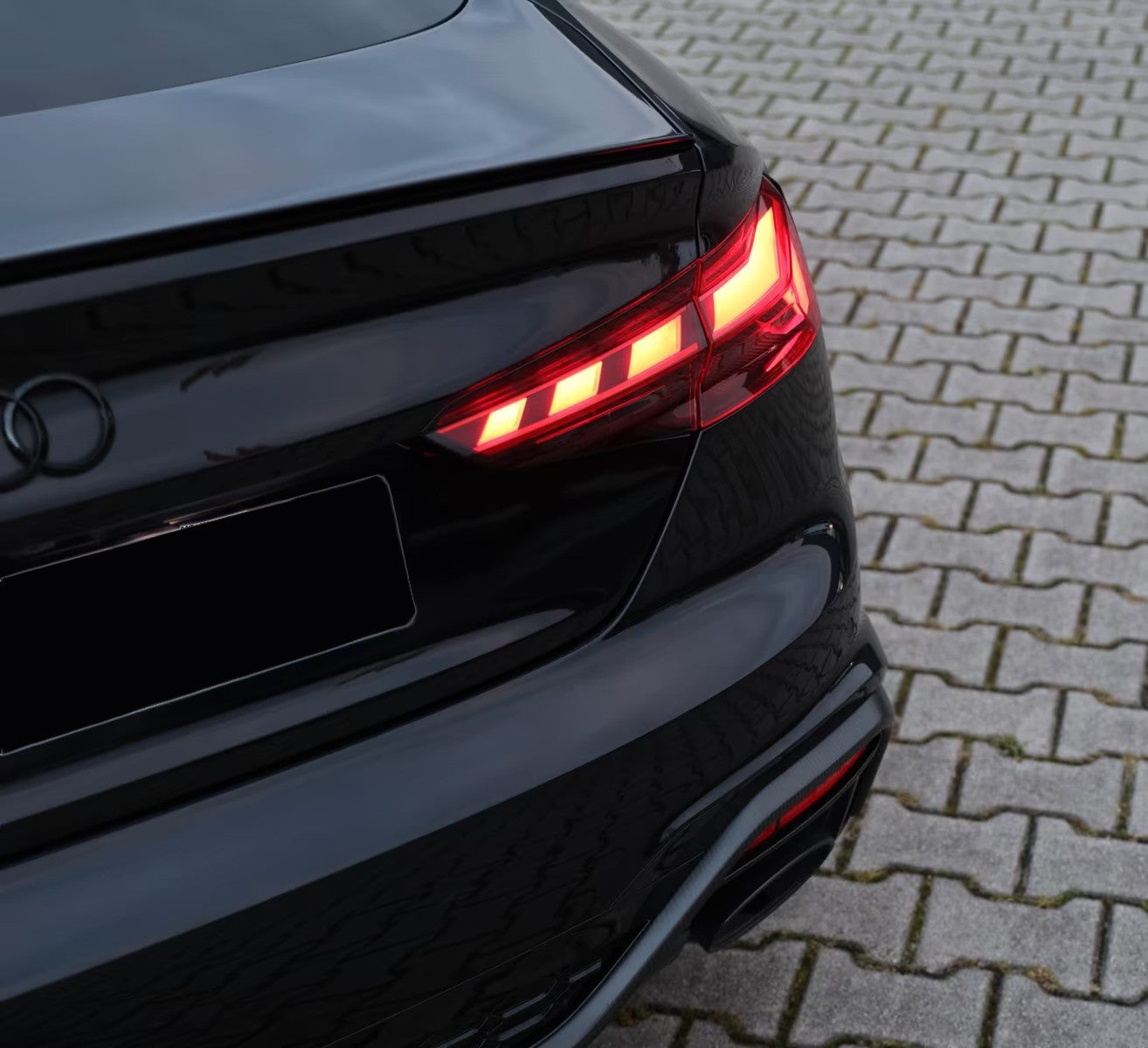
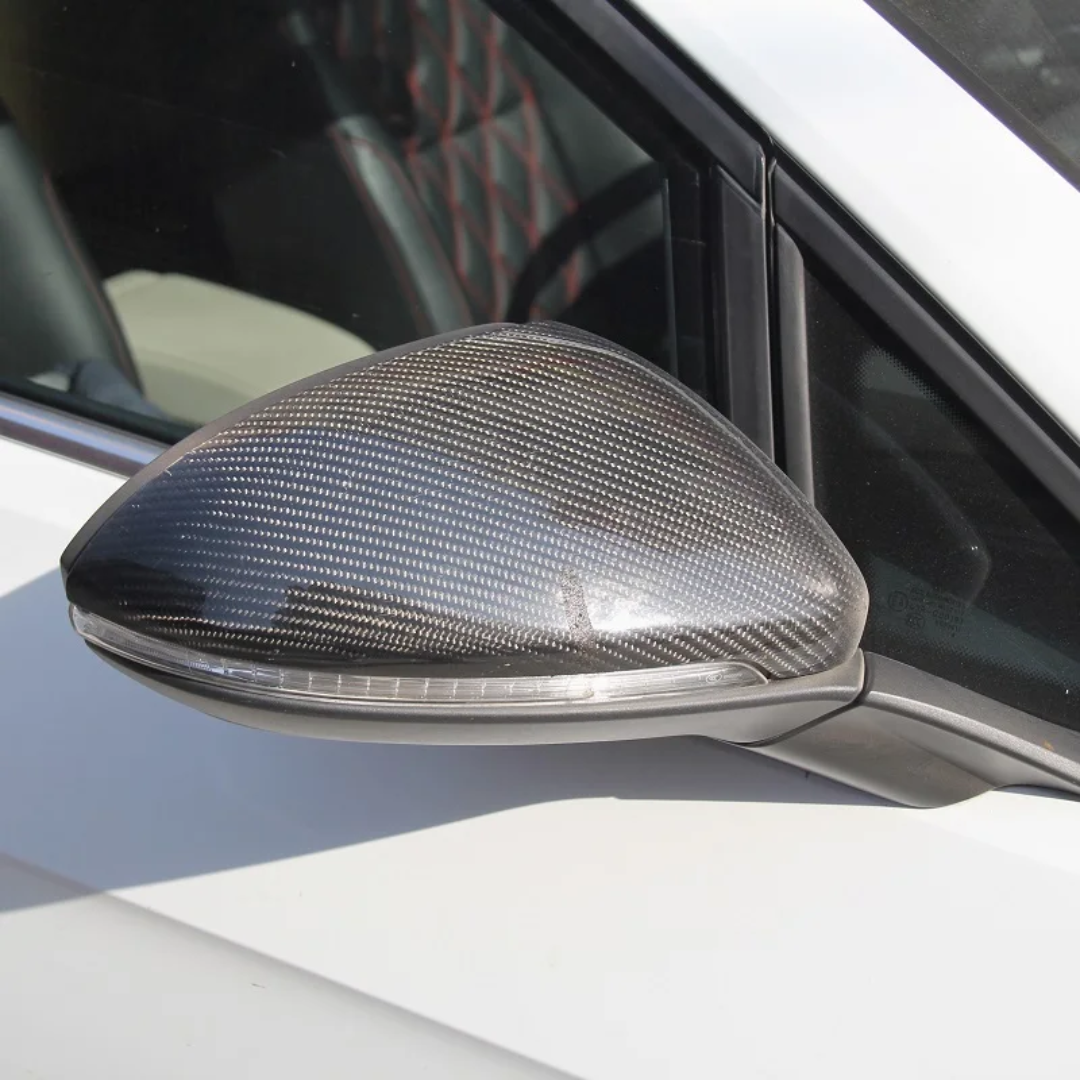


The BMW M6 F13 is one of the most compelling grand tourers BMW has ever produced. Built on the F12/F13 6 Series platform and powered by the legendary S63 twin-turbocharged V8 engine, the M6 Coupé blends supercar performance with long-distance refinement in a way few rivals can match. Produced between 2012 and 2018, it positioned itself squarely against the Audi RS7, Mercedes-Benz E63 AMG, and Porsche Panamera — yet carved out its own identity as a driver-focused, high-output luxury coupé.
With 560 horsepower on tap, rear-wheel drive as standard, and an optional Competition Package pushing the experience further, the M6 F13 has aged into a surprisingly accessible used buy. Prices have dropped significantly, making it tempting for enthusiasts and daily drivers alike. But this is a complex, high-performance machine, and buying the wrong example can mean very expensive repairs. This guide covers everything you need to know about the BMW M6 F13's reliability, known issues, and maintenance costs before committing to a purchase.
Parts & Accessories
Your BMW M6 F13 deserves better.
Hand-picked performance and replacement parts — ready to ship.
Shop BMW M6 F13 parts →History and Versions
The BMW M6 F13 debuted at the 2012 Geneva Motor Show and went on sale in the United States shortly after. It replaced the V10-powered E63 M6 and represented a major shift in BMW M's philosophy — moving from high-revving naturally aspirated engines to forced induction for greater torque and efficiency without sacrificing outright power.
The F13 body style is the two-door Coupé. It shares its platform and powertrain with the BMW 6 Series (F12/F13) and also with the BMW M5 F10, which uses the same S63TU engine in a slightly different state of tune. A mild facelift arrived in 2015, bringing updated iDrive software, revised exterior details, and the standard fitment of several previously optional features. The Competition Package (available from 2014 onward) added 10 additional horsepower and suspension upgrades.
| Engine | Displacement | Power | Torque | 0-60 mph | Notes |
|---|---|---|---|---|---|
| S63TU (V8 Twin Turbo) | 4.4L | 560 hp | 500 lb-ft | 4.0 sec | Standard model, 2012–2018 |
| S63TU Competition | 4.4L | 575 hp | 500 lb-ft | 3.9 sec | Competition Package, 2014–2018 |
How to Check a Used BMW M6 F13's History
Before buying a used BMW M6 F13, it is essential to ensure full transparency about its past. Undisclosed accidents can hide poor-quality repairs that directly compromise the safety of the driver and passengers.
On a high-performance vehicle like the M6 F13, the risks invisible to the naked eye are especially serious. A previous track incident, for example, could result in misaligned rear subframe components, undetected damage to the carbon fiber roof (standard on Competition models), unreplaced side airbags, or improperly repaired adaptive M suspension components. Any of these issues can affect handling balance and structural integrity at speed. It is therefore strongly recommended to check the vehicle's complete history using its license plate or VIN number before making any purchase decision.
Get an instant 20% discount to access a vehicle's full past with total transparency via carVertical by clicking this link or on the banner below:

Key Strengths
The BMW M6 F13 offers a rare combination of attributes that makes it an appealing used purchase despite its complexity.
The S63TU engine is a genuinely impressive unit when properly maintained — smooth, torque-rich, and capable of sustained high-speed running that few engines at this price point can match today. The seven-speed M DCT dual-clutch transmission is one of the best performance gearboxes BMW has ever fitted, offering lightning-fast shifts alongside a surprisingly livable automatic mode for daily driving.
The M6 F13 also features an active M differential, adaptive M suspension, and a sophisticated driving dynamics control system that allows the driver to configure steering weight, throttle response, and damper firmness independently. This level of configurability makes it genuinely versatile across different driving scenarios.
Build quality on the F13 generation is strong, and the interior — with its full leather trim, iDrive infotainment system, and heated sport seats — holds up well over time. Competition Package cars add further value with their unique suspension tuning and visual upgrades.
Known Reliability Issues
M6 F13 — S63TU (Standard and Competition)
High-pressure fuel pump (HPFP) failure The HPFP is a known weak point on the S63TU. Symptoms include rough cold starts, hesitation under hard acceleration, and fault codes related to fuel pressure. This is a critical issue that typically appears between 40,000 and 80,000 miles and requires prompt replacement to avoid injector damage.
Rod bearing wear Like many high-output BMW M engines of this era — including the S65 and S85 — the S63TU is sensitive to rod bearing condition. Insufficient oil changes, extended intervals, or track use accelerates wear. Symptoms include a metallic rattling at startup that fades with oil pressure. Severity: Critical. Typically appears from 60,000 miles onward, earlier with aggressive driving. Rod bearing inspection and replacement is strongly recommended on any used example above 50,000 miles.
Oil leaks from valve cover gaskets and oil filter housing The valve cover gaskets and oil filter housing gasket are common sources of leaks on the S63TU. Symptoms are oil smell from the engine bay and visible residue on the block. Severity: Moderate. Usually appears between 50,000 and 90,000 miles.
Charge pipe and boost hose failures The plastic charge pipes connecting the turbos to the intercoolers are prone to cracking under sustained boost pressure. This results in a noticeable loss of power and possible fault codes for boost pressure deviation. Severity: Moderate. Typically seen from 40,000 miles onward.
Turbocharger oil feed line issues The banjo bolts and oil feed lines to the turbos can develop leaks or partial blockages over time, starving the turbos of lubrication. This is a critical long-term concern that typically becomes relevant beyond 80,000 miles but can appear earlier on poorly maintained examples.
Cooling system components The thermostat, water pump, and expansion tank are known to fail on the S63TU, consistent with broader BMW V8 patterns. A failing thermostat can cause erratic temperature readings and fuel trims going out of range. Severity: Moderate. Typical mileage: 60,000 to 100,000 miles.
Chassis Issues
Control arm bushings and front wishbones The M6 F13's stiff suspension setup puts significant stress on the front control arm bushings and wishbone joints. Worn bushings cause vague steering feel and clunking over bumps. This is a moderate issue that typically appears from 50,000 to 70,000 miles, earlier on cars driven hard or used on track.
Rear subframe and differential mounts The rear subframe mounts and differential carrier bushings can deteriorate on high-mileage examples, particularly those that have been driven aggressively. Symptoms include rear-end clunking and imprecise handling. Severity: Moderate. Usually evident from 70,000 miles onward.
Electronics and Software
iDrive system and CIC/NBT module faults The iDrive controller and associated modules can develop software glitches, screen freezes, or complete failures — particularly on pre-facelift 2012–2014 cars. Updates are available via BMW dealers and can resolve many software-related faults.
SMG/DCT mechatronic unit The M DCT transmission's mechatronic unit can develop faults related to clutch engagement calibration, particularly after many heat cycles from aggressive driving. Symptoms include jerky low-speed behavior or fault codes. Severity: Moderate. A DCT fluid and filter service every 30,000 miles significantly reduces the risk.
Active Sound Design system issues The Active Sound Design speaker system, which artificially amplifies engine sound through the audio system, is a known source of electrical gremlins on some examples — largely cosmetic but occasionally triggering unrelated fault codes.
Maintenance and Servicing
The BMW M6 F13 requires attentive maintenance to remain reliable. BMW's factory Condition Based Service (CBS) intervals can stretch oil changes to 15,000 miles — this is too long for a high-output turbocharged V8. Independent specialists and most M-car owners recommend oil changes every 7,500 to 10,000 miles, using a BMW LL-01 approved 0W-40 or 10W-60 full synthetic oil.
DCT transmission fluid should be changed every 30,000 miles regardless of BMW's "lifetime fluid" claim. The differential fluid and transfer case fluid (where applicable) should follow the same interval.
Spark plugs should be inspected and replaced around 30,000 to 40,000 miles — the S63TU's high output causes faster plug wear than a standard engine. Brake fluid should be flushed every two years, especially on cars that see occasional track use.
A full annual inspection should cover the cooling system hoses and clamps, charge pipes, rod bearing condition (via oil analysis), and suspension bushings.
Typical service costs at an independent BMW specialist range from $400 to $600 for an oil service, and $800 to $1,200 for a full annual inspection including fluids. Budget $1,500 to $3,000 for a comprehensive pre-purchase service if the car's service history is unclear.
Parts to Watch / Replace First
Rod bearings — The single most important preventive replacement on any S63TU above 50,000 miles. Use BMW OEM or reputable aftermarket bearings and inspect the crankshaft journals during the process.
High-pressure fuel pump (HPFP) — Replace proactively if the car shows any hesitation or cold-start roughness. Failure can cascade to injector damage.
Valve cover gaskets — Inexpensive parts but labor-intensive on the M6. Address at the first sign of oil seepage to prevent oil reaching hot exhaust components.
Charge pipes (intercooler pipes) — Upgraded silicone versions are widely available and significantly more durable than the OEM plastic units.
Thermostat and water pump — Replace these as a pair when either shows signs of wear. The water pump on the S63TU is electric, making early failure detection harder.
Control arm bushings (front) — Poly or OEM rubber replacements dramatically restore steering precision on higher-mileage cars.
DCT transmission fluid and filter — Inexpensive insurance against a very expensive mechatronic unit replacement.
Spark plugs — Straightforward replacement that should not be deferred on a high-boost engine.
FAQ
Is the BMW M6 F13 reliable?
The M6 F13 is a reliable car when properly maintained, but it demands strict adherence to service intervals — especially oil changes. The S63TU engine has specific weak points including rod bearings and the high-pressure fuel pump that must be addressed proactively. A well-maintained example with documented service history is a solid buy; a neglected one can become extremely expensive.
What is the best version of the BMW M6 F13 to buy?
The Competition Package is the most desirable version for driving enthusiasts, offering the extra 15 horsepower, revised suspension tuning, and a more focused driving character. Post-facelift cars (2015 onward) benefit from updated software and minor refinements. In all cases, service history is more important than the specific variant.
How many miles will a BMW M6 F13 last?
A properly maintained M6 F13 can realistically reach 150,000 to 200,000 miles without major mechanical failure. The key variables are rod bearing condition, adherence to oil change intervals, and whether cooling and fuel system components have been replaced on schedule. Cars with unknown or irregular service histories are high-risk beyond 80,000 miles.
Is the BMW M6 F13 expensive to maintain?
Yes — the M6 F13 sits at the top end of BMW's maintenance cost spectrum. Annual running costs at an independent specialist typically range from $2,000 to $4,000 depending on what needs attention. Major repairs such as rod bearing replacement ($2,500 to $4,000), turbocharger work ($3,000+), or DCT mechatronic replacement ($4,000 to $7,000) can be significant. Budgeting a maintenance reserve is essential.
How does the M6 F13 compare to the M5 F10?
The M6 F13 and BMW M5 F10 share the same S63TU engine and many mechanical components. The M5 F10 offers more practicality as a four-door sedan, while the M6 F13 prioritizes style and a sportier driving position. Reliability concerns are largely identical between the two models, making the choice primarily one of body style preference.
Should I avoid high-mileage BMW M6 F13 examples?
Not necessarily — mileage alone is less important than service history on these cars. A 90,000-mile example with full documented service history, a rod bearing replacement on record, and fresh fluids is far preferable to a 40,000-mile car with no service records. Always request full maintenance documentation and budget for a pre-purchase inspection by a BMW M specialist.
Conclusion
The BMW M6 F13 earns a reliability score of 7/10 — genuinely strong for a high-output grand tourer of this complexity, provided maintenance has been conscientious. Its weak points are well-documented and largely manageable with proactive servicing. Buy the right example and you have one of the most thrilling and complete driver's cars on the used market at its current price point. Browse our catalog for quality replacement and performance parts to keep your M6 F13 running at its best.