

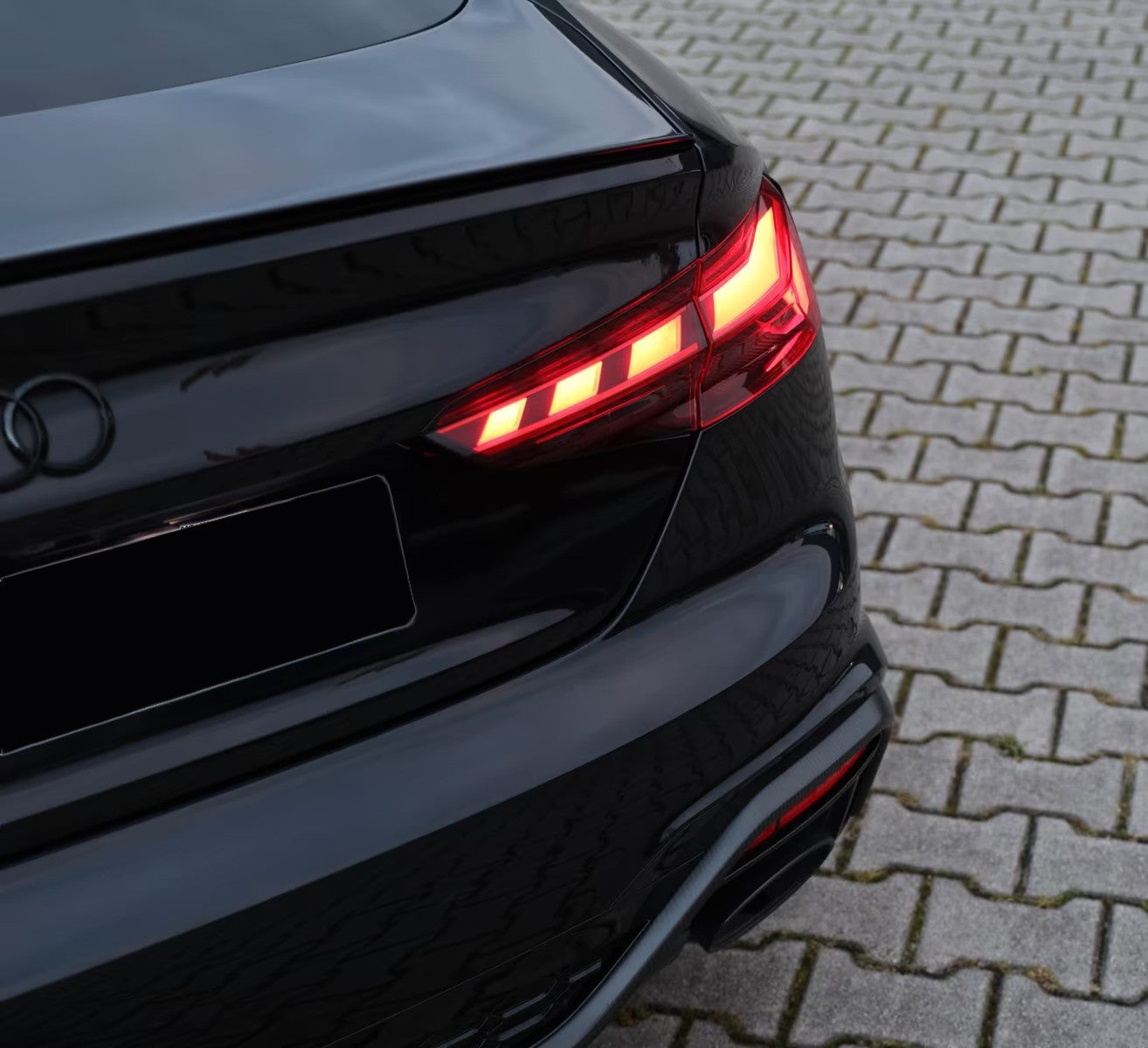


The BMW M3 E36 is one of the most iconic sports cars of the 1990s, and it remains a highly sought-after classic in the US market today. Built between 1992 and 1999, the E36 M3 represented a significant leap over its predecessor, the BMW M3 E30, with a larger engine, more refined suspension, and a broader range of body styles.
For enthusiasts and DIY mechanics alike, the E36 M3 offers a compelling combination of raw driving pleasure, relative mechanical simplicity, and an aftermarket parts ecosystem that is second to none. Prices have been climbing steadily as clean examples become harder to find, making a thorough pre-purchase inspection more important than ever.
Whether you are searching for a weekend track car, a driver-quality classic, or a long-term investment, understanding the BMW M3 E36's reliability strengths and weaknesses is essential before handing over your money.
Parts & Accessories
Your BMW M3 E36 deserves better.
Hand-picked performance and replacement parts — ready to ship.
Shop BMW M3 E36 parts →History and Versions
The BMW M3 E36 was introduced in Europe in 1992 and reached the US market in 1995. Unlike the European version, which received the S50B30 engine, North American buyers got the S50B30US (later the S52B32), a slightly detuned but still impressive straight-six.
Body styles included the Coupe (1992–1999), Convertible (1994–1999), and Sedan (1994–1998, European market only). A limited-production Lightweight (M3/4/5) variant was released in the US in 1995, featuring stripped-down weight reduction for track use.
The model was facelifted in 1996, bringing revised bumpers, updated interior trim, and the larger S52B32 engine for North American cars.
| Engine | Displacement | Power | Torque | 0-60 mph | Notes |
|---|---|---|---|---|---|
| S50B30 (EU) | 3.0L I6 | 286 hp | 236 lb-ft | 5.5 sec | European market, VANOS variable valve timing |
| S50B32 (EU) | 3.2L I6 | 321 hp | 258 lb-ft | 5.2 sec | European late model, dual VANOS |
| S50B30US | 3.0L I6 | 240 hp | 225 lb-ft | 5.5 sec | US 1995 model, single VANOS |
| S52B32 | 3.2L I6 | 240 hp | 236 lb-ft | 5.2 sec | US 1996–1999, revised intake and cams |
How to Check a Used BMW M3 E36's History
Before buying a used BMW M3 E36, it is essential to ensure full transparency about its past. Undisclosed accidents can hide poor-quality repairs that directly compromise the safety of the driver and passengers.
The E36 M3's unibody construction means that even a moderate collision can cause misaligned subframe mounting points, poorly repaired strut towers, or suspension geometry that is permanently off-spec. Unreplaced airbags, hastily welded crash structures, and suspension components bolted back without proper alignment are risks that are completely invisible during a casual inspection. Given that many of these cars have been tracked or driven hard, a thorough history check is not optional — it is essential. It is therefore strongly recommended to check the vehicle's complete history using its license plate or VIN number before making any purchase decision.
Get an instant 20% discount to access a vehicle's full past with total transparency via carVertical by clicking this link or on the banner below:

Key Strengths
The BMW M3 E36 has earned its reputation for good reasons. First and foremost, the S50 and S52 straight-six engines are mechanically robust units that respond extremely well to proper maintenance. With regular oil changes and attentive ownership, these engines are known to exceed 200,000 miles without major failures.
The suspension geometry is another strong point. The E36 M3 uses a double-pivot front strut design and a multi-link rear axle that delivers exceptional handling balance, and the components themselves are durable when not neglected.
Parts availability is outstanding. Because the E36 M3 shares many components with the standard BMW 3 Series E36, sourcing replacement parts — from OEM to aftermarket — is easy and affordable compared to other classics of the same era.
The five-speed Getrag 420G manual gearbox is also a highlight: it is direct, reliable, and rarely causes serious problems when serviced correctly. Overall, a well-maintained E36 M3 is one of the most rewarding and practical classics you can buy at this price point.
Known Reliability Issues
S50B30US / S52B32 — North American Engines
VANOS unit failure The single VANOS on the S50B30US and the revised unit on the S52 are the most common failure point on US-spec cars. Symptoms include a noticeable power loss between 2,000 and 4,000 rpm, rough idle, and rattling on cold start. Severity: Moderate. Typically appears between 60,000 and 120,000 miles.
Cooling system deterioration The entire cooling system — plastic thermostat housing, water pump impeller, radiator, and expansion tank — is made of materials that degrade significantly with age. Overheating events are the number one cause of serious engine damage on the E36 M3. Severity: Critical. Preventive replacement is strongly recommended on any car over 80,000 miles or 15+ years old, regardless of visible symptoms.
Oil leaks from the valve cover gasket The valve cover gasket and oil filter housing gasket are common sources of leaks. These are minor in isolation but can lead to oil burning on the exhaust manifold and fire risk if left unchecked. Severity: Minor to Moderate. Typically appears after 70,000 miles.
Rear main seal oil leak The rear main seal is a known weak point on high-mileage examples. Once it starts leaking, it requires significant labor to address. Severity: Moderate. Usually surfaces after 100,000 miles.
S50B30 / S50B32 — European Engines
Dual VANOS failure (S50B32) The European dual VANOS system is mechanically more complex than the US equivalent and is prone to seal deterioration over time. This results in rough cold starts, loss of power across the rev range, and increased fuel consumption. Severity: Moderate. Appears between 60,000 and 100,000 miles. Rebuild kits are available and widely used.
Individual throttle body (ITC) issues The European S50B32 uses individual throttle bodies that require periodic synchronization. Out-of-sync throttles cause rough idle and uneven power delivery. Severity: Minor. Can appear at any mileage without regular servicing.
Chassis Issues
Subframe cracking This is one of the most serious structural issues on the E36 platform. The rear subframe mounting points can crack the unibody floor under sustained hard driving or track use. Severity: Critical. Can appear from 80,000 miles onward, especially on cars with a track history. Always inspect the rear subframe mounts before purchase.
Control arm bushings and ball joints The front control arm bushings and ball joints wear out relatively quickly on the E36 M3, leading to vague steering, clunking over bumps, and poor alignment retention. Severity: Moderate. Typically worn by 60,000 to 80,000 miles.
Trailing arm bushings The rear trailing arm bushings deteriorate with age and allow the rear axle to shift under load, causing unpredictable handling. Severity: Moderate. Inspect on any car over 70,000 miles.
Electronics and Software
Instrument cluster pixel failure The instrument cluster LCD strip commonly loses pixels, making the odometer and trip computer partially unreadable. Severity: Minor. Virtually universal on cars over 20 years old.
ABS module and wheel speed sensors The ABS module can fail silently, triggering the ABS warning light. Wheel speed sensors are also prone to failure from road debris and corrosion. Severity: Minor to Moderate. Can appear at any mileage.
Window regulator failure The electric window regulators on the E36 platform are notoriously fragile, particularly on the Convertible. The plastic clips and cable guides break, leaving windows stuck or dropping unexpectedly. Severity: Minor. Common on cars over 80,000 miles.
Maintenance and Servicing
The BMW M3 E36 rewards disciplined maintenance above all else. Here are the key intervals and watch points:
Oil changes should be performed every 5,000 miles using a quality 10W-60 full synthetic oil (or 5W-40 in colder climates). The S50 and S52 engines are sensitive to oil starvation during hard cornering, so never defer an oil change.
Coolant system: Replace the water pump, thermostat housing, radiator, and expansion tank as a preventive package every 60,000 to 80,000 miles or sooner on older cars. Budget approximately $400 to $700 in parts for a full cooling system refresh.
Spark plugs and ignition coils should be inspected every 30,000 miles. The E36 M3 uses a distributor-based ignition on earlier models; check the cap and rotor at the same interval.
Transmission fluid in the Getrag 420G manual should be changed every 50,000 miles. Use a quality GL-4 gear oil.
Brake fluid should be flushed every two years, especially on cars used on track.
Annual inspection of suspension bushings, ball joints, and wheel bearings is strongly recommended given the age of these vehicles. Full dealer-equivalent servicing typically costs $200 to $400 per visit at an independent BMW specialist.
Parts to Watch / Replace First
Cooling system kit — Replace the water pump, thermostat, radiator hoses, and expansion tank as a preventive set. This is the single most important investment on any used E36 M3.
VANOS seals or rebuild kit — Restores power delivery across the rev range and eliminates cold-start rattles. Affordable to purchase, moderate DIY difficulty.
Valve cover gasket — One of the most common oil leak sources. Inexpensive part and straightforward to replace.
Control arm bushings and ball joints — Restores steering precision and chassis stability. Replace as a complete front axle refresh.
Rear trailing arm bushings — Critical for maintaining predictable rear-end behavior, especially on track-driven cars.
Rear subframe reinforcement plates — Not a replacement part but a critical preventive modification. Welded in to prevent unibody cracking at the subframe mounts.
Instrument cluster ribbon cable — Inexpensive fix for the nearly universal pixel failure on the dashboard LCD strip.
Window regulator clips — Plastic components that break repeatedly; upgrade to metal replacements where available.
FAQ
Is the BMW M3 E36 reliable?
Yes, the E36 M3 is considered reliable for its class and era when properly maintained. The S50 and S52 engines are fundamentally sound units. The main risks come from deferred maintenance, particularly cooling system neglect and VANOS wear, rather than inherent design flaws.
What is the best engine option in the BMW M3 E36?
For US buyers, the S52B32 found in 1996–1999 cars is generally the preferred choice. It offers slightly more displacement than the earlier S50B30US and benefits from refined tuning. European-spec cars with the S50B32 make more power but require more involved VANOS maintenance.
How many miles will a BMW M3 E36 last?
A well-maintained E36 M3 can realistically reach 200,000 miles or more. The key is consistent oil changes, proactive cooling system replacement, and addressing rubber components (bushings, gaskets, seals) before they fail. Cars with a track history require closer inspection at every mileage level.
Is the BMW M3 E36 expensive to maintain?
Maintenance costs are moderate compared to later M cars. Parts are widely available and affordable. A full cooling system replacement runs $400 to $700 in parts, and a VANOS rebuild is typically under $200 in parts. Labor costs are reasonable at an independent BMW specialist. Annual upkeep on a well-maintained example can be kept to $500 to $1,500 depending on what is found.
What should I look for when buying a used BMW M3 E36?
Prioritize rust inspection (especially on the rear subframe mounting points, floor pans, and wheel arches), cooling system history, and signs of track use. A cold-start idle that is rough or accompanied by a rattle from the VANOS area is a red flag. Always verify the VIN and run a full vehicle history report before purchase.
How does the E36 M3 compare to the E46 M3?
The E36 M3 is simpler mechanically and generally cheaper to maintain than the BMW 3 Series E46, which introduced the more complex S54 engine with its own known issues. The E36 is a better starting point for DIY mechanics and budget-conscious buyers.
Conclusion
The BMW M3 E36 earns a reliability score of 7.5 out of 10 for a car of its age and performance pedigree. Its core mechanical package is honest and durable, and the parts supply chain is excellent. The main enemies are neglect, deferred cooling system maintenance, and unaddressed rust.
Buy a well-documented example with service records, perform the key preventive replacements, and this iconic sports car will reward you for years to come. Browse our catalog for quality OEM and aftermarket parts to keep your E36 M3 in top condition.