

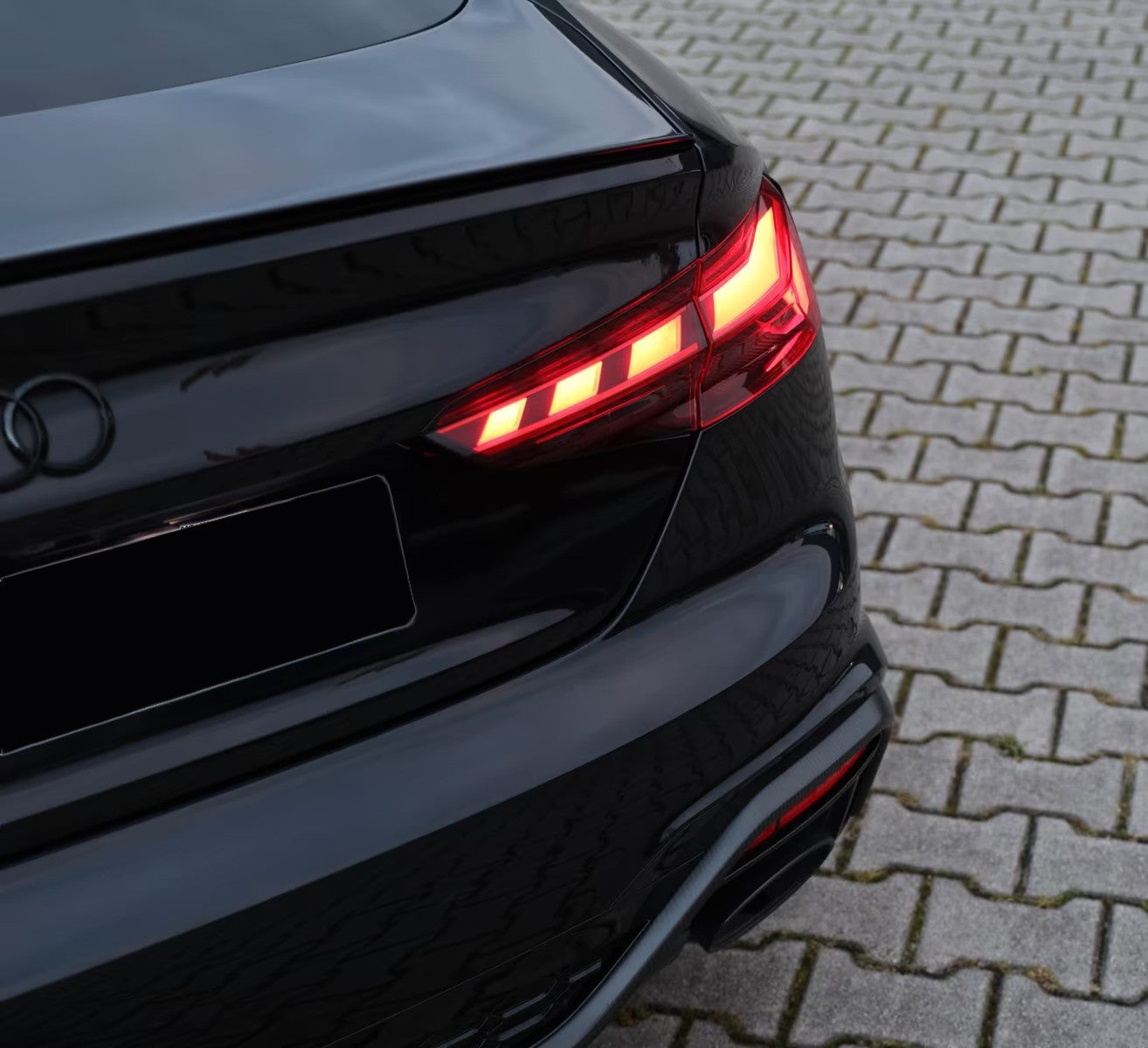


The Audi Q3 8U entered the market in 2011 as Audi's answer to the growing demand for premium compact SUVs. Positioned between the smaller Q2 and the mid-size Q5, the Q3 8U offered a blend of Audi's signature build quality, all-wheel-drive capability with the quattro system, and a practical, elevated driving position — all at a relatively accessible price point.
In the used market, the Q3 8U has become a popular choice for buyers looking for a refined European SUV without the depreciation hit of a new vehicle. Its shared platform with the Volkswagen Group MQB/PQ35 architecture means parts availability is strong and repair costs are generally reasonable compared to larger Audi models.
Whether you're considering a gasoline or diesel variant, a front-wheel-drive or quattro-equipped example, this guide covers everything you need to know — from the most common mechanical issues to maintenance costs and the best versions to target on the used market.
Parts & Accessories
Your Audi Q3 8U deserves better.
Hand-picked performance and replacement parts — ready to ship.
Shop Audi Q3 8U parts →History and Versions
The Audi Q3 first generation (internal code 8U) was produced from 2011 to 2018. It was built at the SEAT plant in Martorell, Spain, sharing its platform with the Volkswagen Tiguan.
A mid-cycle facelift arrived in 2014, bringing revised front-end styling, updated interior trim, updated MMI infotainment, and revised suspension tuning. Engine options spanned a broad range of turbocharged four-cylinder units — both TFSI gasoline and TDI diesel — with power outputs ranging from 110 hp to 184 hp, and an optional S tronic dual-clutch or six-speed manual transmission.
| Engine | Displacement | Power | Torque | 0-60 mph | Notes |
|---|---|---|---|---|---|
| 1.4 TFSI | 1.4L Turbo I4 | 150 hp | 184 lb-ft | 8.4 sec | FWD only, cylinder deactivation on CZEA |
| 2.0 TFSI | 2.0L Turbo I4 | 170 hp | 258 lb-ft | 7.3 sec | quattro available, EA888 Gen 1/2 |
| 2.5 TFSI RS Q3 | 2.5L Turbo I5 | 310 hp | 310 lb-ft | 4.8 sec | quattro, performance variant |
| 1.4 TDI | 1.4L Turbo I3 | 90 hp | 170 lb-ft | 12.5 sec | FWD, EU market only |
| 2.0 TDI | 2.0L Turbo I4 | 110–140 hp | 236–236 lb-ft | 9.5–11.0 sec | FWD or quattro, EA189/EA288 |
| 2.0 TDI | 2.0L Turbo I4 | 177 hp | 280 lb-ft | 7.0 sec | quattro, S tronic |
How to Check a Used Audi Q3 8U's History
Before buying a used Audi Q3 8U, it is essential to ensure full transparency about its past. Undisclosed accidents can hide poor-quality repairs that directly compromise the safety of the driver and passengers.
The Q3 8U's unibody construction means that even a moderate collision can distort the front subframe mounting points, affect the quattro driveshaft alignment, or leave unreplaced airbag modules hidden behind intact-looking trim panels. Hastily repaired suspension components — particularly front lower control arms and steering rack mounts — can degrade handling without showing any visible sign of damage during a casual inspection. It is therefore strongly recommended to check the vehicle's complete history using its license plate or VIN number before making any purchase decision.
Get an instant 20% discount to access a vehicle's full past with total transparency via carVertical by clicking this link or on the banner below:

Key Strengths
The Audi Q3 8U holds up well on the used market for several solid reasons.
First, its Volkswagen Group parts sharing keeps replacement costs down significantly compared to larger Audi models. Many components — from brake calipers to water pumps — are shared across the VW, SEAT, and Skoda lineup, meaning multiple suppliers compete on price.
Second, the quattro all-wheel-drive system available on higher-trim variants is a proven and reliable unit that requires minimal maintenance under normal use.
Third, build quality and interior durability are genuine strengths. The Q3 8U was assembled in a modern facility and shows strong resistance to rattles and trim degradation even at higher mileages.
Finally, the diesel variants — particularly the 2.0 TDI in 140 hp and 177 hp forms — deliver excellent fuel economy and proven long-distance durability when maintained correctly, making them smart choices for high-mileage buyers.
Known Reliability Issues
2.0 TFSI — EA888 (CCZC / CDNC)
Oil consumption / piston ring wear The EA888 Gen 1 and Gen 2 units fitted to the Q3 8U are known for excessive oil consumption, often caused by worn piston rings or a faulty PCV (positive crankcase ventilation) system. Symptoms include blue smoke at startup, oil level dropping between services, and a burning smell from the engine bay.
Typical mileage: 40,000–70,000 miles — Severity: Critical
Timing chain tensioner failure Early EA888 engines fitted to the Q3 suffered from a weak timing chain tensioner, which can lead to chain rattle on cold starts. If left unaddressed, this can progress to timing chain jump and catastrophic engine damage.
Typical mileage: 50,000–90,000 miles — Severity: Critical
For a deeper look at this engine family, see the Audi EA888 Engine Guide: Reliability, Common Problems & Tuning Potential.
Thermostat and water pump failure The plastic-housing thermostat and electric water pump are known weak points on these engines. Failure can lead to overheating or inconsistent coolant temperature readings.
Typical mileage: 60,000–100,000 miles — Severity: Moderate
2.0 TDI — EA189 (CFFA / CFFB)
Diesel particulate filter (DPF) clogging Pre-facelift Q3s with the EA189 diesel are prone to DPF clogging, especially when used predominantly for short urban trips. Symptoms include increased fuel consumption, limp mode, and warning lights.
Typical mileage: 40,000–70,000 miles — Severity: Moderate
EGR valve failure The EGR (exhaust gas recirculation) valve accumulates carbon deposits over time, leading to rough idling, loss of power, and occasional fault codes. Cleaning or replacement is a routine fix but should be monitored closely.
Typical mileage: 50,000–80,000 miles — Severity: Moderate
Emissions software (Dieselgate) Pre-2015 EA189 engines were involved in the Volkswagen emissions scandal. Most affected vehicles have received a software update, but buyers should verify this has been completed and monitor for any long-term impact on DPF longevity.
Typical mileage: N/A — Severity: Moderate
More details on the EA189's known issues can be found in the Audi EA189 Engine Guide: Reliability, Common Problems & Tuning Potential.
2.0 TDI — EA288 (CUVC)
Injector seal leaks The EA288 generation diesel is generally more refined, but injector seal degradation has been reported on higher-mileage examples, leading to rough running and diesel smell inside the cabin.
Typical mileage: 70,000–110,000 miles — Severity: Moderate
AdBlue system faults (post-facelift) Post-2015 Q3 TDI models equipped with SCR (selective catalytic reduction) can suffer from AdBlue pump failures and NOx sensor faults, triggering warning lights and derate modes.
Typical mileage: 60,000–90,000 miles — Severity: Moderate
1.4 TFSI — EA111 (CPTA) / EA888 (CZEA)
Carbon buildup on intake valves As a direct-injection engine, the 1.4 TFSI is susceptible to carbon deposits forming on intake valves over time, reducing airflow and causing rough idle or hesitation under load.
Typical mileage: 50,000–80,000 miles — Severity: Moderate
Cylinder-on-demand system issues (CZEA) The later CZEA variant features Active Cylinder Technology (ACT), which deactivates two cylinders at light load. The system's solenoids and valvetrain components can develop faults, triggering fault codes and disabling the fuel-saving feature.
Typical mileage: 40,000–70,000 miles — Severity: Minor to Moderate
Chassis Issues
Front lower control arm bushings The front control arm bushings wear out on all variants, causing vague steering, clunking over bumps, and uneven tire wear. This is one of the most common complaints across the entire Q3 8U range.
Typical mileage: 50,000–80,000 miles — Severity: Moderate
Rear trailing arm bushings On quattro models, the rear trailing arm bushings are also prone to degradation, affecting stability during cornering.
Typical mileage: 60,000–90,000 miles — Severity: Moderate
Electronics and Software
MMI infotainment system freezes The MMI (Multi Media Interface) system in pre-facelift models is known to freeze or reboot spontaneously. Software updates address some symptoms, but the root cause is often aging hardware.
Typical mileage: Any — Severity: Minor
Parking sensor faults Rear parking sensors are prone to false alarms or complete failure, often caused by damaged sensor housings or corroded wiring connectors.
Typical mileage: 50,000+ miles — Severity: Minor
Maintenance and Servicing
The Audi Q3 8U follows Audi's variable service interval system, which can stretch oil changes to 10,000–15,000 miles under ideal conditions. However, many mechanics recommend shortening this to 7,500 miles for turbocharged engines, particularly the TFSI variants, to prevent sludge buildup.
Key service intervals:
- Engine oil and filter: Every 7,500–10,000 miles (use VW 502 00 or 504 00 spec oil for TFSI, VW 507 00 for TDI)
- Air filter: Every 20,000–30,000 miles
- Spark plugs (TFSI): Every 40,000 miles
- Brake fluid: Every 2 years regardless of mileage
- Timing belt / chain: Check service history — 2.0 TDI EA189 uses a timing belt due at 80,000–100,000 miles, while TFSI units use a chain that should be inspected for rattle
- DSG / S tronic fluid: Every 40,000 miles (often skipped by previous owners — always verify)
Estimated average service costs (US market):
- Basic oil service: $120–$200
- Timing belt replacement (TDI): $600–$900
- Control arm replacement (pair): $300–$500
- DPF cleaning or replacement: $400–$800
Parts to Watch / Replace First
Timing chain tensioner — On early EA888 TFSI engines, this is a priority inspection item. Cold-start rattle is a clear warning sign. Replace proactively if the service history is unclear.
PCV valve and oil separator — Directly linked to oil consumption issues on TFSI variants. A failed PCV valve forces crankcase pressure into the intake and accelerates ring wear.
Front lower control arm with bushings — One of the first wear items to address on any used Q3 8U. Worn units cause noticeable handling degradation and accelerate tire wear.
Thermostat housing assembly — The plastic thermostat housing on TFSI engines is prone to cracking. Replacing it with an updated OEM unit is a cheap and important preventive step.
DPF (diesel particulate filter) — On TDI models with city driving history, inspect or replace the DPF before further wear accumulates. A clogged DPF can damage the turbocharger if ignored.
S tronic / DSG mechatronic unit — If the transmission shifts harshly or hesitates, inspect the mechatronic unit and ensure the DSG fluid has been changed at correct intervals.
Brake pads and discs — European-market driving habits often mean heavier brake wear. Always inspect pad thickness and disc condition when buying used.
FAQ
Is the Audi Q3 8U reliable?
The Q3 8U is a moderately reliable compact SUV overall. It benefits from strong VW Group parts availability and a well-proven platform, but certain engine variants — especially the early EA888 TFSI — have known issues with oil consumption and timing chain wear that require attention. Well-maintained examples with documented service history are generally dependable long-term.
What is the best engine option in the Q3 8U?
For most buyers, the 2.0 TDI in 140 hp form (EA288) offers the best balance of fuel economy, reliability, and performance. The 2.0 TFSI in 170 hp quattro spec is a strong choice for those who prefer a gasoline engine, provided the timing chain and PCV system have been serviced. Avoid very early EA888 Gen 1 units without documented maintenance.
How many miles will an Audi Q3 8U last?
A well-maintained Q3 8U can comfortably reach 150,000–180,000 miles without major mechanical failures. Diesel variants with proper DPF care are known to exceed this range. The key is adherence to oil change intervals and proactive replacement of wear items like control arm bushings and the timing belt or chain.
Is the Audi Q3 8U expensive to maintain?
Maintenance costs are moderate for a premium European SUV. Parts sharing with the broader VW Group lineup keeps component costs lower than many rivals. Expect to spend $800–$1,500 per year on routine maintenance, with additional budget required if timing system, transmission fluid, or suspension components need attention.
Which Q3 8U variants should I avoid?
Exercise caution with pre-facelift (2011–2013) models equipped with the EA888 Gen 1 TFSI engine that have not had the timing chain and PCV system addressed. Also be wary of high-mileage TDI examples with no documented DPF service history, particularly those with a history of short city trips. Always verify whether the Dieselgate software update has been applied to EA189-equipped examples.
Is the quattro system on the Q3 8U reliable?
Yes, the Haldex-based quattro system used on the Q3 8U is generally reliable. The main maintenance requirement is a Haldex fluid and filter change every 40,000 miles. Neglecting this service can cause premature coupling wear, resulting in poor traction distribution and expensive repairs.
Conclusion
The Audi Q3 8U earns a solid 7/10 for overall reliability. It is a well-built compact SUV with a proven VW Group platform, strong parts availability, and manageable running costs — provided the right variant is chosen and maintenance has been kept up to date. Focus on post-facelift examples with documented service history, prioritize diesel variants for longevity, and address known weak points like the timing system and control arm bushings promptly. Browse our parts catalog to find everything you need to keep your Q3 8U running at its best.