

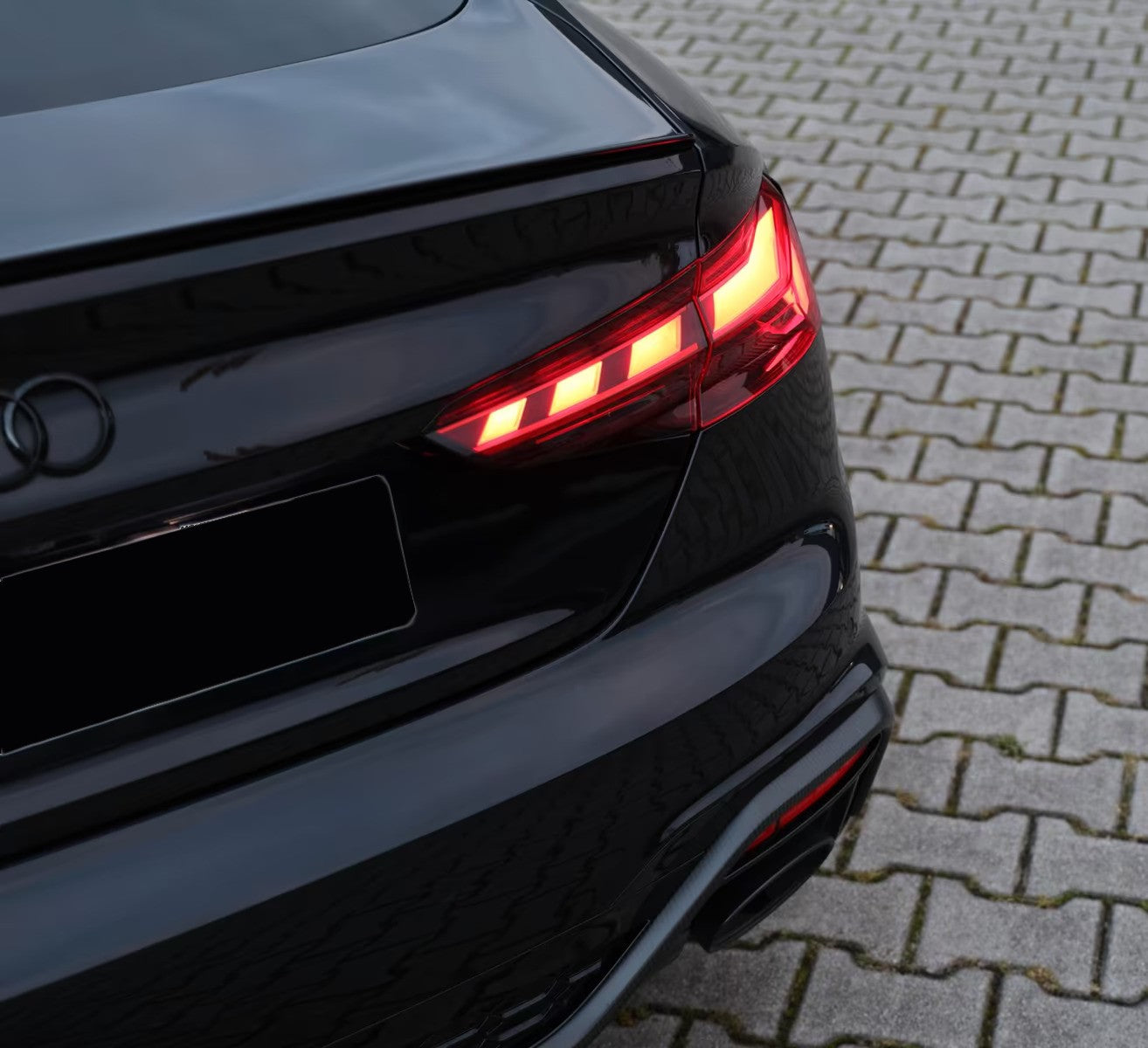


The Audi Q5 8R is one of the most successful premium mid-size SUVs ever sold in the United States. Launched in 2008 and produced through 2017, it hit a sweet spot between luxury, practicality, and all-weather capability that resonated with American buyers from day one. Sharing its architecture with the Audi A4 B8, the Q5 8R offered a wide range of four-cylinder and six-cylinder petrol and diesel engines, always paired with quattro all-wheel drive on most variants.
Today, used examples are plentiful and affordable — but not all of them have been properly maintained. The Q5 8R has a reputation for being a solid, well-engineered machine, yet it carries a handful of well-documented reliability concerns that every buyer should understand before signing anything.
This guide covers everything: engine-specific problems, chassis weak points, maintenance costs, and the parts most likely to need attention on a high-mileage example.
Parts & Accessories
Your Audi Q5 8R deserves better.
Hand-picked performance and replacement parts — ready to ship.
Shop Audi Q5 8R parts →History and Versions
The Audi Q5 8R was introduced at the 2008 Paris Motor Show and went on sale in the US for the 2009 model year. A mid-cycle refresh arrived in 2012, bringing revised front and rear styling, updated interior trim, and revised engine calibrations. The 8R generation was replaced by the second-generation Q5 (FY) in 2017.
In the US market, the lineup centered on two main powertrains: the 2.0 TFSI turbocharged four-cylinder and the 3.0 TFSI supercharged V6. A 3.0 TDI diesel was available in limited markets but was effectively withdrawn from US sale following the 2015 Dieselgate scandal. The high-performance SQ5 variant arrived for 2014 with a supercharged 3.0-liter V6.
| Engine | Displacement | Power | Torque | 0-60 mph | Notes |
|---|---|---|---|---|---|
| 2.0 TFSI (CDNB/CNCD) | 2.0L Turbo I4 | 211 hp | 258 lb-ft | 7.1 s | Main US variant, EA888 Gen 1/2 |
| 3.0 TFSI (CGXB) | 3.0L Supercharged V6 | 272 hp | 295 lb-ft | 5.9 s | Available pre-facelift |
| 3.0 TFSI (CTUC) | 3.0L Supercharged V6 | 272 hp | 295 lb-ft | 5.9 s | Post-facelift update |
| 3.0 TDI (CCWA/CAPA) | 3.0L Turbo V6 Diesel | 240 hp | 406 lb-ft | 6.5 s | Limited US availability, EA897 |
| SQ5 3.0 TFSI (CTUA) | 3.0L Supercharged V6 | 354 hp | 347 lb-ft | 4.7 s | US from 2014 MY |
How to Check a Used Audi Q5 8R's History
Before buying a used Audi Q5 8R, it is essential to ensure full transparency about its past. Undisclosed accidents can hide poor-quality repairs that directly compromise the safety of the driver and passengers.
On the Q5 8R specifically, accident damage is not always visible at a glance. Misaligned body panels around the tailgate or front bumper can signal a repaired rear or front-end collision. More critically, the front subframe and quattro drivetrain components can sustain structural damage that goes undetected in a visual inspection. Unreplaced airbag modules, a poorly repaired front strut tower, or a bent multi-link rear suspension arm are exactly the kind of invisible risks that can compromise both ride quality and safety over time. It is therefore strongly recommended to check the vehicle's complete history using its license plate or VIN number before making any purchase decision.
Get an instant 20% discount to access a vehicle's full past with total transparency via carVertical by clicking this link or on the banner below:

Key Strengths
The Audi Q5 8R earned its popularity for good reasons. Here is what makes it a compelling used buy in today's market.
Build quality is consistently praised — the interior materials, panel gaps, and overall fit and finish feel genuinely premium even on decade-old examples.
Quattro all-wheel drive provides genuine all-weather security, and the system is mechanically robust when properly maintained.
The 3.0 TFSI supercharged V6 is widely considered one of Audi's most dependable and smooth-revving engines of the era, offering excellent real-world performance with fewer turbo-related concerns than the 2.0 TFSI.
Resale value held up well historically, which also means sellers maintained their vehicles more carefully than average. Parts availability is excellent, with a wide aftermarket ecosystem across the US.
The Q5 8R also benefits from a shared parts bin with the A4 B8, A5 8T, and Q3 8U — making many mechanical components easy and affordable to source.
Known Reliability Issues
2.0 TFSI — EA888 (Gen 1 / Gen 2)
The 2.0 TFSI is the most common engine in the Q5 8R lineup and the one with the most documented issues. For a deeper look at this engine family, see our Audi EA888 Engine Guide.
Excessive oil consumption — The Gen 1 EA888 (pre-2012 facelift) is notorious for burning oil between service intervals. Worn piston rings and valve stem seals are the root cause. Severity: Critical. Typical onset: 60,000–90,000 miles. Always check the dipstick before buying.
Timing chain tensioner failure — Early EA888 units used a plastic timing chain tensioner that can wear prematurely, causing a rattling noise on cold starts. Left unaddressed, this can lead to timing chain skip and catastrophic engine damage. Severity: Critical. Typical onset: 70,000–100,000 miles.
Carbon buildup on intake valves — Direct injection means fuel never washes the intake valves. Carbon deposits accumulate and cause rough idling, misfires, and reduced performance. Severity: Moderate. Typical onset: 60,000–80,000 miles. Walnut blasting is the standard fix.
Diverter valve failure — The factory plastic diverter valve cracks under pressure, causing a hissing sound and loss of boost. Severity: Minor to Moderate. Typical onset: 50,000–80,000 miles.
PCV/catch can system failure — The positive crankcase ventilation system deteriorates over time, contributing to oil leaks and excessive crankcase pressure. Severity: Moderate. Typical onset: 80,000–120,000 miles.
3.0 TFSI — EA837 Supercharged V6
The supercharged 3.0 TFSI is the more reliable choice for long-term ownership, but it is not without its own watch points.
Supercharger bearing wear — At high mileage, the supercharger's internal bearings can develop noise and reduced efficiency. Full supercharger replacement is expensive. Severity: Moderate. Typical onset: 100,000–130,000 miles.
Timing chain tensioner — Like the EA888, the V6 3.0 TFSI can develop timing chain rattle on cold starts as the tensioner wears. Severity: Critical if ignored. Typical onset: 90,000–120,000 miles.
Coolant system leaks — The plastic coolant flange and expansion tank are known weak points that crack with age and temperature cycling. Severity: Moderate. Typical onset: 70,000–100,000 miles.
Oil leaks from valve cover gaskets — The valve cover gaskets and the area around the camshaft adjuster solenoids are common leak points on higher-mileage examples. Severity: Minor to Moderate. Typical onset: 80,000–110,000 miles.
3.0 TDI — EA897
DPF (Diesel Particulate Filter) clogging — Vehicles used predominantly for short city trips accumulate soot faster than the DPF can regenerate. Severity: Moderate to Critical. Typical onset: 60,000–90,000 miles on urban-driven examples.
High-pressure fuel pump (HPFP) failure — The 3.0 TDI's high-pressure fuel pump can fail, causing hard starts and loss of power. Severity: Critical. Typical onset: 80,000–120,000 miles.
EGR valve fouling — Carbon deposits on the EGR valve and inlet manifold are common on diesel-powered Q5s, leading to reduced performance and increased smoke. Severity: Moderate. Typical onset: 70,000–100,000 miles.
Chassis Issues
Front control arm bushings — The front lower control arm bushings degrade faster than the arms themselves. Worn bushings cause vague steering, clunking over bumps, and uneven tire wear. Severity: Moderate. Typical onset: 60,000–90,000 miles.
Rear multi-link suspension wear — The Q5's rear suspension uses a complex multi-link setup. Rear trailing arm bushings and toe link bushings wear out on high-mileage examples, causing handling instability and tire wear. Severity: Moderate. Typical onset: 80,000–120,000 miles.
Panoramic sunroof seal deterioration — The optional panoramic roof is prone to water ingress when the drain channels and seals age. This can lead to interior moisture damage and mold. Severity: Minor. Typical onset: 8–12 years regardless of mileage.
Electronics and Software
MMI system freezes and failures — The Multi Media Interface (MMI) system can freeze, lose settings, or fail to boot, especially on pre-facelift units. Control unit replacement is the most reliable fix. Severity: Minor to Moderate.
Parking sensor malfunctions — Rear parking sensors fail due to damage, moisture ingress, or sensor housing cracking, particularly in cold-weather states. Severity: Minor.
Battery drain / electrical module faults — Multiple control modules staying active after the vehicle is switched off can cause slow battery discharge. Severity: Minor. Diagnosis requires a proper OBD scan.
Maintenance and Servicing
The Audi Q5 8R uses a variable service interval system (Audi Service Indicator), which can suggest up to 10,000 miles between oil changes. Many experienced mechanics recommend shortening this to 5,000–7,500 miles using a full synthetic 5W-30 or 5W-40 oil, especially for the 2.0 TFSI given its oil consumption tendencies.
Recommended service intervals:
- Engine oil and filter: Every 5,000–7,500 miles (more frequently on the 2.0 TFSI)
- Spark plugs: Every 30,000–40,000 miles on the 2.0 TFSI; 60,000 miles on the 3.0 TFSI
- Air filter: Every 20,000–30,000 miles
- Cabin filter: Every 15,000–20,000 miles
- Transmission fluid (S tronic / Tiptronic): Every 40,000–60,000 miles, often skipped by previous owners
- Brake fluid: Every 2 years regardless of mileage
- Timing chain inspection: Recommended at 80,000 miles on all variants
Average service costs in the US range from $150–$300 for a full synthetic oil service at an independent shop to $400–$700 at a dealership. A timing chain replacement on the 2.0 TFSI can run $1,500–$2,500 including labor.
Parts to Watch / Replace First
Timing chain tensioner — On both the 2.0 TFSI and 3.0 TFSI, this is the single highest-priority preventive replacement on any Q5 over 80,000 miles.
PCV valve and breather hoses — Cracked or hardened PCV components cause oil leaks and increased oil consumption. Inexpensive to replace, expensive to ignore.
Front lower control arm bushings — These degrade silently and affect steering precision significantly. Polyurethane or OEM-spec rubber replacements restore the driving feel.
Coolant expansion tank — The original plastic tank becomes brittle. Replacing it proactively prevents roadside overheating incidents.
Diverter valve (2.0 TFSI) — Upgrade to a quality aftermarket unit or OEM revised version to avoid boost loss and turbo stress.
Rear brake pads and rotors — The quattro system places higher demands on the rear brakes than typical FWD SUVs. Check condition carefully on any used example.
Spark plugs — Often neglected on high-mileage examples. Fresh plugs directly address rough idle and misfires caused by carbon buildup.
Cabin air filter and pollen filter — Frequently overlooked at service. A clogged filter strains the HVAC blower and reduces interior air quality.
FAQ
Is the Audi Q5 8R reliable?
The Q5 8R is reasonably reliable for a European premium SUV, but it requires consistent maintenance to stay trouble-free. The 3.0 TFSI V6 variant is generally more dependable than the 2.0 TFSI when properly cared for. Skipped oil changes and deferred maintenance are the most common causes of expensive failures on used examples.
What is the best engine option in the Audi Q5 8R?
For long-term reliability, the 3.0 TFSI supercharged V6 is the preferred choice. It is smoother, less prone to carbon buildup-related issues than the direct-injection four-cylinder, and has fewer documented catastrophic failures. The SQ5 3.0 TFSI is the performance pick, though service costs are higher.
How many miles will an Audi Q5 8R last?
A well-maintained Q5 8R can comfortably reach 150,000–200,000 miles. The key is regular oil changes, timely timing chain service, and addressing coolant and suspension wear before it becomes structural damage. Examples over 120,000 miles should be inspected carefully and priced accordingly.
Is the Audi Q5 8R expensive to maintain?
Maintenance costs are higher than a domestic SUV but comparable to BMW X3 or Mercedes GLK competition. Budget approximately $800–$1,500 per year for routine maintenance at an independent specialist. Major repairs such as a timing chain job or DSG service can add $1,500–$3,000 depending on mileage and shop rates.
Which model year of the Q5 8R is the most reliable?
The post-facelift 2013–2016 models are generally preferred. The 2012 refresh brought improvements to the EA888 engine (Gen 2 vs Gen 1) that reduced — though did not eliminate — oil consumption issues. Avoid very early 2009 examples unless the timing chain and oil consumption history are clearly documented.
Does the Audi Q5 8R have quattro on all versions?
In the US market, quattro all-wheel drive was standard on virtually all Q5 8R variants. FWD versions existed in some European markets but were never officially offered to American buyers.
Conclusion
The Audi Q5 8R earns a reliability score of 6.5 out of 10 — solid for the class, but demanding of attentive ownership. The 3.0 TFSI variants are the most rewarding long-term, while the 2.0 TFSI requires closer monitoring of oil consumption and the timing chain. A well-documented, dealer-serviced example with under 100,000 miles represents genuinely good value. Browse our catalog for quality replacement and maintenance parts to keep your Q5 8R performing at its best.