
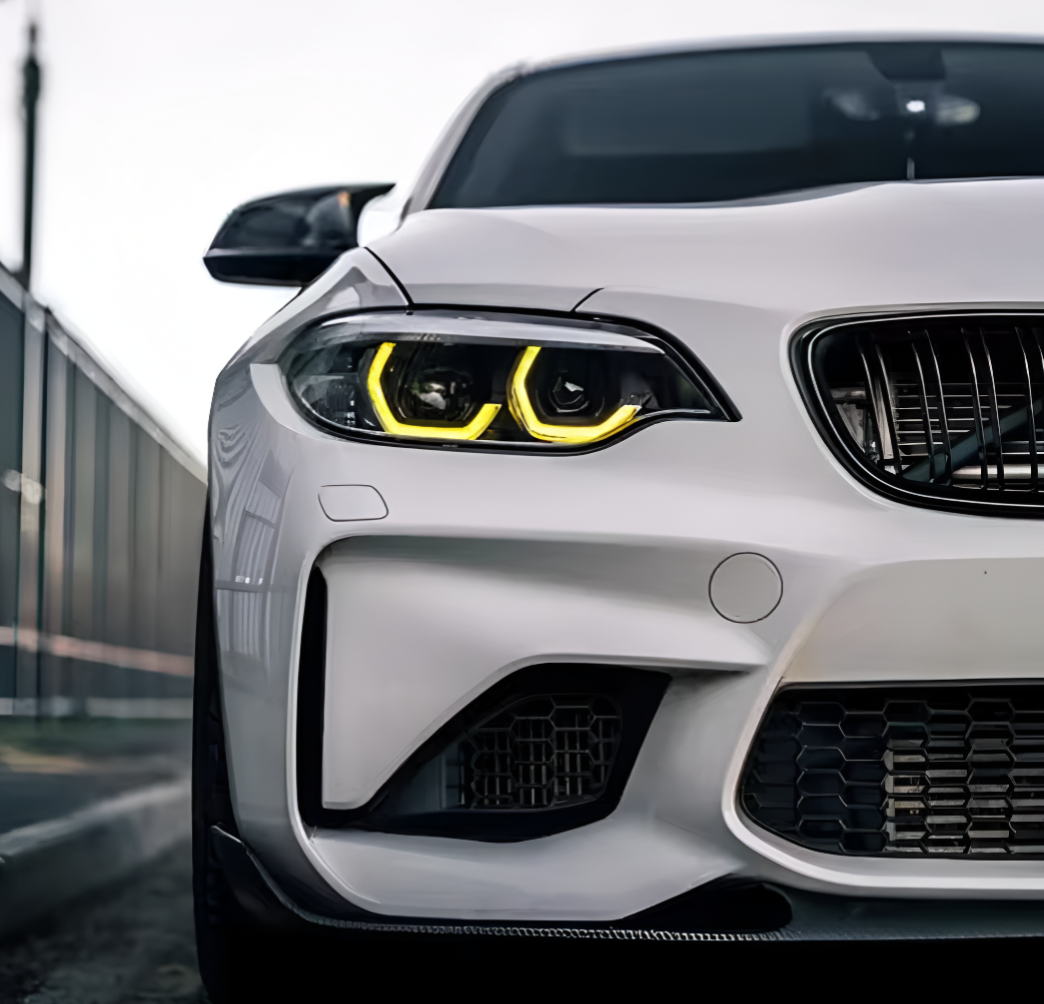

The BMW i4 G26 represents a pivotal moment in BMW's history — a fully electric gran coupé that bridges the gap between the brand's celebrated driving dynamics and the demands of a zero-emission future. Launched in 2021 for the 2022 model year, the i4 sits on the same CLAR platform as the BMW 3 Series G20, sharing much of its body structure and suspension architecture with that proven combustion-engined sibling.
Positioned as a premium electric sedan in the US market, the i4 competes directly with the Tesla Model 3, Polestar 2, and Mercedes EQE. It targets buyers who want genuine driving engagement alongside long-range EV capability. With rear-wheel drive and all-wheel drive variants available, and a high-performance M50 variant topping the lineup, there is an i4 for nearly every type of driver.
As used examples increasingly appear on dealer lots and private listings, understanding the BMW i4's known reliability patterns, EV-specific maintenance requirements, and common ownership pitfalls is more important than ever.
Parts & Accessories
Your BMW i4 G26 deserves better.
Hand-picked performance and replacement parts — ready to ship.
Shop BMW i4 G26 parts →History and Versions
The BMW i4 G26 entered production in 2021 and went on sale in the United States as a 2022 model year vehicle. It was developed alongside the combustion-engined BMW 4 Series Gran Coupé (G26) and the iX electric SUV, sharing BMW's fifth-generation eDrive technology.
Two core variants were offered at launch: the eDrive40 with a single rear motor, and the performance-focused M50 with dual motors and all-wheel drive. A xDrive40 all-wheel drive non-M variant was added for the 2024 model year, expanding the lineup. Annual software updates have progressively improved range estimates, charging behavior, and infotainment responsiveness.
| Engine | Displacement | Power | Torque | 0-60 mph | Notes |
|---|---|---|---|---|---|
| eDrive40 (single motor) | Electric — 83.9 kWh | 335 hp | 317 lb-ft | 5.5 sec | RWD, est. 301 miles EPA range |
| M50 (dual motor) | Electric — 83.9 kWh | 536 hp | 586 lb-ft | 3.7 sec | AWD, est. 227 miles EPA range |
| xDrive40 (dual motor) | Electric — 83.9 kWh | 396 hp | 442 lb-ft | 4.7 sec | AWD, added MY2024 |
How to Check a Used BMW i4's History
Before buying a used BMW i4 G26, it is essential to ensure full transparency about its past. Undisclosed accidents can hide poor-quality repairs that directly compromise the safety of the driver and passengers — and on an electric vehicle, the stakes are even higher given the complexity of high-voltage systems.
On the i4 specifically, a prior collision can result in invisible damage to the high-voltage battery pack, misaligned body panels concealing unreplaced structural reinforcements, or improperly repaired front and rear subframes. Suspension components such as the integral rear axle may have been hastily straightened rather than replaced, leading to unpredictable handling. Airbag modules may have been reset without proper replacement of pretensioners. It is therefore strongly recommended to check the vehicle's complete history using its license plate or VIN number before making any purchase decision.
Get an instant 20% discount to access a vehicle's full past with total transparency via carVertical by clicking this link or on the banner below:

Key Strengths
The BMW i4 G26 earns strong praise in several areas that make it a compelling used buy in the premium EV segment.
The driving dynamics are genuinely class-leading. The low center of gravity created by the underfloor battery pack, combined with BMW's well-tuned multi-link rear suspension, delivers a driving feel that few electric cars can match. The eDrive40 in particular strikes an excellent balance between range, comfort, and driver engagement.
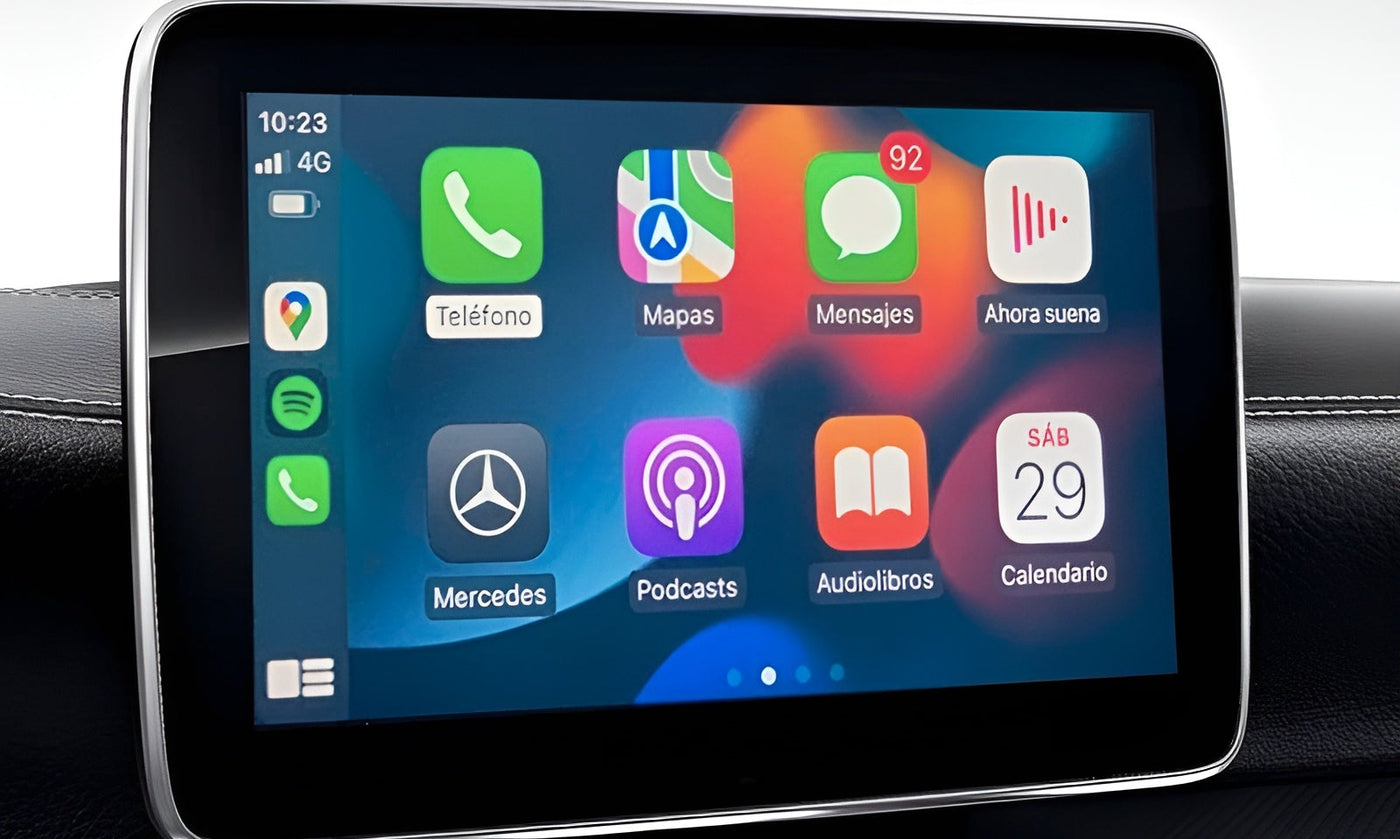
The interior quality is unmistakably BMW, with a well-built cabin, premium materials, and the latest iDrive 8 infotainment system. The large curved display is responsive and feature-rich, and over-the-air updates have steadily improved the software experience since launch.
Range anxiety is largely a non-issue with the eDrive40, which consistently delivers real-world range close to its EPA estimate under normal driving conditions. DC fast charging capability at up to 200 kW also makes long trips practical.
Finally, the i4 benefits from BMW's established dealer network and a growing ecosystem of third-party EV parts and service providers across the United States.
Known Reliability Issues
eDrive40 — Single Rear Motor (5th Gen eDrive)
Battery management software errors Early MY2022 examples experienced spurious battery management system (BMS) warnings triggered by software faults rather than genuine cell degradation. Symptoms include unexpected reduction in available power and range estimates fluctuating dramatically. BMW issued several software updates to address this. Typically seen within the first 10,000–25,000 miles. Severity: Moderate.
DC fast charging interruptions A notable proportion of early eDrive40 owners reported sessions terminating prematurely at public DC chargers, particularly third-party networks. Root cause was traced to charging communication software rather than hardware. Updated via OTA patches from 2022 onward. Severity: Moderate, resolved in most cases by update.
Brake actuator noise The i4 uses a decoupled brake-by-wire system for regenerative braking integration. Some owners report a faint grinding or clicking noise during low-speed braking, typically caused by the brake actuator unit. Appears most commonly between 15,000 and 40,000 miles. Severity: Minor in most cases, but warrants inspection.
Coolant pump failures (high-voltage thermal circuit) The battery and motor cooling system relies on multiple electric coolant pumps. Premature pump failures have been documented, resulting in thermal management warnings and reduced performance. Appears between 30,000 and 60,000 miles. Severity: Critical if ignored — continued driving with compromised thermal management can damage the battery pack.
M50 — Dual Motor AWD (5th Gen eDrive)
Front motor bearing noise Several M50 owners have reported a low-frequency whine from the front motor assembly, particularly under light throttle at highway speeds. BMW has acknowledged this and in some cases replaced the front motor unit under warranty. Typically emerges between 20,000 and 50,000 miles. Severity: Moderate.
Higher brake wear due to AWD regen tuning The M50's all-wheel drive regenerative braking calibration places more load on the front brake rotors and pads compared to the eDrive40. Owners report needing front brake service earlier than expected, around 25,000–35,000 miles in urban use. Severity: Minor but a recurring maintenance cost.
Suspension compliance under hard driving Track-oriented or aggressive driving reveals that the M50's adaptive M suspension can develop clunking from front control arm bushings earlier than on non-M variants, typically around 40,000 miles. The additional torque loading on the front axle accelerates bushing wear. Severity: Moderate.
Chassis Issues (All Variants)
Rear integral link bushings The i4 shares its rear suspension architecture with the 3 Series G20 platform. Rear integral arm bushings have shown wear from around 50,000 miles onward, resulting in mild vagueness at highway speeds and slight tram-lining. A known characteristic of the CLAR platform across multiple models. Severity: Minor to Moderate.
Wind noise from door seals A number of i4 owners across both variants report excessive wind noise at highway speeds, traced to door rubber seals losing compression. This is primarily a comfort issue but indicates seal degradation. Appears from around 30,000 miles onward. Severity: Minor.
Electronics and Software
iDrive 8 system freezes and reboots The iDrive 8 infotainment system on early production cars was prone to spontaneous reboots and occasional full system freezes. BMW has addressed most instances through OTA updates, but examples that have not been regularly updated may still exhibit this behavior. Severity: Minor post-update, Moderate on un-updated cars.
Park assist sensor malfunctions Intermittent failures of the ultrasonic parking sensors have been reported, with the system showing false obstacle warnings or going entirely offline. Often resolved by a software reset, but sensor replacement is occasionally needed. Severity: Minor.
Maintenance and Servicing
The BMW i4 G26 significantly reduces scheduled maintenance compared to any combustion-engined BMW, but it is not maintenance-free.
Brake fluid should be replaced every 2 years regardless of mileage, as the hygroscopic nature of DOT 4 fluid does not change with electric powertrains. Given the reduced use of friction brakes due to regenerative braking, brake rotors and pads should be inspected annually for corrosion — underuse can cause surface rust and glazing on rotors.
Cabin air filter replacement is recommended every 15,000–20,000 miles or annually. Windshield washer fluid and tire rotations every 7,500 miles round out the basic service requirements.
The high-voltage battery coolant should be inspected at 50,000 miles and flushed on a BMW-recommended schedule, typically every 4 years. This is often overlooked by owners unfamiliar with EV servicing needs.
Typical annual service costs for the i4 at an independent BMW specialist range from $200 to $400, rising to $600–$900 at a BMW dealership. Battery-related diagnostic work adds cost if warning lights appear. Tires are a notable ongoing expense — the i4's weight (approximately 4,700–5,200 lbs depending on variant) accelerates tire wear, and replacements for the standard 18–20 inch fitments run $180–$320 per tire.
Parts to Watch / Replace First
High-voltage coolant pump: The thermal management pumps are the single most important wear item unique to the i4's powertrain. Inspect for function at every service; proactive replacement around 60,000 miles is advisable.
Brake fluid: Often overlooked on EVs, the brake fluid degrades on the same timeline as any other vehicle. Replace every two years without exception.
Cabin air filter: A straightforward DIY item that significantly affects cabin air quality, particularly important given the i4's sealed cabin design.
Front control arm bushings (M50 specifically): Monitor for play and clunking from 40,000 miles onward on the M50 variant, where bushing wear occurs earlier.
Rear integral arm bushings: Shared with the G20 3 Series platform, these begin to show wear after 50,000 miles and affect rear-end precision noticeably.
Door rubber seals: Replace proactively if wind noise becomes apparent at highway speed, typically around 30,000–50,000 miles.
Brake rotors and pads: Inspect for surface corrosion and glazing at every service, particularly on vehicles used primarily in urban environments with heavy regenerative braking.
FAQ
Is the BMW i4 G26 reliable?
Overall, the i4 has proven to be a reliable EV for a first-generation product. Early software issues have largely been resolved through updates, and the core electric drivetrain has shown no major systemic failures. Buyers of well-maintained examples with current software versions should have few concerns.
What is the best version of the BMW i4 to buy?
The eDrive40 offers the best balance of range, daily usability, and long-term reliability for most buyers. It avoids the additional mechanical complexity of the dual-motor setup and delivers excellent real-world range. The M50 is the choice for performance-oriented buyers willing to accept higher tire and brake costs.
How many miles will a BMW i4 last?
BMW's fifth-generation battery pack is engineered for longevity. Based on early ownership data, battery degradation appears minimal through 50,000–70,000 miles, with most owners reporting less than 5% capacity loss. The electric motors themselves have no meaningful wear items at typical ownership mileages. With proper thermal management maintenance, 150,000 to 200,000 miles is a realistic service life.
Is the BMW i4 expensive to maintain?
Routine maintenance is significantly cheaper than a comparable combustion-engined BMW. Annual service costs of $200–$400 at an independent specialist are realistic. The major wildcard is the high-voltage battery — if the battery pack requires replacement outside of warranty, costs can exceed $15,000. Buying within the 4-year/50,000-mile BMW warranty window or with an extended warranty is strongly advisable.
What should I check before buying a used BMW i4?
Verify the software version is current and that all OTA updates have been applied. Check for any open technical service bulletins (TSBs) on the VIN. Request a full battery health report from a BMW dealer or authorized EV technician, showing current capacity versus original. Inspect the charging port for damage and test a full DC fast charge session. Also check the brake rotors for unusual corrosion or glazing.
Does the BMW i4 share parts with the 3 Series?
Yes. The i4 G26 shares its CLAR platform, body structure, suspension geometry, and many chassis components with the BMW 3 Series G20. This means that suspension consumables such as control arms, bushings, and wheel bearings are widely available and competitively priced, which benefits long-term ownership costs.
Conclusion
The BMW i4 G26 earns a solid reliability score of 7.5/10 for a first-generation electric vehicle. Its early software growing pains have largely been addressed, the core electric powertrain is proving durable, and its shared CLAR platform with the 3 Series means chassis parts are accessible and affordable. The main risks for buyers are pre-purchase software neglect, thermal management component wear at higher mileages, and the ever-present concern of undisclosed accident damage to high-voltage systems. Buy a well-documented example with current software and a clean history, and the i4 represents one of the most compelling used EV purchases in the premium segment today. Browse our parts catalog to find quality replacement components for your BMW i4 G26.