

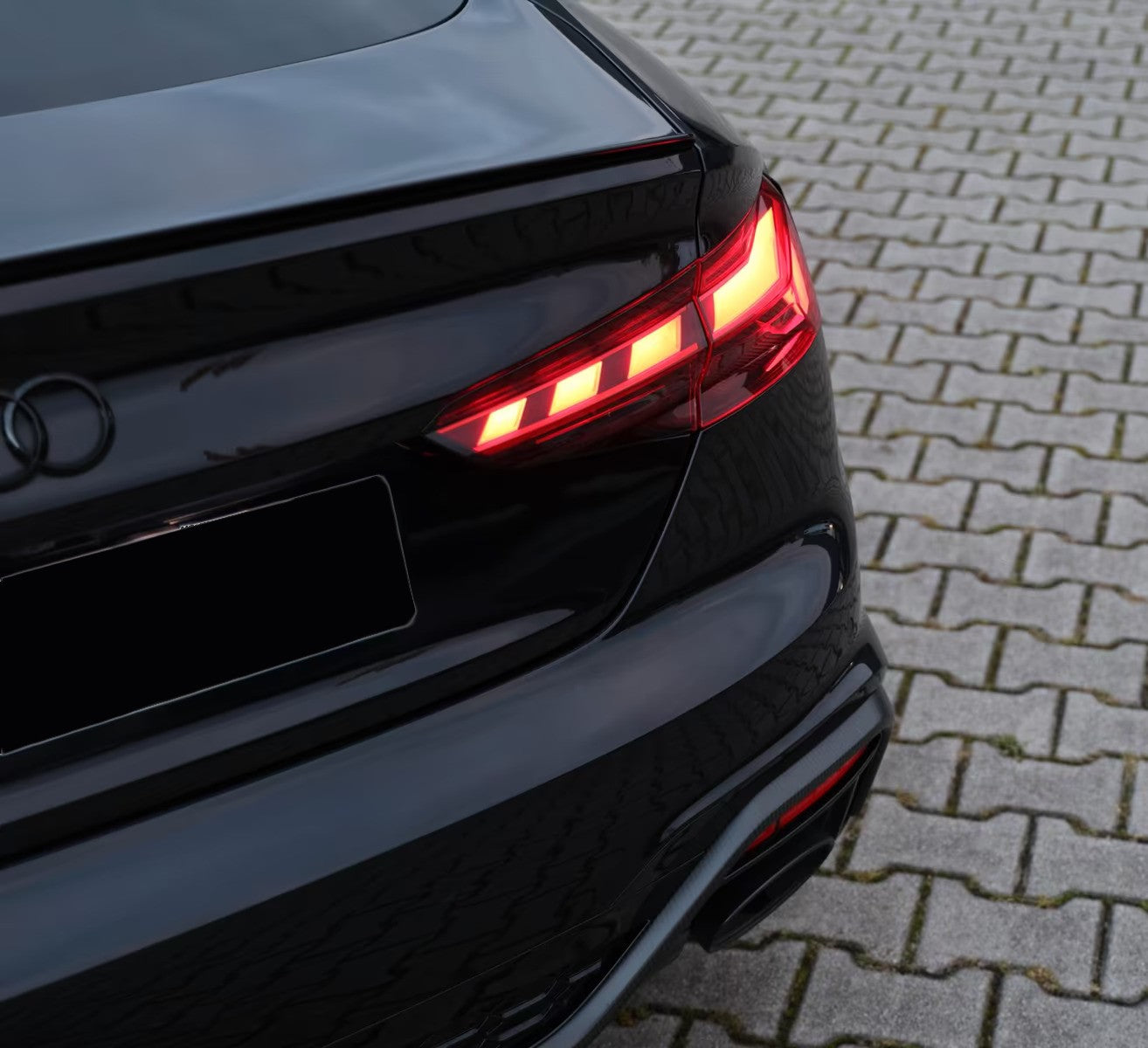


The Audi A3 8L was a turning point for the Ingolstadt brand. Launched in 1996, it represented Audi's bold move into the compact premium segment — a space previously dominated by the likes of the BMW 3 Series and Mercedes C-Class. Built on the Volkswagen Group PQ34 platform, the A3 8L shared its underpinnings with the Golf Mk4, but wrapped them in a sharper, more upmarket package that appealed to a new generation of European car buyers.
For used car shoppers in the US, the Audi A3 8L is an increasingly attractive classic. It's affordable, parts are widely available through the VAG ecosystem, and the driving experience still holds up well today. Whether you're eyeing the peppy 1.8T, the frugal 1.9 TDI, or the fire-breathing S3 with its 225 hp turbocharged engine, there's a version for almost every budget and driving style.
This guide covers everything you need to know about Audi A3 8L reliability: common problems by engine, maintenance costs, key parts to watch, and how to avoid buying a lemon.
Parts & Accessories
Your Audi A3 8L deserves better.
Hand-picked performance and replacement parts — ready to ship.
Shop Audi A3 8L parts →History and Versions
The Audi A3 8L was produced from 1996 to 2003, with a light facelift introduced in 2000 that brought updated headlights, revised bumpers, and minor interior improvements. It was sold exclusively as a 3-door hatchback until 1999, when a 5-door Sportback body style was added for select markets.
Engine options ranged from modest naturally aspirated units to turbocharged performance variants. The range-topping S3, introduced in 1999, brought quattro all-wheel drive and 225 hp to the compact class. A Quattro drivetrain was also optionally available on the 1.8T 180 hp variant.
The 8L generation was replaced by the Audi A3 8P in 2003.
| Engine | Displacement | Power | Torque | 0-60 mph | Notes |
|---|---|---|---|---|---|
| 1.6 — AEH/AKL | 1.6L naturally aspirated | 101 hp | 107 lb-ft | 11.4 s | Base engine, frugal and simple |
| 1.8 — AGN | 1.8L naturally aspirated | 125 hp | 121 lb-ft | 9.5 s | Solid mid-range option |
| 1.8T — AGU/ARZ | 1.8L turbocharged | 150 hp | 155 lb-ft | 8.4 s | Most popular petrol choice |
| 1.8T — AJQ/ARY | 1.8L turbocharged | 180 hp | 173 lb-ft | 7.5 s | Sport variant, Quattro available |
| 1.8T — BAM | 1.8L turbocharged | 225 hp | 207 lb-ft | 6.8 s | S3 engine, AWD only |
| 1.9 TDI — AGR/ALH | 1.9L turbodiesel | 90 hp | 148 lb-ft | 12.3 s | Economy standout, very reliable |
| 1.9 TDI — AHF/ASV | 1.9L turbodiesel | 110 hp | 173 lb-ft | 10.5 s | PD unit, strong torque |
How to Check a Used Audi A3 8L's History
Before buying a used Audi A3 8L, it is essential to ensure full transparency about its past. Undisclosed accidents can hide poor-quality repairs that directly compromise the safety of the driver and passengers.
On the A3 8L specifically, the risks are real and sometimes invisible to the naked eye. A repaired front-end collision, for example, may have left the subframe misaligned, affecting steering geometry and tire wear patterns. In more serious cases, airbags may not have been replaced after deployment — a critical safety defect that only surfaces in a subsequent accident. The suspension components and trailing arms are also prone to damage in low-speed impacts and are sometimes hastily repaired without proper alignment checks. It is therefore strongly recommended to check the vehicle's complete history using its license plate or VIN number before making any purchase decision.
Get an instant 20% discount to access a vehicle's full past with total transparency via carVertical by clicking this link or on the banner below:

Key Strengths
The Audi A3 8L punches well above its weight as a used buy, and for good reason.
First, the parts availability is exceptional. Because the 8L shares its platform and many components with the Golf Mk4, Seat Leon Mk1, and Skoda Octavia Mk1, sourcing replacement parts — whether OEM or aftermarket — is easy and cost-effective.
Second, the 1.8T engine family (specifically the EA113 codes) is one of the most well-documented and tuner-friendly engines Volkswagen Group ever produced. For those interested in performance upgrades, the community support is enormous.
Third, build quality on the 8L is genuinely solid for its era. The interior materials, switchgear, and panel gaps are noticeably better than many competitors of the time. Mechanically, well-maintained examples can easily surpass 150,000 to 200,000 miles without major drama.
Finally, the S3 variant offers a genuinely exciting driving experience that remains rare and relatively affordable in today's used market.
Known Reliability Issues
1.8T (150 hp / 180 hp) — AGU / ARY / AUQ / BAM
The 1.8T in its various states of tune is the most popular engine in the A3 8L lineup, and also the one with the most documented issues. Most of these problems are well understood and affordable to fix — but they need to be on your radar.
Oil sludge buildup is the most serious recurring issue. When oil change intervals are stretched beyond 5,000 miles or the wrong oil specification is used, sludge accumulates in the engine and can starve the camshaft and variable valve timing components. Severity: Critical. Typical appearance: 50,000–80,000 miles on neglected examples.
Timing belt and tensioner failure is another major concern. The 1.8T uses a timing belt (not a chain), and if it snaps, the result is catastrophic engine damage. Recommended replacement interval is every 60,000 miles or 4 years. Severity: Critical. Always verify the belt history before buying.
Boost pressure leaks from cracked or deteriorated vacuum hoses and the diverter valve are extremely common. Symptoms include stuttering under acceleration and reduced power. Severity: Minor to Moderate. Typical appearance: 60,000–100,000 miles.
Coolant system failures — including a cracked coolant expansion tank and failing coolant temperature sensor — are frequent. The plastic tank becomes brittle with age and heat cycling. Severity: Moderate. Typical appearance: 70,000–120,000 miles.
S3 — BAM
The S3's BAM engine shares the same 1.8T architecture but in a higher state of tune. All the issues above apply, with a few additional concerns.
Turbocharger wear is more pronounced given the higher boost pressures. Listen for turbo whistle or excessive lag at higher mileages. Severity: Moderate. Typical appearance: 80,000–120,000 miles.
Quattro drivetrain components, including the Haldex coupling (first generation), require their own fluid change every 30,000 to 40,000 miles. A neglected Haldex results in poor AWD engagement and, in advanced cases, complete coupling failure. Severity: Moderate to Critical. Typical appearance: 60,000–100,000 miles.
Rear differential and driveshaft wear is also more common on the S3 than front-wheel-drive variants, particularly on vehicles used spiritedly. Severity: Moderate. Typical appearance: 90,000–130,000 miles.
1.9 TDI — AGR / ALH / AHF / ASV
The 1.9 TDI is widely considered the most reliable engine in the A3 8L range. It is simple, fuel-efficient, and extremely durable when properly maintained.
EGR valve clogging is the most common issue. Carbon deposits build up in the EGR valve and intake manifold, causing rough idle and reduced performance. Severity: Minor to Moderate. Typical appearance: 80,000–120,000 miles.
Timing belt failure is equally critical on TDI engines — the consequences are the same as the petrol units. Intervals are strictly 60,000 miles on these engines. Severity: Critical.
For a deeper look at this engine family's history and tuning potential, see our Audi EA189 Engine Guide: Reliability, Common Problems & Tuning Potential.
1.6 — AEH / AKL
The base 1.6 naturally aspirated engine is mechanically simple and very forgiving. It lacks the performance of the 1.8T but is arguably the most hassle-free option.
Valve stem seal wear leads to blue smoke on startup in high-mileage examples. Severity: Minor to Moderate. Typical appearance: 100,000–150,000 miles.
Distributor cap and ignition component degradation is common in vehicles that haven't had regular tune-ups. Severity: Minor. Typical appearance: 70,000–100,000 miles.
Chassis Issues
Front control arm bushings degrade with age and mileage on all variants. Worn bushings cause vague steering, clunking over bumps, and poor handling. Severity: Moderate. Typical appearance: 70,000–100,000 miles.
Rear beam axle bushings on front-wheel-drive models also wear progressively, leading to rear-end noise and instability under braking. Severity: Moderate. Typical appearance: 80,000–120,000 miles.
Anti-roll bar drop links are a very common wear item and inexpensive to replace, but they generate distracting knocking noises when worn. Severity: Minor. Typical appearance: 60,000–90,000 miles.
Electronics and Software
The A3 8L predates complex infotainment systems, which is actually a reliability advantage. However, a few electrical gremlins are worth knowing.
Central locking pump failure is common. The pump, located in the trunk, weakens over time and fails to lock or unlock all doors consistently. Severity: Minor.
Instrument cluster failures — specifically the speedometer needle dropping to zero intermittently — have been reported, often caused by a failing vehicle speed sensor or instrument cluster solder joints. Severity: Minor to Moderate.
Window regulator failure affects most 8L examples eventually. The plastic clips in the regulator mechanism crack, leaving windows inoperable. Severity: Minor. Typical appearance: 80,000+ miles.
Maintenance and Servicing
The Audi A3 8L is relatively affordable to maintain by European premium car standards, especially given its shared parts base with the wider VAG group.
Oil changes should be performed every 5,000 miles maximum on the 1.8T — not the longer intervals some owners follow. Use a VW 502.00 specification fully synthetic oil. Typical cost: $60–$90 with a quality filter.
Timing belt replacement is the single most important service on both petrol and diesel variants. Include the water pump, tensioner, and idler pulleys in the same job. Typical cost: $300–$600 depending on the workshop.
Spark plugs on the 1.8T should be replaced every 30,000–40,000 miles. Use the correct heat range — cheap plugs can cause misfires and long-term cylinder issues. Typical cost: $40–$80.
Haldex fluid service on S3 and 1.8T Quattro models: every 30,000 to 40,000 miles. Typical cost: $80–$150.
Brake fluid should be flushed every 2 years regardless of mileage, as it absorbs moisture and loses effectiveness. Typical cost: $60–$100.
Overall annual maintenance cost for a well-maintained A3 8L: $400–$800, making it one of the more affordable premium compacts to run.
Parts to Watch / Replace First
When buying or maintaining an Audi A3 8L, these are the components most likely to need attention:
Timing belt kit — Includes the belt, tensioner, idler, and water pump. Non-negotiable replacement item if history is unknown. Critical safety component.
Coolant expansion tank — The original plastic tank becomes brittle and cracks with age. A cheap and easy preventive replacement before it fails and causes overheating.
Diverter valve — The OEM diverter valve on the 1.8T is notorious for cracking. An aftermarket uprated valve prevents boost leaks and restores throttle response.
Front control arm bushings — These wear silently but dramatically affect handling and safety. Replace as a pair with the arms if heavily worn.
Haldex filter and fluid (S3 / Quattro) — Often neglected, critical for AWD function. Replace immediately if history is unknown.
EGR valve (TDI models) — Prone to carbon clogging. Cleaning or replacement restores idle quality and economy.
Window regulators — The plastic clips fail on almost every 8L eventually. Inexpensive to replace and worth doing proactively.
Anti-roll bar drop links — Cheap wear items that cause disproportionate noise when worn. Easy DIY job.
Ignition coil packs — On the 1.8T, coils can fail individually, causing misfires. Replace all four at once when one goes.
FAQ
Is the Audi A3 8L reliable?
The A3 8L is generally considered reliable for its age, especially when properly maintained. The 1.9 TDI and 1.6 variants are the most trouble-free, while the 1.8T is reliable when oil change intervals are respected and the timing belt is kept up to date. Neglected examples can be expensive, but well-maintained cars are genuinely solid.
What is the best engine option in the Audi A3 8L?
It depends on your priorities. For reliability and low running costs, the 1.9 TDI (110 hp) is hard to beat. For a balance of performance and practicality, the 1.8T 150 hp is the sweet spot. For the ultimate driving experience, the S3 (225 hp) with Quattro is exceptional — but requires more diligent maintenance.
How many miles will an Audi A3 8L last?
A well-maintained A3 8L can comfortably reach 150,000 to 200,000 miles. TDI examples are known to go even further with proper servicing. The key factors are oil change frequency, timing belt history, and coolant system condition.
Is the Audi A3 8L expensive to maintain?
No, it's one of the more affordable premium compacts to own. Annual maintenance typically runs $400–$800. Parts costs are kept low by the car's shared platform with VW, Seat, and Skoda. Major jobs like a timing belt service ($300–$600) are the biggest ticket items.
What should I check before buying an Audi A3 8L?
Always verify the timing belt service history, check for oil sludge by inspecting the oil cap and dipstick, look for coolant leaks around the expansion tank, and test the central locking and window regulators. On S3 and Quattro models, confirm the Haldex fluid has been changed. A full VIN history check and pre-purchase inspection are strongly recommended.
Is the Audi S3 8L worth buying?
The S3 8L is a compelling used buy for enthusiasts. The 225 hp 1.8T with Quattro is genuinely fast for its era and remains engaging to drive. However, it needs attentive maintenance — especially the Haldex coupling, turbocharger, and timing belt. Budget for higher running costs compared to the standard 1.8T, and ensure service history is complete.
Conclusion
The Audi A3 8L earns a solid 7.5 out of 10 for reliability in the used car market. It is a well-engineered compact premium hatchback that rewards attentive ownership with years of dependable service. The 1.9 TDI is the pick for longevity, the 1.8T is the balanced all-rounder, and the S3 is the enthusiast choice — provided you treat it with the care it deserves. If you're shopping for A3 8L parts or need to refresh key components before a long ownership stint, browse the catalog to find everything you need to keep yours running at its best.