

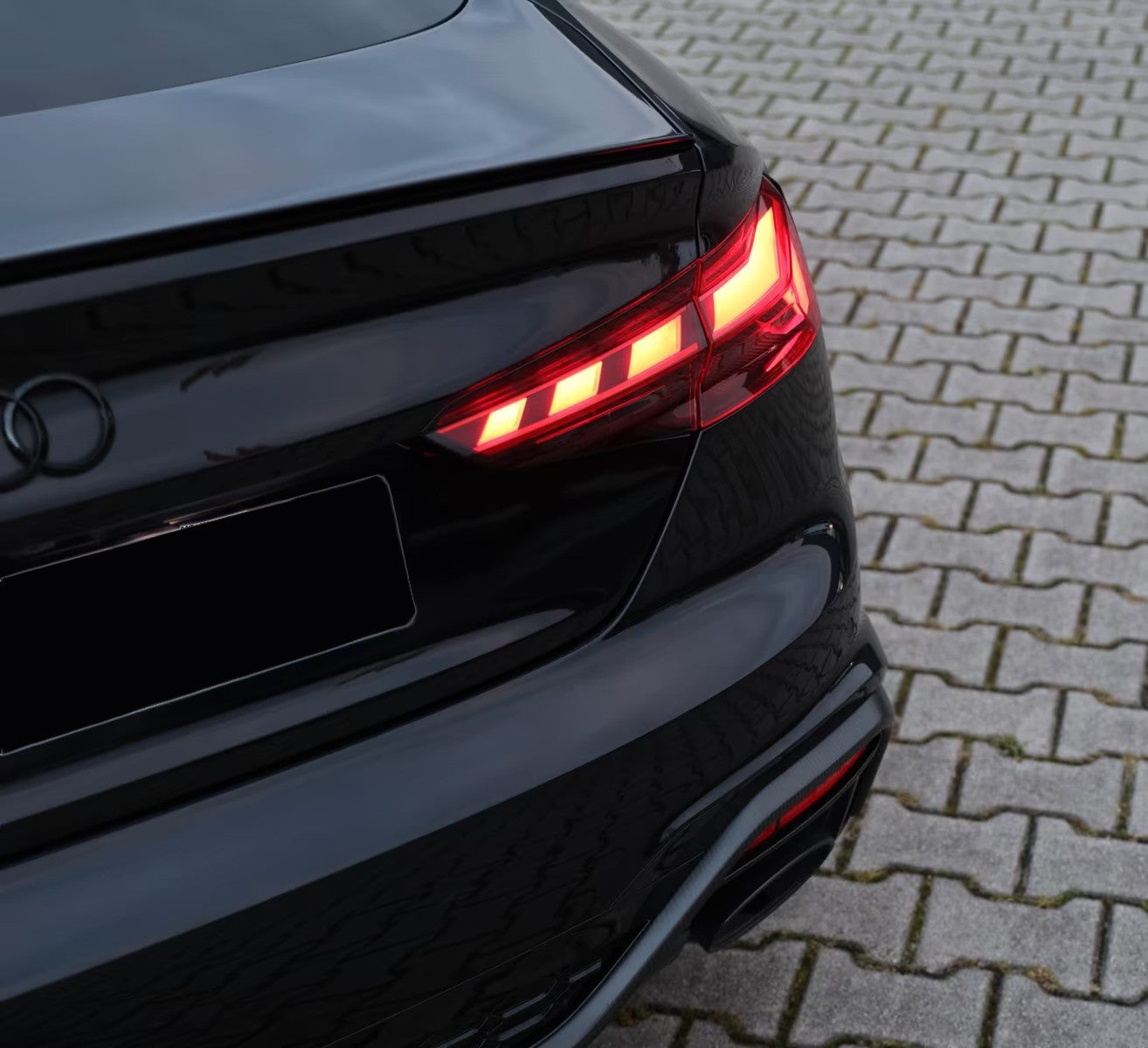


The Audi A4 B7 is one of the most sought-after used European sedans on the American market, and for good reason. Produced between 2004 and 2008, this generation sits at the sweet spot between accessible pricing and premium feel, offering the kind of build quality and driving refinement that made Audi's reputation in the mid-2000s. Whether you're eyeing the base 2.0T FSI or the fire-breathing RS4 with its 4.2L V8, the B7 platform has something for nearly every type of driver.
But like any used European vehicle, the A4 B7 comes with its share of quirks and failure points that every potential buyer should know about before handing over the keys. Oil consumption or suspension wear are just a few topics that come up repeatedly in the community.
This guide breaks down the B7's key strengths, its most common reliability problems by engine and system, what it costs to maintain, and which parts to watch closely — so you can buy with confidence and keep your A4 running strong for years to come.
Parts & Accessories
Your Audi A4 deserves better.
Hand-picked performance and replacement parts — ready to ship.
Shop Audi A4 parts →History and Versions
The Audi A4 B7 debuted in late 2004 as a significant refresh of the B6 platform, sharing its architecture but bringing updated styling, revised suspension tuning, and expanded engine options. It was sold in the US as a 2005.5 to 2008 model year vehicle, available in sedan (saloon) and Avant (wagon) body styles, as well as the high-performance S4 and RS4 variants.
The B7 lineup leaned heavily on Audi's then-new FSI direct injection technology, improving fuel efficiency and power across the range. The quattro all-wheel drive system was available on most trims and remains one of the platform's biggest selling points today.
| Engine | Displacement | Power | Torque | 0-60 mph | Notes |
|---|---|---|---|---|---|
| 2.0T FSI | 2.0L I4 | 200 hp | 207 lb-ft | 7.2 sec | Most common US variant |
| 3.2 FSI | 3.2L V6 | 255 hp | 243 lb-ft | 5.9 sec | Smooth, less common |
| 4.2 V8 (S4) | 4.2L V8 | 340 hp | 302 lb-ft | 5.1 sec | Balanced performance S model |
| 4.2 V8 (RS4) | 4.2L V8 | 420 hp | 317 lb-ft | 4.6 sec | High-revving, driver's car |
| 2.0 TDI | 2.0L I4 Diesel | 140 hp | 236 lb-ft | 9.5 sec | Europe/export markets only |
How to Check a Used Audi A4 B7's History
Before buying a used Audi A4 B7, it is essential to ensure full transparency about its past. Undisclosed accidents can hide poor-quality repairs that directly compromise the safety of the driver and passengers.
The B7 A4's unibody construction means that even a moderate collision can cause invisible damage to the structural rails or firewall — areas no casual inspection will reveal. A hastily repaired front-end impact, for example, could leave the subframe misaligned, the airbag system unreset, or the steering rack subtly bent, all of which create serious handling and safety risks. Given that many B7s on the used market are now 15+ years old and may have passed through several owners, there is a real chance that accident history has simply been omitted. It is therefore strongly recommended to check the vehicle's complete history using its license plate or VIN number before making any purchase decision.
Get an instant 20% discount to access a vehicle's full past with total transparency via carVertical by clicking this link or on the banner below:

Key Strengths
The Audi A4 B7 has a lot going for it as a used buy, even at its age. The quattro AWD system is genuinely robust and provides real-world confidence in poor weather conditions — a meaningful advantage over front-wheel-drive rivals.
The interior build quality remains impressive for a vehicle of this era. Switchgear, fit and finish, and seat comfort have aged well, making the B7 feel far more substantial than comparably priced Japanese alternatives.
The 2.0T FSI engine, when properly maintained, is a durable and tuneable powerplant that responds well to minor modifications. The platform also benefits from a large and active enthusiast community, meaning parts availability, DIY support, and specialist knowledge are all widely accessible.
Finally, the S4 variant offers near-supercar performance figures at a used price point that continues to represent outstanding value, making it one of the most compelling performance bargains in the European used market segment.
Known Reliability Issues
2.0T FSI — BWT / BPY
The 2.0T FSI is by far the most common engine in the B7 A4 and also the one with the most documented issues. The most critical is carbon buildup on the intake valves, a direct consequence of direct injection technology. Without port injection to clean the valves, carbon deposits accumulate steadily and can cause rough idle, misfires, and power loss, typically appearing between 60,000 and 80,000 miles. A walnut blasting service is the standard fix.
High-pressure fuel pump (HPFP) failure is also common. Symptoms include hard starts, hesitation under load, and fault codes related to fuel pressure. Severity: Moderate to Critical. Typical onset: 60,000–100,000 miles.
PCV (positive crankcase ventilation) system failure leads to oil consumption and blue smoke on startup. The plastic diaphragm inside the valve cracks with age. Severity: Moderate. Typical onset: 70,000–90,000 miles.
3.2 FSI — AUK
The 3.2L V6 is a smoother, more refined option but shares some traits with the 2.0T. Carbon buildup is also a concern here, though generally less severe. The main watch point is the chain tensioner and guide rails, which can wear over time. Severity: Moderate. Typical onset: 80,000–100,000 miles.
The thermostat housing is a known weak point and tends to crack or leak, causing coolant loss and overheating risk. Severity: Moderate. Typical onset: 60,000–80,000 miles.
S4 — 4.2 V8 BBK
The S4's 4.2L V8 is a characterful, high-revving engine, but it demands serious maintenance attention. The most notorious issue is timing chain guide failure. The plastic guides deteriorate and can shatter, sending debris through the engine. This is a Critical failure mode and represents the single biggest ownership risk of the B7 S4. Typical onset: 60,000–100,000 miles. Many owners replace the guides proactively.
Valve stem seal wear causes oil consumption and blue smoke under cold start or deceleration. While not immediately catastrophic, it tends to worsen progressively. Severity: Moderate. Typical onset: 80,000–120,000 miles.
Front differential and rear differential seals are known to leak on high-mileage examples. Severity: Minor to Moderate. Typical onset: 80,000+ miles.
RS4 — 4.2 V8 BNS
The RS4's high-revving 4.2L shares many characteristics with the S4 unit but adds complexity due to its individual throttle bodies and dual variable valve timing. The throttle bodies require periodic cleaning and recalibration, and failures here can cause erratic idle and hesitation. Severity: Moderate. Typical onset: 60,000–80,000 miles.
Timing chain guides are equally critical here. The RS4 also suffers from rod bearing wear, especially on examples that have been driven hard or that have had irregular oil changes. Severity: Critical. Typical onset: 80,000–120,000 miles.
Chassis Issues
Control arm bushings on all B7 variants are a maintenance staple. They wear and crack with age, causing vague steering and clunking over bumps. Severity: Moderate. Typical onset: 60,000–80,000 miles. A full front control arm kit replacement is the standard approach.
Rear subframe and trailing arm bushings also wear predictably on higher-mileage cars, affecting rear-end stability. Severity: Moderate. Typical onset: 80,000–100,000 miles.
Electronics and Software
The Multi Media Interface (MMI) system in the B7 is aging and can exhibit slow response, frozen screens, or complete failure of the navigation unit. Severity: Minor. Typical onset: Any mileage, mostly age-related.
Instrument cluster pixel failure is a well-documented problem — rows of pixels in the LCD display go dead over time. This is primarily cosmetic but affects readability. Severity: Minor. Typical onset: Any mileage, typically after 10 years.
Window regulator failure (particularly the driver's side) is extremely common across all B7 variants. The plastic clips break and the window drops into the door. Severity: Minor. Typical onset: 60,000–80,000 miles.
Maintenance and Servicing
The A4 B7 follows an oil service interval of roughly 10,000 miles, though many specialists recommend 5,000–7,500 miles for the 2.0T FSI to help manage carbon buildup and protect the timing chain.
Oil specification matters: use only VW 502.00 or 504.00 approved full-synthetic oil (typically 5W-40 or 5W-30). Using the wrong viscosity can accelerate wear on the chain tensioner and HPFP internals.
Spark plugs should be replaced every 40,000 miles on the FSI engines — longer intervals risk coil pack stress.
Coolant flush is recommended every 3–4 years, as Audi's G12 coolant degrades and becomes corrosive over time.
Average service costs at an independent specialist range from $150–$250 for a basic oil service to $600–$1,200 for a major service including filters, plugs, and brake fluid. A timing chain service on the S4/RS4 V8 can run $1,500–$3,500 depending on parts replaced.
Parts to Watch / Replace First
Timing chain tensioner — The single most critical item on both V8 engines. Replace proactively if the service history is unclear.
PCV valve / breather diaphragm — Cheap to replace and commonly overlooked. Prevents oil consumption and intake contamination on the 2.0T.
High-pressure fuel pump (HPFP) — A known failure item on the FSI engines. Check for hard-start symptoms and fuel pressure codes before purchase.
Front lower control arms — Bushings and ball joints wear predictably. A full arm replacement is often more economical than rebuilding the originals.
Thermostat and coolant hoses — Inspect for seeping, cracking, or discoloration around fittings. Preventive replacement is inexpensive insurance.
Window regulators — Especially the front driver and passenger sides. Plastic clip failure is nearly universal on older B7s.
Brake master cylinder — Can develop internal leaks over time, resulting in a spongy pedal. Check before any test drive.
FAQ
Is the Audi A4 B7 reliable?
The B7 A4 is moderately reliable when properly maintained, but it rewards attentive ownership more than neglect. The 2.0T FSI has several known weak points — timing chain tensioner, HPFP, carbon buildup — that can become expensive if ignored. A well-documented service history makes a significant difference when evaluating any B7.
What is the best engine option in the B7 A4?
For daily use, the 2.0T FSI is the most practical choice given parts availability and lower running costs, provided the timing chain and HPFP have been addressed. For driving enthusiasts with a larger budget, the S4's 4.2L V8 offers a rewarding experience — just budget for the timing chain guides upfront.
How many miles will an Audi A4 B7 last?
A well-maintained B7 can realistically reach 150,000–200,000 miles, with some examples going further. The key variables are oil change frequency, timing chain maintenance, and whether the carbon buildup on FSI engines has been cleaned periodically. Neglected examples often see major failures before 100,000 miles.
Is the Audi A4 B7 expensive to maintain?
It is more expensive than Japanese alternatives but competitive within the European segment. Routine maintenance at an independent Audi specialist costs $300–$600 per year for typical use. The cost spikes when timing chain work, suspension overhauls, or HPFP replacement becomes necessary — which is why pre-purchase inspection and clear service history are so important.
What mileage should I avoid when buying a used B7 A4?
Be cautious around cars in the 80,000–100,000 mile range without documented timing chain service, fresh control arms, or a clean HPFP history. This mileage bracket is where deferred maintenance tends to collide with mechanical reality. Ironically, a well-maintained 120,000-mile example with receipts can be a safer buy than an under-documented 60,000-mile car.
Is the RS4 B7 worth buying as a daily driver?
The RS4 is an exceptional driver's car but a demanding daily. Rod bearing wear, throttle body maintenance, and the complexity of its V8 make it best suited to owners who are comfortable with regular specialist involvement. If you have the budget and mechanical interest, it is one of the most rewarding used European performance cars available — but it is not a set-and-forget proposition.
Conclusion
The Audi A4 B7 earns a reliability score of 6.5 out of 10 — solid fundamentals held back by a handful of engine-specific issues that require proactive management. Buy one with a full service history, address the timing chain and suspension on arrival, and it will reward you with years of premium, engaging driving. Browse our parts catalog to find everything you need to keep your B7 in top condition.