

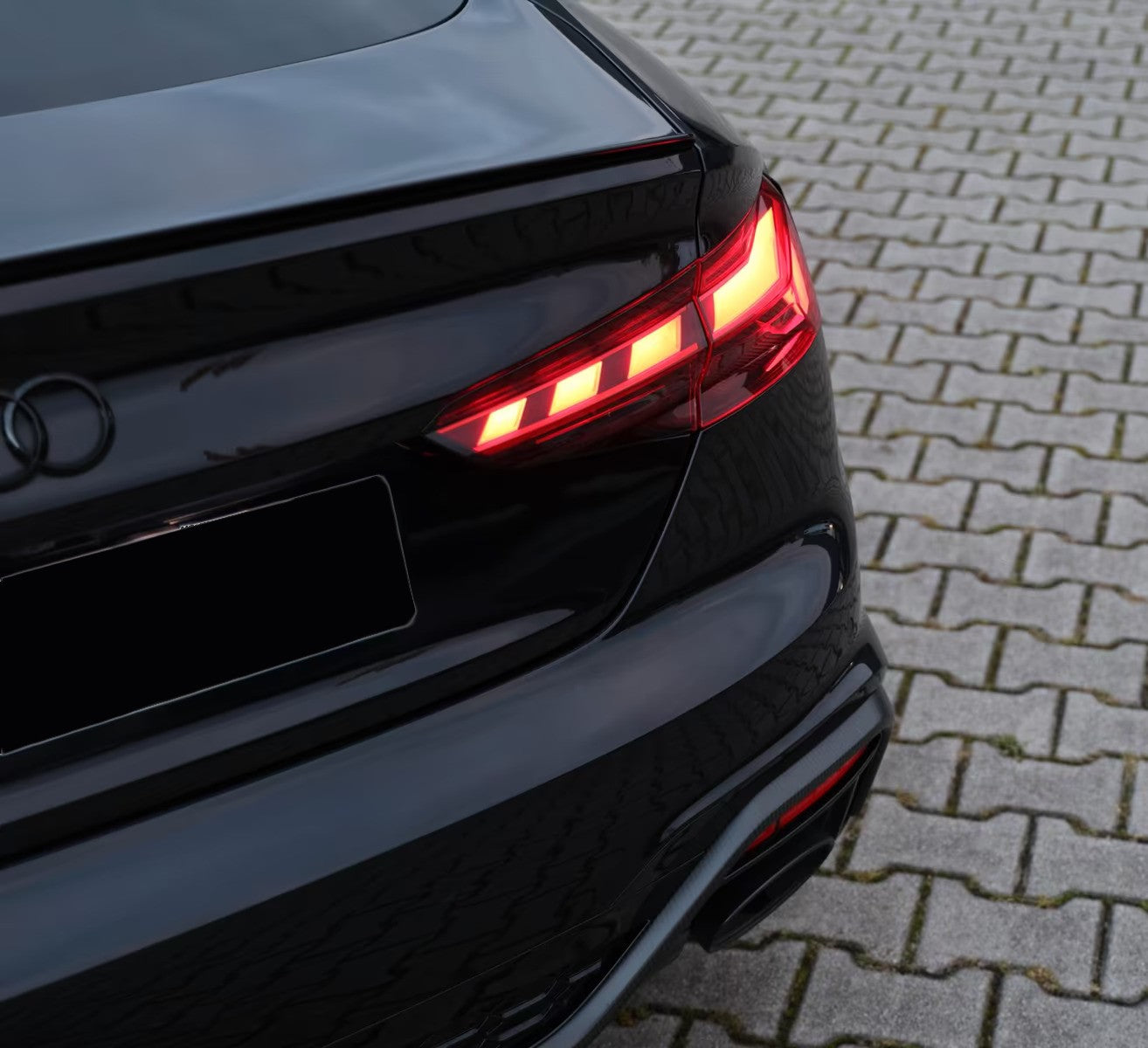


The Audi A8 D3 is one of the most ambitious luxury sedans ever produced by Ingolstadt. Launched in 2002 as the successor to the original D2 generation, it represented a bold leap forward in engineering — featuring an all-aluminum space frame body (ASF), a broad engine lineup stretching from efficient V6 diesels to a monstrous 6.0L W12, and a level of technology that rivaled Rolls-Royce and Mercedes S-Class at a fraction of the price.
Today, the D3 occupies a unique position in the used car market: it offers flagship-level comfort, Quattro all-wheel drive, and genuine executive presence for surprisingly accessible money. But that low purchase price often masks a significant ownership cost — one that catches unprepared buyers off guard.
This guide covers everything a prospective buyer needs to know: engine-specific reliability data, common failure points, maintenance costs, and the parts most likely to need attention. Whether you're shopping for a daily driver or a weekend cruiser, this is the definitive resource before signing any paperwork on an Audi A8 D3.
Parts & Accessories
Your Audi A8 D3 deserves better.
Hand-picked performance and replacement parts — ready to ship.
Shop Audi A8 D3 parts →History and Versions
The Audi A8 D3 (internal code: 4E) was produced from 2002 to 2010, with a mid-cycle facelift arriving in 2005. It was available in standard and long-wheelbase (L) versions, catering to both chauffeur-driven and owner-driven buyers.
The engine range was exceptionally wide, spanning V6, V8, V10, W12 petrol units and a V6 TDI diesel. The flagship S8 variant, introduced in 2006, used a high-revving 5.2L V10 FSI engine shared with the Lamborghini Gallardo.
A facelifted model arrived in late 2005 with revised styling, updated MMI navigation, and improved suspension calibration. Production ended in 2010 when the D4 generation took over.
| Engine | Displacement | Power | Torque | 0-60 mph | Notes |
|---|---|---|---|---|---|
| 3.0 TDI V6 | 2,967 cc | 233 hp | 369 lb-ft | 6.9 s | Most economical, common in Europe |
| 4.2 TDI V8 | 4,134 cc | 326 hp | 590 lb-ft | 5.9 s | Strong diesel option, good longevity |
| 3.2 FSI V6 | 3,123 cc | 255 hp | 243 lb-ft | 7.1 s | Entry petrol, smooth but underpowered |
| 4.2 FSI V8 | 4,163 cc | 335 hp | 317 lb-ft | 5.9 s | Most balanced petrol choice |
| 6.0 W12 | 5,998 cc | 444 hp | 413 lb-ft | 5.0 s | Flagship, complex and expensive to maintain |
| 5.2 V10 FSI (S8) | 5,204 cc | 450 hp | 398 lb-ft | 4.9 s | High-revving, shares DNA with Lamborghini Gallardo |
How to Check a Used Audi A8 D3's History
Before buying a used Audi A8 D3, it is essential to ensure full transparency about its past. Undisclosed accidents can hide poor-quality repairs that directly compromise the safety of the driver and passengers.
The A8 D3's aluminum space frame construction makes collision damage particularly deceptive. Unlike conventional steel bodies, ASF repairs require specialist equipment and trained technicians — a botched repair may leave the structure weakened while looking visually correct. Beyond bodywork, unreplaced airbags, hastily patched air suspension components, or undisclosed electrical damage to the complex MMI control module can all be invisible to the naked eye during a standard viewing. It is therefore strongly recommended to check the vehicle's complete history using its license plate or VIN number before making any purchase decision.
Get an instant 20% discount to access a vehicle's full past with total transparency via carVertical by clicking this link or on the banner below:

Key Strengths
The Audi A8 D3 remains one of the most compelling used luxury buys for several reasons.
First, the all-aluminum body keeps weight low for a car of its size, which benefits both performance and fuel economy. The structure is also highly resistant to corrosion, a rare advantage for a vehicle of this age.
Second, the Quattro drivetrain across most variants delivers exceptional all-weather capability and a level of mechanical confidence that rear-wheel-drive rivals simply cannot match in everyday conditions.
Third, the sheer breadth of the engine range means there is a D3 for every preference — from the torque-rich 4.2 TDI for long-distance comfort to the screaming S8 V10 for performance enthusiasts.
Finally, the D3's depreciation curve has largely flattened, meaning that a well-maintained example today represents genuine value. Comfort, technology, and presence that was once the preserve of six-figure new-car buyers can now be had for a fraction of that cost — provided maintenance has been kept up to date.
Known Reliability Issues
3.0 TDI V6 — ASB / BMK / BNG
Timing belt tensioner failure — The timing belt on these V6 TDI units is a known weak point. Tensioner and idler pulley wear can lead to catastrophic belt failure if the service interval is exceeded. Severity: Critical. Typically appears from 80,000 to 120,000 miles if neglected.
EGR valve clogging — Heavy carbon buildup in the EGR valve and intake manifold is common, leading to rough idle, loss of power, and increased fuel consumption. Severity: Moderate. Usually appears from 70,000 miles onward.
Turbocharger oil feed line blockage — Sludge buildup in the turbo oil supply line can starve the turbo of lubrication. Regular oil changes with the correct specification oil are essential to prevent this. Severity: Moderate. Appears from 90,000 miles if service intervals are stretched.
4.2 TDI V8 — ASE / BVN
Timing chain tensioner wear — The 4.2 TDI uses a chain rather than a belt, but early tensioners can lose pressure, causing timing chain rattle on cold starts. This is a well-documented issue that should be inspected on any high-mileage example. Severity: Critical. Typically from 100,000 miles.
Injector seal failure — Carbon deposits and heat cycling can degrade the injector copper sealing washers, leading to combustion gas leaks and hard starting. Severity: Moderate. Common from 80,000 miles onward.
Oil consumption — Some 4.2 TDI units consume more oil than expected between services, often due to worn valve stem seals. Always check the dipstick when buying. Severity: Moderate. Appears gradually from 80,000 to 100,000 miles.
4.2 FSI V8 — BAT / BFM / BVJ
Carbon buildup on intake valves — As a direct injection engine, the 4.2 FSI does not wash its intake valves with fuel. Carbon deposits accumulate over time, restricting airflow and causing rough idle and power loss. Severity: Moderate. Typically evident from 60,000 to 80,000 miles.
Timing chain service — The timing chain system on the 4.2 FSI has multiple tensioners and guides. Worn tensioners produce a characteristic rattle on startup. Chains and guides should be replaced proactively on high-mileage cars. Severity: Critical if ignored. Appears from 100,000 miles.
Camshaft adjuster (VANOS) wear — The variable valve timing actuators can wear internally, causing rough running and error codes. Severity: Moderate. Common from 80,000 miles.
6.0 W12 — BHT
Oil consumption and sludging — The W12 is thirsty on oil and highly sensitive to extended service intervals. Sludge buildup can block oil passages and accelerate wear on the timing chain system. Severity: Critical if oil is not changed every 5,000 to 7,500 miles. Appears at any mileage on poorly maintained cars.
Cooling system complexity — With essentially two V6 engines sharing a single cooling circuit, the W12 cooling system is complex. Water pump failure, coolant hose degradation, and thermostat faults are common on high-mileage cars. Severity: Moderate to Critical. Typically from 80,000 miles.
Gearbox service — Many W12 examples use the 6-speed Tiptronic gearbox, which is generally robust, but fluid changes are mandatory and often skipped by previous owners. Severity: Moderate. Affects cars from 60,000 miles onward.
S8 — 5.2 V10 FSI (BXA)
Carbon buildup on intake valves — Like the 4.2 FSI, the V10 FSI suffers heavily from intake valve deposits due to direct injection. A walnut blast cleaning is typically needed every 50,000 to 60,000 miles. Severity: Moderate.
Throttle body failure — The S8 uses ten individual throttle bodies, and any one can fail, causing misfires and rough idle. Replacements are expensive. Severity: Moderate to Critical. Appears from 80,000 miles.
High maintenance cost baseline — Simply servicing the S8 is expensive. Oil changes require approximately 10 liters of full synthetic, spark plugs number ten, and labor hours are high across the board. Budget accordingly. Severity: Ongoing.
Chassis Issues
Air suspension (Audi Adaptive Air Suspension) failure — The D3's air suspension is one of the first items to fail on older examples. Air struts develop leaks, the compressor overworks and burns out, and ride height sensors fail. Cars sitting low at one corner are a common sight. Severity: Moderate to Critical. Very common from 80,000 miles.
Control arm bushings — Front control arm bushings and ball joints wear noticeably, producing vague steering and clunking over bumps. Severity: Moderate. Typically from 60,000 to 80,000 miles.
Electronics and Software
MMI (Multi Media Interface) unit failure — The first-generation MMI system used in the D3 is prone to hard drive failure, screen dimming, and complete unit lockup. Replacements are available but must be coded to the vehicle. Severity: Minor to Moderate. Common on cars over 10 years old regardless of mileage.
Instrument cluster pixel failure — The VDO instrument cluster can develop dead pixel rows in the display, making certain readings illegible. This is a widespread issue across many Audi VAG models of this era. Severity: Minor. Appears from any age.
Central locking module faults — Comfort/central locking module failures can cause doors to fail to lock or unlock, windows to misbehave, and alarm malfunctions. Severity: Minor to Moderate. Common on older examples.
Maintenance and Servicing
The Audi A8 D3 demands a disciplined maintenance schedule. This is not a car that tolerates extended intervals or budget shortcuts.
Oil and filter changes should be performed every 7,500 miles maximum for petrol engines and every 10,000 miles for diesel variants, using only VW 502.00 or 507.00 specification full synthetic oil. The W12 and V10 S8 are best served at 5,000-mile intervals given their high oil volume and thermal demands.
Timing belt (3.0 TDI) must be replaced every 60,000 miles or 4 years, whichever comes first. Skipping this service is the single most expensive mistake a D3 diesel owner can make.
Air suspension inspection should be carried out at every service visit. Air strut condition, compressor output, and height sensor calibration should all be checked.
Spark plugs on petrol engines should be replaced every 40,000 miles. On the S8 V10, this is a significant labor job due to access.
Transmission fluid on the Tiptronic should be changed every 60,000 miles despite Audi's "lifetime" claim — this is especially important on high-mileage examples.
Average annual maintenance costs for a well-maintained D3 range from $1,500 to $3,000 for routine items, rising to $4,000 to $8,000 if suspension, cooling, or timing work is needed.
Parts to Watch and Replace First
Air suspension struts — Front and rear struts are the most common failure point on the D3. Any car with uneven ride height or a loud compressor should have these replaced immediately.
Air suspension compressor — Frequently burned out by leaking struts forcing it to cycle constantly. Replace alongside struts for best results.
Timing belt kit (3.0 TDI) — Includes belt, tensioner, idler pulleys, and water pump. Always replace as a complete kit.
Timing chain tensioners (4.2 FSI / 4.2 TDI) — Proactive replacement prevents catastrophic engine damage on higher-mileage cars.
Control arm bushings (front) — Polyurethane or OEM replacements restore steering precision and eliminate front-end clunks.
Thermostat and coolant hoses — Preventive replacement on any car over 100,000 miles avoids roadside breakdowns from cooling system failure.
MMI hard drive unit — Replacement units can be sourced from salvage yards and programmed to the vehicle. Worth budgeting for on any older D3.
Valve stem seals — On high-mileage petrol units showing oil consumption, valve stem seal replacement stops the drain on oil reserves between services.
Spark plugs and ignition coils — Deferred spark plug replacement is common on used examples. A full set brings the engine back to smooth running immediately.
FAQ
Is the Audi A8 D3 reliable?
The A8 D3 is mechanically sound when properly maintained, but it is genuinely complex. Its aluminum construction, multi-variant engine lineup, and advanced air suspension make it far more demanding than a conventional sedan. A well-documented, dealer-serviced example can be very dependable, but neglected cars quickly become money pits.
What is the best engine option in the Audi A8 D3?
For the best balance of performance, reliability, and running costs, the 4.2 TDI V8 is widely considered the pick of the range. It delivers strong torque, reasonable fuel economy for its class, and is generally robust if the timing chain is monitored. For petrol fans, the 4.2 FSI is the sweet spot — less complex than the W12 and less punishing than the S8 on running costs.
How many miles will an Audi A8 D3 last?
A well-maintained D3 can realistically reach 200,000 miles or more, particularly on diesel variants. The aluminum body resists rust exceptionally well, and the major mechanicals are overbuilt for the job. The limiting factor is usually deferred maintenance on the air suspension, timing components, or cooling system rather than fundamental engine wear.
Is the Audi A8 D3 expensive to maintain?
Yes — more so than most used cars in the same price bracket. Routine servicing costs $800 to $1,500 per year at a minimum, and larger jobs such as air suspension rebuilds ($1,500 to $3,000), timing chain work ($1,000 to $2,500), or MMI replacement ($300 to $800) are not uncommon. Independent specialist shops significantly reduce costs compared to main dealer rates.
What should I avoid when buying an Audi A8 D3?
Avoid any car without a full documented service history, any example sitting unevenly on its suspension, and any W12 or S8 without evidence of regular short-interval oil changes. Also be wary of cars with MMI malfunctions, non-functioning adaptive suspension modes, or obvious instrument cluster pixel loss — these are signs of broader deferred maintenance.
Is the S8 D3 worth buying?
The S8 is an incredible machine — 450 horsepower, a Lamborghini-derived V10, and genuine supercar performance wrapped in executive sedan packaging. However, it is the most expensive D3 to own. Throttle body replacements, timing service, and the high-labor nature of all maintenance tasks make it a vehicle for enthusiasts with both mechanical knowledge and budget. For the right buyer, it is extraordinary value.
Conclusion
The Audi A8 D3 scores a solid 7 out of 10 for reliability when properly maintained — impressive for a full-size luxury flagship of its complexity. Its aluminum body, strong engine lineup, and exceptional build quality give it genuine longevity, but the air suspension, timing systems, and electronics demand respect and regular attention. Buy one with full service history, budget realistically for ownership, and the D3 will reward you with a driving and ownership experience that few used cars at this price point can match. Browse our parts catalog to find everything you need to keep your A8 D3 at its best.