

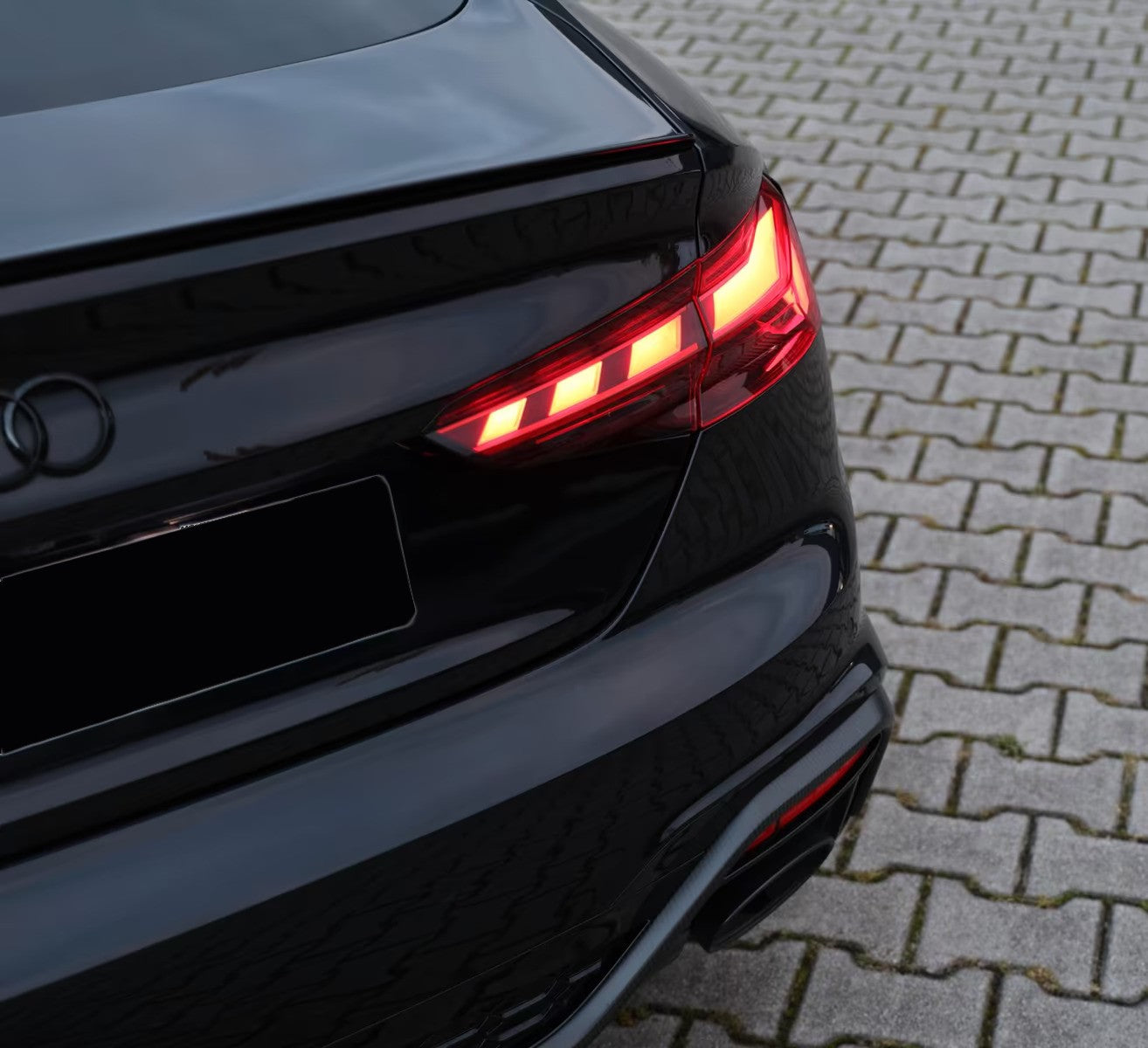


The Audi RS3 8V is one of the most compelling compact performance cars ever built. Launched in 2015 and produced through 2020, this second-generation RS3 slots into a fiercely competitive segment — sitting above the Audi S3 8V while offering a genuine sports car experience wrapped in a practical hatchback or saloon body.
What makes the RS3 8V special is its 2.5-liter five-cylinder turbocharged engine, a unit with genuine motorsport DNA and a soundtrack unlike anything else in the compact premium segment. Paired with Quattro all-wheel drive and a seven-speed S tronic dual-clutch gearbox, it delivers supercar-embarrassing performance in an understated package.
For buyers in the US market, the RS3 8V represents excellent value as a used performance car — but like any high-output machine, it has specific weak points you need to know before handing over your money. This guide covers everything: engine reliability, known issues, maintenance costs, and what to look for when buying used.
Parts & Accessories
Your Audi RS3 8V deserves better.
Hand-picked performance and replacement parts — ready to ship.
Shop Audi RS3 8V parts →History and Versions
The Audi RS3 8V was introduced in 2015 as the successor to the RS3 8P. It was built on the MQB platform shared with the A3 8V generation and offered in two body styles: a five-door Sportback from launch and a four-door saloon (sedan) added in 2017.
A significant mid-cycle refresh arrived in 2017, bringing revised styling, updated MMI infotainment, and a power bump from 362 hp to 394 hp. The pre-facelift cars (2015–2016) are coded 8V and the facelifted models (2017–2020) are sometimes referred to as 8V.5. Production ended in 2020 when the all-new RS3 8Y took over.
| Engine | Displacement | Power | Torque | 0-60 mph | Notes |
|---|---|---|---|---|---|
| 2.5 TFSI (DAZA) | 2,480 cc | 394 hp | 354 lb-ft | 3.9 sec | Post-facelift (2017–2020), most common in US |
| 2.5 TFSI (CZGB) | 2,480 cc | 362 hp | 343 lb-ft | 4.1 sec | Pre-facelift (2015–2016) |
How to check a used Audi RS3 8V's history
Before buying a used Audi RS3 8V, it is essential to ensure full transparency about its past. Undisclosed accidents can hide poor-quality repairs that directly compromise the safety of the driver and passengers.
The RS3 8V is a high-performance vehicle frequently used hard on track days and canyon roads, which makes its history particularly important. Specific risks invisible to the naked eye include misaligned front subframe components following a front-end impact, unreplaced airbags or seatbelt pretensioners after a collision, and hastily repaired suspension arms or wheel hubs that could fail under the lateral loads this car generates. Quattro driveshaft and differential damage from track abuse also rarely shows up on a visual inspection. It is therefore strongly recommended to check the vehicle's complete history using its license plate or VIN number before making any purchase decision.
Get an instant 20% discount to access a vehicle's full past with total transparency via carVertical by clicking this link or on the banner below:

Key Strengths
The RS3 8V holds a genuinely strong hand as a used performance buy. The 2.5-liter five-cylinder TFSI — an EA855 Evo engine — is widely regarded as one of Audi's best modern powerplants, with a loyal enthusiast following and extensive aftermarket support.
Build quality is excellent by compact car standards. The interior uses premium materials, and the MQB platform provides a solid, rattle-free structure that ages well. Quattro all-wheel drive inspires confidence in all weather conditions, which is a practical advantage in northern US states.
The S tronic dual-clutch gearbox delivers fast, seamless shifts that suit both daily driving and spirited use. The facelifted model's 394 hp output gives real-world performance that few cars at any price can match.
Tuning potential is outstanding — a simple ECU remap can push output beyond 450 hp on stock hardware, making the RS3 8V a favorite in the performance community. Parts availability is strong across the US, and the shared MQB platform means many components are interchangeable with A3 and S3 variants.
Known Reliability Issues
RS3 8V (Pre-facelift) — CZGB Engine
Carbon buildup on intake valves Like all direct-injection turbocharged engines, the CZGB suffers from carbon deposits on the intake valves over time. This causes rough idling, hesitation on acceleration, and reduced throttle response. Typically appears between 40,000 and 60,000 miles. Severity: Moderate. Walnut blasting is the standard remedy and costs $300–$500 at independent shops.
High-pressure fuel pump (HPFP) wear Some early CZGB units showed premature HPFP wear, leading to hard starts, misfires under load, and irregular fueling. Severity: Moderate. Typically surfaces around 50,000 miles and was largely addressed on later production units.
Water pump failure The plastic impeller water pump is a known weak point across the 2.5 TFSI family. Failure leads to overheating and, if ignored, can cause serious engine damage. Severity: Critical. Most failures occur between 60,000 and 90,000 miles.
RS3 8V (Post-facelift) — DAZA Engine
Carbon buildup on intake valves The DAZA shares the same direct injection architecture as its predecessor and is equally susceptible to carbon buildup. Symptoms and mileage ranges are similar — expect issues between 40,000 and 70,000 miles. Severity: Moderate.
Thermostat housing leaks The plastic thermostat housing on the DAZA is prone to cracking and coolant leaks, particularly in climates with large temperature swings. Severity: Moderate. Commonly reported from 50,000 miles onward. Replacement with an updated part is straightforward but should not be ignored.
Wastegate rattle at cold start A notable characteristic of the DAZA is a wastegate rattle heard at cold startup, caused by play in the turbocharger's wastegate actuator. While largely a noise issue rather than a performance problem, it can indicate premature turbo wear if left unaddressed. Severity: Minor to Moderate. Typically appears from 30,000 miles. Some owners opt for a turbo replacement under warranty.
Water pump failure Identical concern as the CZGB. The water pump remains a critical service item on the DAZA and should be replaced proactively. Severity: Critical. Replace preventatively at 70,000–80,000 miles regardless of symptoms.
Transmission — S Tronic DSG
Jerky low-speed behavior The DQ381 seven-speed wet-clutch DSG can exhibit hesitation and jerkiness in slow-speed traffic or when pulling away from a stop. This is often resolved with a transmission software update from Audi. Severity: Minor. Present from new on some units, most common in early production.
DSG mechatronic unit wear The mechatronic unit — the hydraulic control module embedded in the gearbox — can develop faults over time, causing erratic shifts or failure to engage gears. Severity: Critical if ignored. Typically appears beyond 80,000 miles on unmaintained units. Fresh DSG fluid every 40,000 miles dramatically extends mechatronic life.
Chassis Issues
Front control arm bushings The front lower control arm bushings wear relatively quickly on the RS3 8V, particularly on cars that have been driven hard. Worn bushings cause vague steering feel and clunking over uneven road surfaces. Severity: Moderate. Typical appearance at 50,000–70,000 miles.
Rear suspension compliance bushings The rear multi-link suspension bushings are a known wear item, especially on Sportback models. Degraded bushings affect ride quality and rear tracking stability. Severity: Moderate. Inspect carefully on any car over 60,000 miles.
Electronics and Software
MMI infotainment glitches Both pre- and post-facelift versions can suffer from MMI system freezes, unresponsive touchpads, and occasional module resets. A software update resolves most issues, but some units require an MMI module replacement. Severity: Minor.
Virtual Cockpit display faults The facelifted RS3 8V introduced the Audi Virtual Cockpit, which on some early examples showed flickering or pixel dropout. Severity: Minor. Typically a loose connector or display unit fault, often covered under warranty on lower-mileage examples.
Maintenance and Servicing
Audi recommends an oil change every 10,000 miles under normal driving conditions, but given the high output of the 2.5 TFSI, every 7,500 miles is strongly advisable — particularly on cars used for track days or spirited driving. Use only 5W-40 or 5W-30 full synthetic oil meeting the VW 502.00 or 504.00 specification.
Spark plugs should be replaced every 30,000 to 40,000 miles on the 2.5 TFSI. Running worn plugs on a high-compression turbo engine accelerates carbon buildup and stresses the ignition coils.
The DSG transmission fluid (DQ381) should be changed every 40,000 miles, not at the extended "lifetime" interval Audi sometimes lists. This single maintenance step prevents the majority of gearbox complaints.
Brake fluid should be flushed every two years due to the hygroscopic nature of DOT 4 fluid — critical on a car frequently subjected to hard braking.
Typical service costs at an independent specialist in the US:
- Oil service: $150–$250
- Spark plug replacement: $200–$350
- DSG fluid service: $200–$300
- Water pump replacement: $500–$800
- Walnut blast (intake valves): $300–$500
Parts to Watch / Replace First
Water pump — The single most important preventative replacement on any RS3 8V. The plastic impeller degrades over time and failure can destroy the engine. Replace proactively if not already done.
Thermostat housing — The plastic housing cracks with age and heat cycling. Replace with an updated unit at the first sign of any coolant seepage near the front of the engine.
Front lower control arm bushings — Worn bushings are common on higher-mileage examples and are inexpensive to replace. Always inspect for play or tearing during a pre-purchase inspection.
Spark plugs — Often overlooked at service intervals. Fresh plugs restore throttle response and protect the ignition coils from overworking.
DSG filter and fluid kit — If service history is unclear, change the DSG fluid immediately. The DQ381 responds well to fresh fluid and it is cheap insurance against a costly gearbox repair.
Ignition coils — A common secondary replacement when misfires are diagnosed. Replace all four simultaneously to avoid repeat faults.
Intake manifold gaskets — Can weep oil or boost pressure on higher-mileage engines. Inspect during any intake-side work.
FAQ
Is the Audi RS3 8V reliable?
Overall, the RS3 8V is a reasonably reliable performance car when properly maintained. Its main vulnerabilities — the water pump, carbon buildup, and DSG fluid intervals — are predictable and manageable. Cars with full service history and no track abuse are generally solid beyond 100,000 miles.
What is the best engine option for the RS3 8V?
There is only one engine option: the 2.5-liter five-cylinder TFSI. The post-facelift DAZA variant (394 hp) is the better choice if you can find one — it benefits from refined engine management and improved hardware over the pre-facelift CZGB.
How many miles will an Audi RS3 8V last?
A well-maintained RS3 8V can comfortably exceed 150,000 miles. The key is adhering to shorter oil change intervals, replacing the water pump proactively, and keeping the DSG serviced. Neglected examples can develop significant issues well before 80,000 miles.
Is the Audi RS3 8V expensive to maintain?
It is more expensive than a standard A3, but not dramatically so by performance car standards. Budget approximately $1,500–$2,500 per year for routine maintenance on a car driven 10,000–15,000 miles annually. Major jobs like a water pump or DSG service are affordable if caught early.
What mileage should I avoid when buying a used RS3 8V?
Be cautious with examples over 80,000 miles that have no documented water pump or DSG service. Also approach very low-mileage examples carefully — they may have sat unused, which can cause its own issues with the DSG clutches and rubber components. The sweet spot is typically 30,000–60,000 miles with a clean service record.
Is the Sportback or Saloon version more reliable?
Both share identical powertrains and reliability profiles. The Saloon (sedan) tends to attract buyers looking for a more discreet daily driver, while the Sportback is more common and therefore easier to source parts and comparison examples for. Reliability differences between the two body styles are negligible.
Should I buy a pre-facelift or facelifted RS3 8V?
The facelifted model (2017–2020) is the stronger buy. The DAZA engine is more refined, the interior is improved, and the additional 32 hp makes a real-world difference. The wastegate rattle is a nuisance but a known quantity, and most examples have had it addressed by now.
Conclusion
The Audi RS3 8V earns a solid 7.5 out of 10 for overall reliability as a used performance car. Its iconic five-cylinder engine is genuinely strong when maintained correctly, and the MQB platform gives it a robust, well-engineered foundation. The key risks — water pump failure, carbon buildup, and gearbox neglect — are all preventable with diligent servicing. Buy with a clean history, verified maintenance records, and a proper pre-purchase inspection, and the RS3 8V will reward you with one of the most engaging driving experiences available at its price point in the used market.