

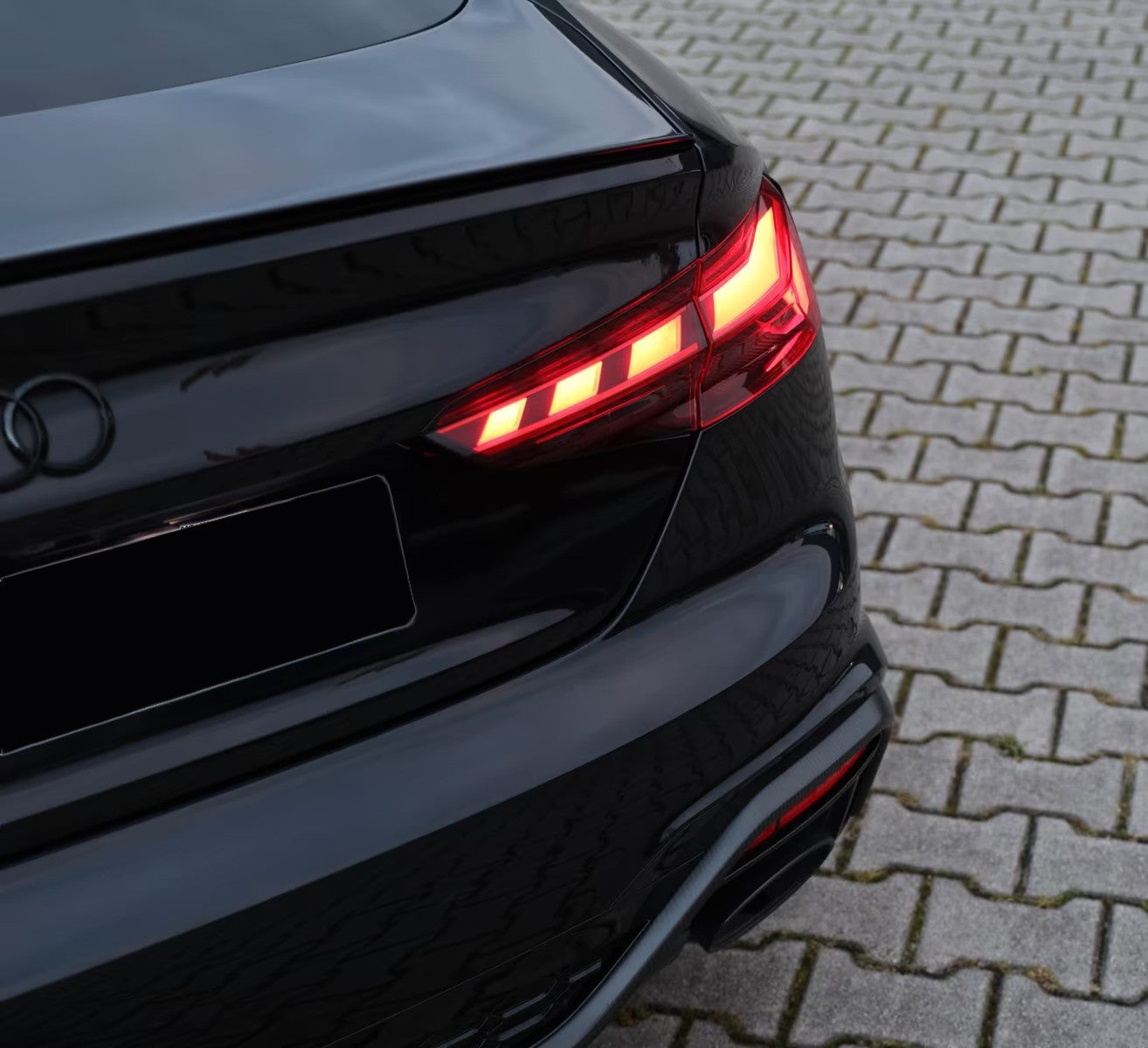
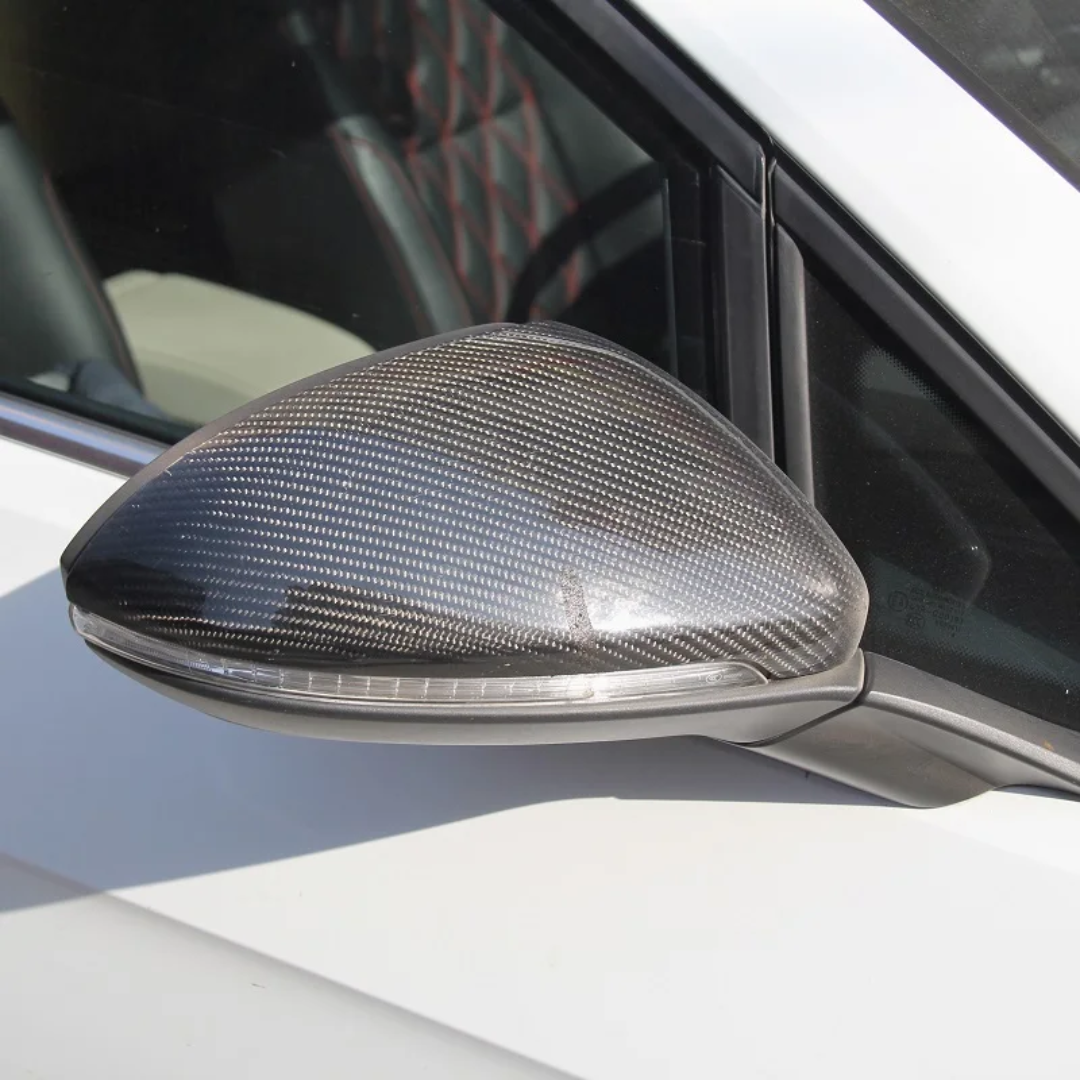


The Mercedes-Benz B-Class W247 is the third generation of Mercedes' popular compact MPV, launched in 2018 and still in production today. Positioned as a practical, family-friendly alternative to the A-Class W177, the W247 offers a taller roofline, generous interior space, and a refined driving experience — all wrapped in a modern Mercedes package.
In the US market, the W247 competes with vehicles like the Volkswagen Golf Sportwagen and Volvo V40, targeting buyers who want premium comfort without sacrificing versatility. It shares its MFA2 platform with the A-Class W177, which means both strengths and weaknesses carry over between the two models.
Whether you are considering a used W247 as a daily driver or a family hauler, understanding its reliability track record, known issues, and maintenance requirements is essential before signing any paperwork. This guide covers everything you need to know — from engine-specific problems to suspension wear patterns — so you can make a fully informed buying decision.
Parts & Accessories
Your Mercedes-Benz Classe B W247 deserves better.
Hand-picked performance and replacement parts — ready to ship.
Shop Mercedes-Benz Classe B W247 parts →History and Versions
The W247 B-Class entered production in 2018 as a replacement for the W246, bringing a significant leap in technology, interior quality, and powertrain options. Built on the MFA2 architecture, it was offered exclusively as a five-door tall hatchback.
Engine choices span a range of turbocharged four-cylinder petrol and diesel units, all paired with either a 7-speed dual-clutch (7G-DCT) or an 8-speed dual-clutch (8G-DCT) transmission. A plug-in hybrid variant, the B 250 e, joined the lineup in 2020. No AMG performance variant was offered for this generation.
| Engine | Displacement | Power | Torque | 0-60 mph | Notes |
|---|---|---|---|---|---|
| B 160 (M282) | 1.3L Turbo | 109 hp | 184 lb-ft | 10.8s | Entry-level petrol |
| B 180 (M282) | 1.3L Turbo | 136 hp | 184 lb-ft | 9.0s | Most common petrol |
| B 200 (M282) | 1.3L Turbo | 163 hp | 221 lb-ft | 7.7s | Mid-range petrol |
| B 250 (M260) | 2.0L Turbo | 224 hp | 258 lb-ft | 6.3s | Top petrol, 4MATIC available |
| B 250 e (M282 + EQ) | 1.3L + Electric | 218 hp combined | 332 lb-ft | 6.9s | PHEV, 2020+ |
| B 180 d (OM654) | 2.0L Diesel | 116 hp | 221 lb-ft | 10.5s | Entry diesel |
| B 200 d (OM654) | 2.0L Diesel | 150 hp | 258 lb-ft | 8.5s | Popular diesel variant |
| B 220 d (OM654) | 2.0L Diesel | 190 hp | 295 lb-ft | 7.1s | Top diesel, 4MATIC available |
How to Check a Used Mercedes-Benz B-Class W247's History
Before buying a used Mercedes-Benz B-Class W247, it is essential to ensure full transparency about its past. Undisclosed accidents can hide poor-quality repairs that directly compromise the safety of the driver and passengers.
On the W247 specifically, the risks of hidden damage are very real. The MFA2 platform uses aluminum-intensive construction in certain areas, meaning collision repairs require specialized tooling and expertise. A poorly repaired front subframe or misaligned suspension geometry may never throw a warning light but will cause premature tire wear and handling instability. Unreplaced side airbags, a damaged radar sensor module behind the front grille, or a hastily repaired adaptive cruise control system are all issues invisible to the naked eye during a standard visual inspection. It is therefore strongly recommended to check the vehicle's complete history using its license plate or VIN number before making any purchase decision.
Get an instant 20% discount to access a vehicle's full past with total transparency via carVertical by clicking this link or on the banner below:

Key Strengths
The W247 B-Class is one of the most well-rounded compact MPVs available on the used market, and it brings several genuine advantages to the table.
Interior space is a standout feature. The tall roofline and long wheelbase provide exceptional headroom and legroom for all five passengers, making it a far more practical daily driver than the A-Class W177 it shares its underpinnings with.
Technology is another strong point. The W247 benefits from Mercedes' MBUX infotainment system, introduced with this generation. The interface is intuitive, the voice recognition is class-leading, and over-the-air updates keep it current.
The OM654 diesel engines are among the most fuel-efficient in the segment, delivering real-world economy figures that make long-distance driving genuinely affordable. The M260 2.0L petrol in the B 250 provides brisk performance without feeling out of place in a family vehicle.
Build quality is a step above the previous W246 generation, and the cabin materials reflect a clear upward move in premium positioning. For buyers seeking a practical, comfortable, and technology-rich compact MPV, the W247 makes a compelling case.
Known Reliability Issues
B 160 / B 180 / B 200 — M282 (1.3L Turbo Petrol)
The M282 engine, developed in partnership with Renault, is the most common engine in the W247 range. It is generally reliable but has a few known weak points worth monitoring.
Oil consumption — Some M282 units show elevated oil consumption from as early as 30,000 to 50,000 miles. This appears to stem from piston ring wear on early production engines. Severity: Moderate. Check oil level regularly and watch for blue smoke at startup.
Turbocharger boost pressure faults — Intermittent boost pressure fault codes (P0299 or similar) have been reported, often traced to a faulty boost pressure sensor or a minor intake leak. Severity: Moderate. Usually resolved with sensor replacement.
Thermostat housing leaks — The plastic thermostat housing is a known weak point across many Mercedes four-cylinder petrol units of this era. Small coolant seeps can appear around 50,000 miles. Severity: Minor to Moderate depending on progression.
B 250 — M260 (2.0L Turbo Petrol)
Carbon buildup on intake valves — As a direct-injection engine, the M260 is susceptible to carbon deposit buildup on the intake valves over time. Symptoms include rough idle and reduced throttle response, typically appearing after 60,000 to 80,000 miles. Severity: Moderate. Walnut blasting is the standard fix.
DSG 8G-DCT transmission shudder — Some B 250 owners report a shudder or hesitation during low-speed engagement, particularly in stop-and-go traffic. This is often linked to mechatronic unit wear or software calibration. Severity: Moderate. A transmission fluid flush and software update often resolves the issue before 50,000 miles.
B 180 d / B 200 d / B 220 d — OM654 (2.0L Diesel)
The OM654 diesel is one of Mercedes' more modern and well-engineered compression-ignition units, but it is not without its issues.
EGR valve fouling — The exhaust gas recirculation valve is a common failure point, particularly on vehicles used predominantly for short trips. Carbon buildup causes poor idle quality and increased fuel consumption. Severity: Moderate. Typical appearance: 40,000 to 60,000 miles.
DPF blockage — The diesel particulate filter can clog prematurely on vehicles that rarely see motorway speeds. Forced regeneration cycles or DPF replacement may be required. Severity: Moderate to Critical. Appears from 50,000 miles on vehicles with predominantly urban use patterns.
Injector seal weeping — Minor fuel or combustion gas leaks past injector seals have been reported on higher-mileage OM654 units. Severity: Moderate. Typically appears after 80,000 to 100,000 miles.
Chassis Issues
Front lower control arm bushings — These wear progressively and begin to show play from around 50,000 to 70,000 miles, resulting in vague steering feel and minor clunking over uneven surfaces. Severity: Moderate.
Electronics and Software
MBUX system freezes — Early W247 units built before mid-2019 occasionally experienced MBUX infotainment freezes or reboots. Mercedes addressed this through software updates, but unserviced vehicles may still exhibit the issue.
Parking sensor module faults — Rear and front parking sensor modules are susceptible to moisture ingress, causing false alerts or complete sensor failure. Severity: Minor. Appears from 30,000 miles onward.
48V mild hybrid system faults (select variants) — On equipped variants, the EQ Boost mild hybrid system can generate fault codes related to the belt-integrated starter-generator (BSG). Severity: Moderate. Typically flagged during routine diagnostics after 40,000 miles.
Maintenance and Servicing
The W247 operates on Mercedes' flexible service intervals, with the ASSYST Plus system determining oil change requirements based on driving conditions. In practice, oil changes fall between 10,000 and 15,000 miles, though many independent mechanics recommend a 10,000-mile maximum for turbocharged petrol engines.
Typical service costs at an independent specialist in the US range from $180 to $280 for a standard oil and filter service, rising to $400 to $600 for a full inspection service including filters, brake fluid, and spark plugs.
Key maintenance watch points for the W247:
- Transmission fluid on the 7G-DCT and 8G-DCT should be changed every 40,000 miles, despite Mercedes' "lifetime fill" designation. This significantly extends transmission life.
- Brake fluid should be replaced every two years regardless of mileage, as the W247's advanced braking system is sensitive to moisture contamination.
- Coolant flush is recommended every four years to prevent thermostat housing and water pump corrosion.
- On diesel variants, schedule DPF health checks at each major service interval.
- Cabin and engine air filters should be inspected annually on vehicles used in urban environments.
Parts to Watch / Replace First
Timing chain tensioner (M282) — A priority inspection item on any high-mileage M282 petrol engine. Replace proactively if cold-start rattle is present.
Thermostat housing — The plastic housing is prone to minor cracking and coolant seepage. An upgraded aftermarket unit adds long-term peace of mind.
EGR valve (OM654 diesel) — Inspect and clean or replace at each major service on diesel variants, especially those used in city traffic.
Front lower control arm bushings — Check for play during a pre-purchase inspection. Replacing worn bushings restores steering precision immediately.
Dual-clutch transmission fluid — Fresh fluid is one of the most cost-effective ways to prevent shudder and hesitation on both the 7G-DCT and 8G-DCT units.
Diesel particulate filter (OM654) — On used diesel examples with predominantly urban history, DPF condition should be assessed via forced regeneration or live data before purchase.
Spark plugs (M282 / M260) — These are often overlooked on flexible-service schedules. Replace every 40,000 miles to maintain combustion efficiency and protect ignition coils.
Intake valve carbon cleaning kit (M260) — Not a replacement part per se, but budgeting for a walnut blast service on any B 250 over 60,000 miles is strongly recommended.
FAQ
Is the Mercedes-Benz B-Class W247 reliable?
The W247 is generally a reliable compact MPV, particularly on post-2020 production examples that benefited from early engineering revisions. The diesel variants equipped with the OM654 are especially dependable when properly serviced. The main risks are concentrated around the M282 timing chain, DCT transmission fluid neglect, and EGR fouling on diesels.
What is the best engine option in the W247?
For most buyers, the B 200 d with the OM654 strikes the best balance of fuel economy, performance, and long-term reliability. For petrol-only buyers or those who do not accumulate high mileage, the B 200 with the M282 is a practical choice with lower running costs. The B 250 offers the most performance but requires more attention to intake valve health.
How many miles will a Mercedes-Benz B-Class W247 last?
A well-maintained W247 is capable of exceeding 200,000 miles, particularly on diesel variants. The key factors are regular oil changes within proper intervals, proactive transmission fluid replacement, and addressing minor issues — such as EGR cleaning or control arm bushings — before they escalate.
Is the Mercedes-Benz B-Class W247 expensive to maintain?
Maintenance costs are moderate for the premium segment. Routine services run $180 to $280 at independent specialists, and major services fall in the $400 to $600 range. The main unexpected expenses come from DCT transmission repairs, timing chain work on the M282, and DPF replacement on diesel variants — all of which can be avoided with proactive servicing.
Which W247 variants should I avoid?
Early production B 180 and B 200 petrol models (2018 to early 2020) built before the M282 piston ring revision carry the highest risk of oil consumption issues. Diesel variants with a documented short-trip urban history are at elevated DPF risk. Any W247 with an unmaintained or unknown transmission fluid history should be approached with caution regardless of variant.
Does the W247 have a good resale value?
The W247 holds its value reasonably well compared to non-premium compact MPVs, though it depreciates more sharply than Mercedes' SUV lineup. Well-specified examples with full service history and low mileage retain strong resale value, particularly diesel variants popular in European import markets.
Conclusion
The Mercedes-Benz B-Class W247 earns a solid 7.5 out of 10 for overall reliability. It is a thoughtfully engineered, spacious, and technology-rich compact MPV that rewards attentive ownership. Most problems are predictable and preventable with proper maintenance. Post-2020 examples with full service history represent the safest used buy in the range. Browse our parts catalog to find everything you need to keep your W247 running at its best.