

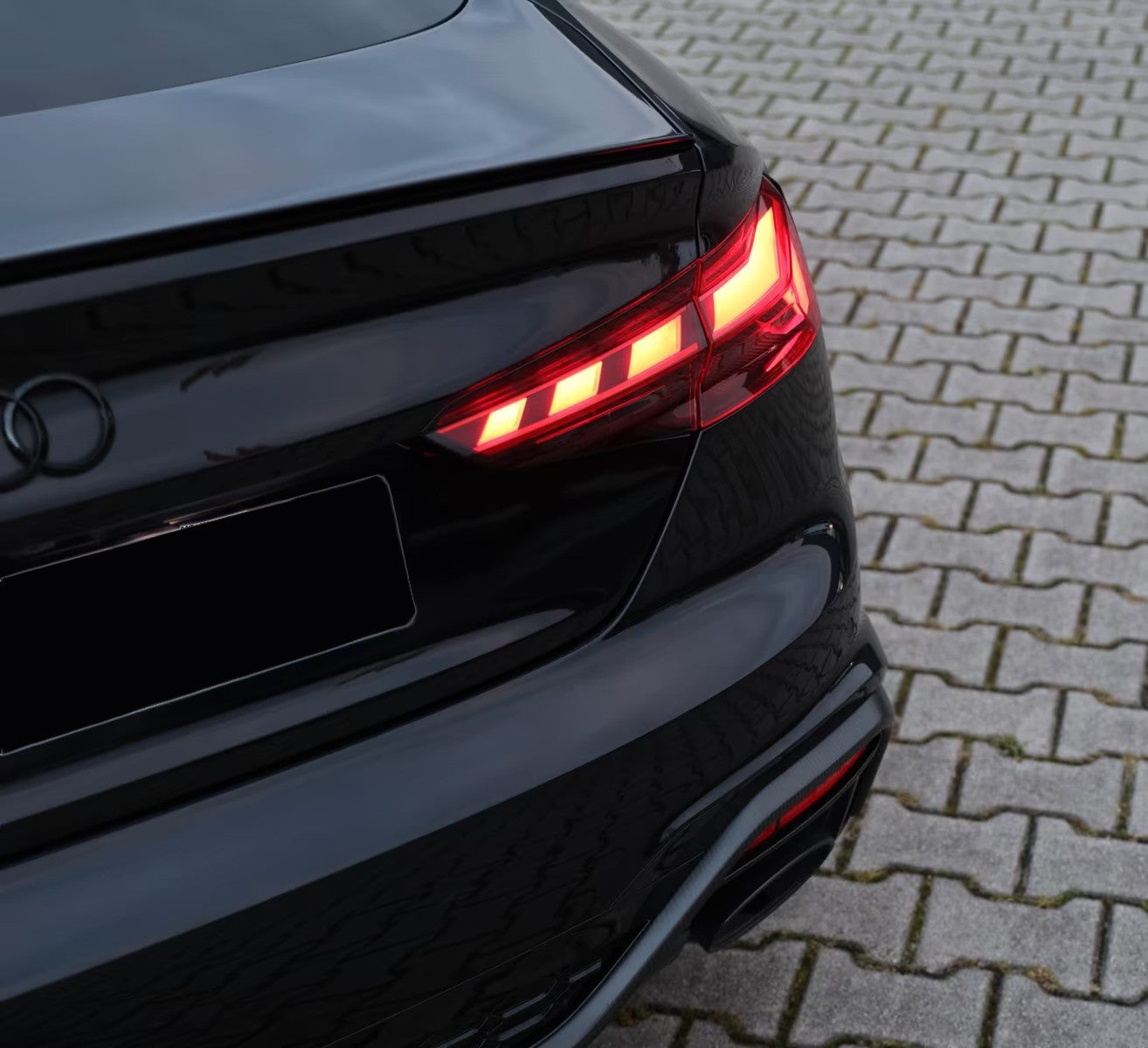
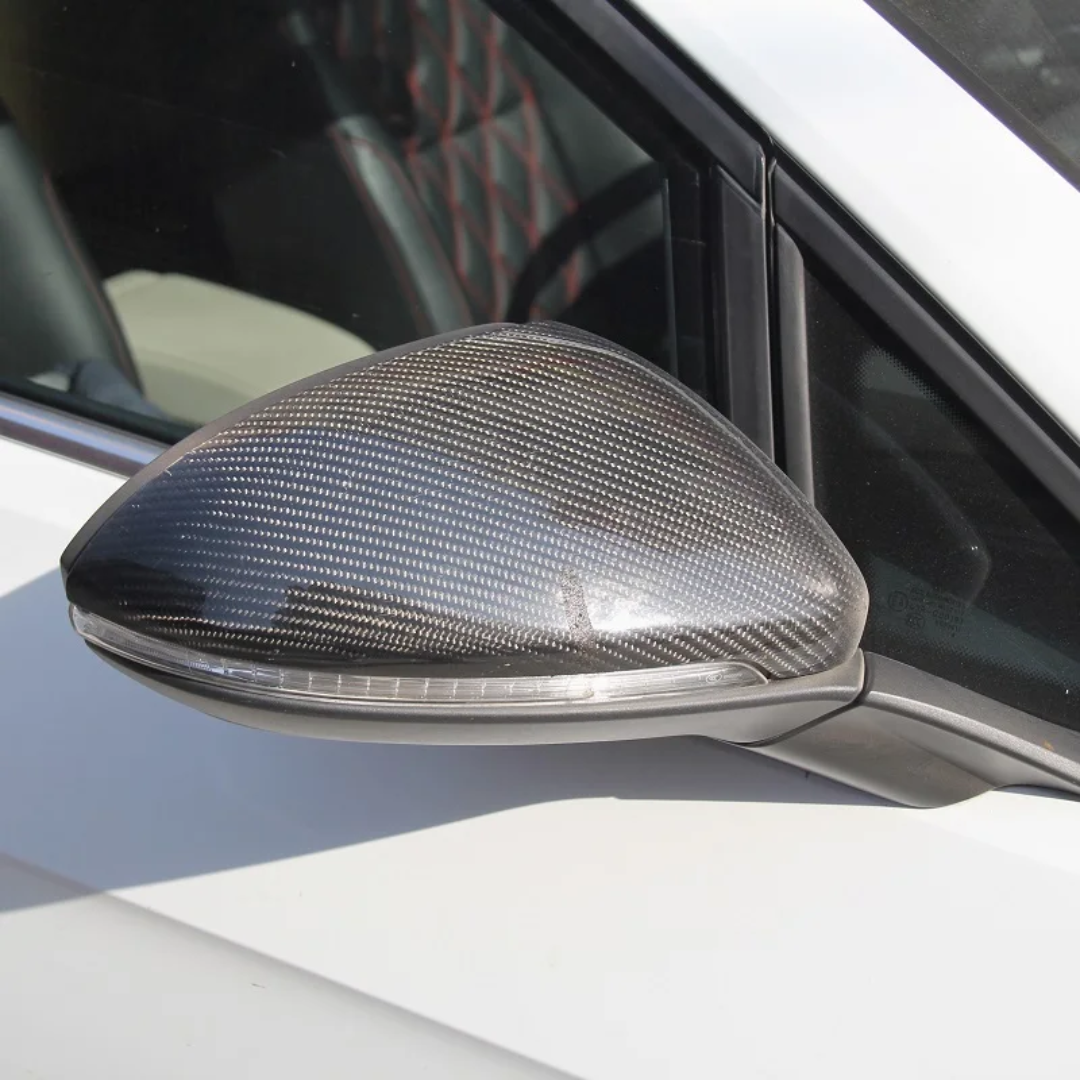


The Audi S3 8V is one of the most compelling compact performance cars to come out of Ingolstadt. Sitting above the standard A3 lineup and below the full-fat RS3, the S3 8V strikes a balance between everyday usability and genuine driving excitement. With its 2.0 TFSI turbocharged engine, Quattro all-wheel drive, and premium interior, it competes directly with the Mercedes-AMG A35 and BMW M135i in the US market.
Produced between 2013 and 2020, the 8V generation brought a sharper chassis, more powerful engine, and a more refined cabin compared to its predecessor, the Audi S3 8P. It was sold in the US as a sedan only, which helped broaden its appeal beyond enthusiasts.
Used examples are now widely available at attractive price points, making the S3 8V a serious contender for buyers seeking performance and practicality. But like any turbocharged performance vehicle, it comes with specific ownership considerations worth knowing before you sign anything.
Parts & Accessories
Your Audi S3 8V deserves better.
Hand-picked performance and replacement parts — ready to ship.
Shop Audi S3 8V parts →History and Versions
The Audi S3 8V entered production in 2013 and ran through to 2020, when it was replaced by the 8Y generation. It was built on the MQB platform, shared with the VW Golf GTI and Seat Leon Cupra of the same era.
In the US market, the S3 8V was sold exclusively as a 4-door sedan. A facelift arrived in 2017, bringing revised LED headlights, updated bumpers, a refreshed Virtual Cockpit display, and a slight bump in power output. The transmission was a 7-speed S tronic dual-clutch (DSG) throughout the model run, paired exclusively with Quattro AWD.
The engine range was narrow but focused: one core unit with two output levels.
| Engine | Displacement | Power | Torque | 0-60 mph | Notes |
|---|---|---|---|---|---|
| 2.0 TFSI (EA888 Gen 3) | 2.0L Turbocharged I4 | 292 hp | 280 lb-ft | 4.7 sec | Pre-facelift (2013–2016) |
| 2.0 TFSI (EA888 Gen 3B) | 2.0L Turbocharged I4 | 310 hp | 295 lb-ft | 4.6 sec | Post-facelift (2017–2020) |
How to Check a Used Audi S3 8V's History
Before buying a used Audi S3 8V, it is essential to ensure full transparency about its past. Undisclosed accidents can hide poor-quality repairs that directly compromise the safety of the driver and passengers.
The S3 8V is a performance car that attracts enthusiastic drivers — and sometimes track use or hard driving that never makes it onto a service record. Risks invisible to the naked eye include misaligned front subframe components from a previous low-speed impact, unreplaced airbag modules after a minor collision, and hastily repaired suspension arms that look fine visually but are structurally compromised. On AWD examples, a prior accident can also mask damage to the Haldex coupling or rear differential. It is therefore strongly recommended to check the vehicle's complete history using its license plate or VIN number before making any purchase decision.
Get an instant 20% discount to access a vehicle's full past with total transparency via carVertical by clicking this link or on the banner below:

Key Strengths
The Audi S3 8V earns strong marks as a used performance car purchase for several reasons.
First, the MQB platform is one of the most well-engineered compact car architectures ever produced. Parts are widely available, many of them shared across the VW Group ecosystem, which keeps repair costs more reasonable than you might expect from a premium German performance car.
Second, the EA888 Gen 3 engine is a well-documented unit with a large enthusiast community behind it. Tuning parts, upgraded intercoolers, and performance software are all readily accessible. For more detail on this engine's strengths and weaknesses, refer to the Audi EA888 Engine Guide.
Third, the S tronic dual-clutch gearbox delivers fast, smooth shifts and holds up well when properly maintained. The Quattro system, in its Haldex-based form on the 8V, provides excellent traction in wet or cold conditions without the complexity of a Torsen center differential.
Finally, the build quality is a step above most competitors at this price point, with solid panel gaps, quality interior materials, and a well-sorted suspension setup that ages gracefully.
Known Reliability Issues
2.0 TFSI — EA888 Gen 3 / Gen 3B
The EA888 Gen 3 is a strong engine overall, but it does have a documented set of recurring issues that S3 8V owners should be aware of.
Oil consumption / piston ring wear Some early EA888 Gen 3 units (pre-facelift, 2013–2016) exhibit higher than normal oil consumption due to piston ring and cylinder bore wear. Symptoms include blue smoke on cold starts and needing to top up oil between services. Severity: Moderate. Typical onset: 40,000–70,000 miles.
Carbon buildup on intake valves Because the S3 8V uses direct injection only (no port injection), oil vapors from the PCV system coat the back of the intake valves over time. This leads to rough idle, misfires, and reduced power. Severity: Moderate. Typical onset: 50,000–80,000 miles. Walnut blasting is the standard fix.
Water pump and thermostat failure The plastic impeller water pump and integrated thermostat are known weak points on the EA888. A failing water pump can cause overheating with little warning. Severity: Critical if ignored. Typical onset: 60,000–90,000 miles.
Ignition coil and spark plug failures Under the stress of the S3's higher boost levels, ignition coils and spark plugs degrade faster than on standard A3 variants. Misfires under load are the most common symptom. Severity: Minor to Moderate. Typical onset: 40,000–60,000 miles.
High-pressure fuel pump (HPFP) issues Some owners have reported HPFP noise (a ticking or rattling sound at idle) and occasional pressure irregularities, particularly on early Gen 3 units. Severity: Moderate. Typical onset: 50,000–80,000 miles.
Turbocharger oil feed line At higher mileages, the turbo oil feed line can develop seepage at the connection points, leading to minor oil leaks and potential turbo starvation if left unchecked. Severity: Moderate. Typical onset: 70,000–100,000 miles.
S tronic 7-speed DSG
Mechatronic unit wear The mechatronic unit (the integrated hydraulic and electronic control module inside the DSG) is the most common failure point. Symptoms include jerky low-speed engagement, hesitation in traffic, and error codes. Severity: Critical. Typical onset: 60,000–90,000 miles, especially if fluid changes were skipped.
Clutch pack wear The dual wet clutch pack can wear prematurely if the transmission fluid has not been changed at regular intervals. Shudder during engagement at low speed is the primary symptom. Severity: Moderate to Critical. Typical onset: 70,000–100,000 miles.
Chassis Issues
Front control arm bushings The front lower control arm bushings deteriorate with age and mileage, causing vague steering and vibration through the wheel. On a performance-driven car like the S3, this tends to happen sooner than on standard A3 models. Typical onset: 50,000–70,000 miles.
Rear suspension compliance bushings The rear axle bushings, particularly on the multi-link rear suspension, can go soft and cause imprecise handling. Severity: Minor to Moderate. Typical onset: 60,000–80,000 miles.
Electronics and Software
Virtual Cockpit display issues Post-facelift models with the Virtual Cockpit have occasionally shown partial display failures or flickering. This is generally a software issue solvable via update, but hardware failures do occur. Severity: Minor.
MMI infotainment freezing The MMI 3G+ system on pre-facelift models can freeze or reboot unexpectedly. A software update usually resolves it, but older units with high mileage can develop persistent issues. Severity: Minor.
Parking sensor module failures Front and rear parking sensor modules occasionally fail, triggering false alerts or complete sensor deactivation. Severity: Minor. Common from 50,000 miles onward.
Maintenance and Servicing
The Audi S3 8V follows Audi's standard longlife service interval, which recommends oil changes every 10,000 miles or 12 months, whichever comes first. However, given the EA888's known tendency for oil consumption, many experienced owners prefer to change oil every 5,000–7,500 miles and use a full synthetic 5W-40 specification oil.
Key service items and typical costs:
- Oil and filter change: $80–$150 at an independent specialist
- Spark plugs: Replace every 30,000–40,000 miles ($100–$180 including labor)
- DSG fluid change: Every 40,000 miles is strongly recommended, even though Audi markets it as a sealed unit — expect $200–$300
- Brake fluid: Every 2 years, regardless of mileage — $80–$120
- Coolant flush: Every 50,000 miles — $100–$150
- Air filter: Every 20,000–30,000 miles — $30–$60
- Intake valve walnut blasting: Every 50,000–60,000 miles — $300–$500
Annual maintenance costs for a well-kept S3 8V typically run between $800 and $1,500, which is reasonable for the performance class.
Parts to Watch / Replace First
Water pump: The plastic impeller is a known failure point. If the car has over 60,000 miles and no replacement history, budget for this immediately.
Thermostat: Often replaced alongside the water pump as it is prone to failure at similar mileages and labor costs overlap.
Ignition coils: Check these early. Aftermarket upgraded coils are available and offer better reliability under the S3's boost levels.
Spark plugs: Often overdue on used examples. Fresh plugs make a noticeable difference in throttle response and smoothness.
DSG filter and fluid: Non-negotiable if the service history is unclear. Old fluid accelerates clutch pack and mechatronic wear.
Front lower control arm bushings: Inspect carefully during a pre-purchase inspection. Worn bushings are an easy early fix that dramatically improves the driving experience.
PCV valve and breather hoses: The positive crankcase ventilation system on the EA888 is prone to clogging and cracking hoses. Inspect and replace proactively to avoid oil consumption and boost leaks.
Intercooler: On higher-mileage or lightly tuned examples, the stock intercooler can show signs of heat soak. An upgraded unit is one of the most cost-effective improvements.
FAQ
Is the Audi S3 8V reliable?
The Audi S3 8V is generally a reliable car when properly maintained. Its main vulnerabilities — oil consumption, intake valve carbon buildup, and DSG fluid degradation — are all predictable and manageable with regular servicing. A well-documented example with consistent maintenance history is a solid used buy.
What is the best version of the Audi S3 8V to buy?
The post-facelift 2017–2020 model is generally preferred. The Gen 3B engine variant produces more power, benefits from several engineering refinements, and includes the Virtual Cockpit as standard. Look for a sedan with a full service history and documented DSG fluid changes.
How many miles will an Audi S3 8V last?
With proper maintenance, the S3 8V can comfortably reach 150,000 to 200,000 miles. The EA888 engine is mechanically robust when oil is changed regularly and carbon buildup is addressed. The DSG gearbox is the more limiting factor if fluid changes are neglected.
Is the Audi S3 8V expensive to maintain?
It is more expensive than a standard compact car but less so than most dedicated sports cars. Expect to spend $800–$1,500 per year in routine maintenance. Major repairs such as a DSG mechatronic replacement ($1,500–$2,500) or water pump failure can push annual costs higher if deferred.
What mileage should I avoid when buying an Audi S3 8V?
Avoid examples with over 80,000 miles that cannot show documented DSG fluid changes, coolant flushes, and spark plug replacements. Also be cautious with very low-mileage cars that have been sitting unused — seals and rubber components deteriorate with age as much as with use.
Can the Audi S3 8V be tuned safely?
Yes, the EA888 Gen 3 has excellent tuning potential and the platform supports it well. Stage 1 software tunes can push output to 350–370 hp without hardware changes. That said, tuned examples should have upgraded ignition coils, fresh plugs, and a larger intercooler to remain reliable under increased load.
Conclusion
The Audi S3 8V earns a solid 8 out of 10 for overall reliability in the used performance car market. Its known issues are well-documented, parts are accessible, and the repair community is large. Choose a post-facelift example with a clean service history, budget for proactive DSG and cooling system maintenance, and you will have a fast, refined, and genuinely enjoyable car. Browse our catalog for quality replacement and performance parts to keep your S3 8V running at its best.