

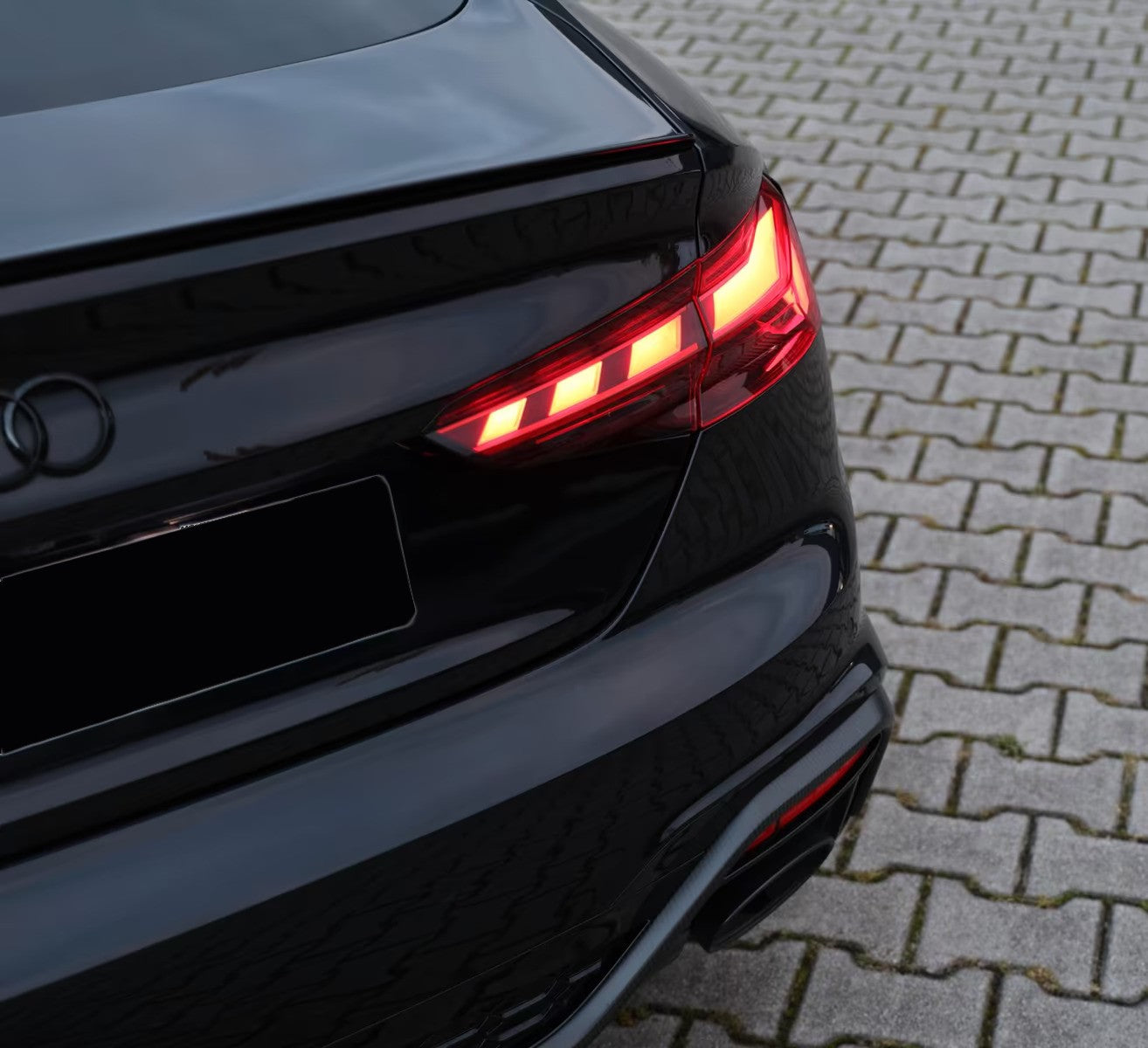


The Audi EA816 is one of the most spectacular naturally aspirated engines ever produced by the Volkswagen Group — a 5.2-liter FSI V10 that defined a generation of Audi's flagship performance cars in the mid-2000s. Developed alongside the EA824 family, this engine powered some of the most desirable vehicles in Audi's lineup: the iconic R8 Gen 1 supercar, the executive muscle of the S6 C6, the imposing S8 D3.
What makes the EA816 stand out is its philosophy: maximum performance without forced induction. The 8,250 rpm redline in the R8 application is a defining characteristic rarely found outside purpose-built motorsport machinery, delivering a naturally aspirated soundtrack and throttle response that turbocharged engines simply cannot replicate.
For enthusiasts, mechanics, and prospective buyers in the US market, understanding this engine's strengths and known weaknesses is critical. It is expensive to maintain, deeply rewarding to own, and mechanically sound when properly cared for. This guide covers everything you need to know before buying or servicing an EA816-equipped vehicle.
Parts & Accessories
Your Audi deserves better.
Hand-picked performance and replacement parts — ready to ship.
Shop Audi parts →Specs & Versions
Base Specifications
| Specification | Detail |
|---|---|
| Type | Naturally aspirated V10 |
| Displacement | 5,204 cc (5.2L) |
| Block | Aluminum alloy |
| Head | Aluminum alloy, DOHC per bank |
| Valvetrain | 40 valves (4 per cylinder) |
| Injection | FSI direct injection |
| Production Years | 2004–2010 |
BUF — 525 hp / 391 lb-ft
The BUF is the high-revving R8 application of the 5.2 FSI V10, featuring a 8,250 rpm redline and a dry-sump lubrication system that sets it apart from the other variants. It is the engine that turned the R8 into a genuine supercar.
| Model | Chassis | Years |
|---|---|---|
| Audi R8 V10 | 42 | 2009–2015 |
BSB — 435 hp / 398 lb-ft
The BSB is the executive and grand touring application of the 5.2 FSI V10, tuned for broader torque delivery and long-distance refinement rather than maximum revs. It powers Audi's flagship saloons and estates of the C6 and D3 generations.
| Model | Chassis | Years |
|---|---|---|
| Audi S6 | C6 | 2006–2011 |
| Audi S8 | D3 | 2006–2010 |
How to check a used EA816-powered car's history
Before buying any used car equipped with the EA816, it is essential to ensure full transparency about its past. Undisclosed accidents and hidden mechanical abuse can directly compromise safety and reliability — particularly on a high-performance vehicle that may have been driven hard or neglected between services.
The EA816 is especially vulnerable to the consequences of deferred maintenance. A car that has seen irregular oil change intervals risks accelerated timing chain wear and valve stem seal degradation. Vehicles with a tuning or track history may have pushed the throttle bodies, cooling system, and drivetrain beyond normal operating limits. Carbon buildup from years of infrequent intake cleaning can also be severe on direct injection engines. Given the high cost of repair — ten spark plugs, ten coil packs, and ten individual throttle bodies — knowing the full service history is non-negotiable. It is strongly recommended to check the vehicle's complete history using its license plate or VIN number before any purchase decision.
Get an instant 20% discount to access a vehicle's full past with total transparency via carVertical by clicking this link or on the banner below:

Key Strengths
The EA816 5.2 FSI V10 is celebrated above all for its mechanical character. As a high-revving naturally aspirated unit, it delivers linear, progressive power with no turbo lag — the throttle response is immediate and the power curve rewards drivers who explore the upper rev range. The 8,250 rpm redline on the R8 variant in particular produces an exhaust note that is genuinely comparable to purpose-built race machinery.
From a durability standpoint, the EA816 is mechanically robust when correctly maintained. The aluminum alloy block and heads keep weight manageable for a ten-cylinder unit, and the FSI direct injection system provides efficient fueling across all operating conditions. Owners who follow the manufacturer's service schedule consistently report engines lasting well beyond 150,000 miles without internal failures.
Aftermarket support is strong for the R8 platform in particular, with quality exhaust systems, ECU tuning files, and intake options available from multiple reputable suppliers. The BSB variants fitted to the S6, S8 benefit from the same parts ecosystem, making sourcing components straightforward. For any enthusiast seeking a naturally aspirated V10 with genuine engineering pedigree, the EA816 remains one of the most compelling choices in the used performance car market.
Known Reliability Issues
Throttle Body Failure
Symptom: Rough idle, misfires, hesitation under light throttle, check engine light with throttle actuator fault codes.
Cause: The EA816 uses ten individual throttle bodies — one per cylinder. Each unit contains its own position sensor and actuator motor. Over time, carbon deposits and wear cause individual units to stick or report out-of-range values. A single failed throttle body triggers immediate drivability issues.
Severity: Critical
Typical Mileage: 80,000–120,000 miles
Note: Replacement of all ten units simultaneously is recommended if one fails, as the remaining units are typically at similar wear levels. This is one of the most expensive routine repairs on the EA816.
Carbon Buildup on Intake Valves
Symptom: Rough idle, reduced power, misfires, poor cold-start behavior worsening progressively over time.
Cause: Direct injection bypasses the intake valves entirely, meaning no fuel wash occurs to remove oil vapor deposits. On naturally aspirated engines, the absence of boost pressure compounds the problem. Carbon accumulates on the back of intake valves over tens of thousands of miles and restricts airflow.
Severity: Moderate
Typical Mileage: 60,000–100,000 miles
Note: Walnut blasting of the intake ports and valve heads is the accepted solution. This should be treated as a scheduled maintenance item on high-mileage examples rather than an emergency repair.
Valve Stem Seal Leaks
Symptom: Blue smoke on cold startup that clears after a few minutes of running, elevated oil consumption beyond 0.5L per 1,000 km.
Cause: The valve stem seals harden and crack with age and heat cycling, allowing engine oil to migrate past the valve guides and into the combustion chamber during cold soak periods. This is notably more prevalent on the S6 and S8 BSB variants at higher mileage.
Severity: Moderate
Typical Mileage: 100,000–150,000 miles
Note: Oil consumption up to 0.5L per 1,000 km is within Audi's accepted specification for this engine. Consumption beyond this threshold warrants valve stem seal inspection before catalytic converter damage occurs.
Water Pump and Thermostat Housing Coolant Loss
Symptom: Coolant level dropping without visible external leak, overheating warning, white residue around the thermostat housing.
Cause: The plastic thermostat housing and impeller-type water pump are known weak points that degrade with age. Seal failures lead to slow coolant loss that can escalate to overheating if not caught early.
Severity: Moderate
Typical Mileage: 80,000–120,000 miles
Note: Replacing both the water pump and thermostat housing simultaneously during any cooling system service is strongly advised, as labor overlap makes individual replacement inefficient.
Timing Chain Wear at High Mileage
Symptom: Rattling noise on cold start from the front of the engine, timing-related fault codes, rough running.
Cause: The timing chain and associated tensioners are subject to wear on high-mileage examples, particularly on engines that have experienced extended oil change intervals or prolonged use of degraded oil.
Severity: Critical (if ignored)
Typical Mileage: 120,000 miles and above
Note: Regular oil changes with the correct specification are the single most effective preventive measure. Any cold-start chain rattle on a high-mileage EA816 warrants immediate inspection.
Maintenance Schedule
| Service | Interval |
|---|---|
| Engine oil and filter change | Every 7,500 miles or 12 months |
| Spark plugs (all 10) | Every 30,000–40,000 miles |
| Coil pack inspection | Every 40,000 miles |
| Air filter replacement | Every 20,000 miles |
| Throttle body inspection and cleaning | Every 30,000 miles |
| Intake valve carbon cleaning (walnut blast) | Every 40,000–60,000 miles |
| Coolant system inspection (pump, housing) | Every 60,000 miles |
| Timing chain and tensioner inspection | Every 100,000 miles |
| Transmission fluid | Every 40,000 miles |
Recommended oil specification: 5W-40 or 5W-30 fully synthetic meeting VW 502.00 / 503.01 (or VW 504.00 where applicable). Use of long-life intervals is not recommended for performance driving use.
Tuning Potential
Being a naturally aspirated engine, the EA816's tuning ceiling is inherently limited compared to turbocharged alternatives. There is no boost pressure to increase, so gains come from optimizing what the engine already does rather than fundamentally changing its output.
| Stage | Modifications | Estimated Power |
|---|---|---|
| Stage 1 | ECU remap only | +15–25 hp |
| Stage 2 | ECU remap + sports exhaust (cat-back) | +25–40 hp |
| Stage 3 | ECU remap + full exhaust + intake + throttle body optimization | +40–55 hp |
Recommended first modifications in priority order:
- Sports exhaust system (cat-back) — most impactful single modification, improves both power and the V10 soundtrack significantly
- ECU remap — optimizes ignition timing and throttle mapping for measurable gains
- High-flow air intake — marginal power gain but improves throttle response
- Throttle body cleaning or upgrade — ensures all ten units are operating consistently before other modifications
At Stage 3 levels, the cooling system becomes the primary limiting factor. Ensure the water pump, thermostat housing, and coolant lines are fully serviced before sustained track use. The dry-sump system on BUF R8 variants provides a meaningful advantage under high-load, high-cornering conditions compared to the wet-sump BSB variants.
FAQ
Is the Audi EA816 a reliable engine?
Yes, the EA816 is mechanically reliable when serviced correctly. It lacks the fundamental design flaws that plague some turbocharged Audi engines. The most common failures — throttle bodies, carbon buildup, and valve stem seals — are all maintenance-related or wear items that can be managed with a disciplined service schedule.
What are the most common problems with the EA816?
The three most frequently reported issues are individual throttle body failure, carbon buildup on intake valves, and valve stem seal leaks causing oil consumption and blue smoke. All three become significantly more likely on neglected or high-mileage examples. For a broader look at naturally aspirated Audi V engines, the Audi EA825 Engine Guide covers related platform context.
How long does the EA816 last?
With proper maintenance — particularly regular oil changes, timely spark plug replacements, and periodic intake valve cleaning — the EA816 is fully capable of exceeding 150,000–200,000 miles without major internal work. The timing chain should be inspected beyond 120,000 miles as a precaution.
How does the EA816 compare to Audi's turbocharged V8 engines?
The EA816 trades the low-end torque delivery and tuning headroom of turbocharged alternatives for an unmatched naturally aspirated character. Its linear power delivery, high-revving nature, and acoustic experience are qualities that no turbocharged engine in Audi's lineup replicates. However, buyers seeking strong low-rpm torque or significant tuning potential may find turbocharged alternatives more practical. The Audi EA837 Engine Guide covers Audi's twin-turbocharged V8 platform for comparison.
What is the realistic tuning ceiling for the EA816?
On a naturally aspirated platform, expect a maximum of 50–60 hp over stock with a full exhaust, ECU remap, and intake on the BSB variants. The BUF R8 variant has less margin due to its already-aggressive factory tune. Supercharger kits exist in the aftermarket for the R8 platform but represent a significant investment and add mechanical complexity.
Is the EA816-powered R8 or S6 practical as a daily driver?
Yes, with caveats. The S6 C6 and S8 D3 variants are genuinely practical performance saloons that can serve as daily drivers — the BSB engine is smooth and refined at low speeds. The R8 is usable daily but requires more attention to parking clearances, fuel costs, and service expenses. Both platforms demand premium fuel and frequent oil monitoring to remain healthy under regular use.
Conclusion
The Audi EA816 5.2 FSI V10 earns a reliability score of 8/10 — mechanically sound, long-lasting when serviced, but expensive to maintain correctly with its ten-of-everything architecture. Its tuning score is 5/10, reflecting the inherent limitations of a naturally aspirated design where meaningful power gains require significant investment for modest returns. What the EA816 lacks in tuning headroom, it more than compensates for in character, engineering quality, and driving experience. Browse our parts catalog to find everything you need to keep your EA816 running at its best.