

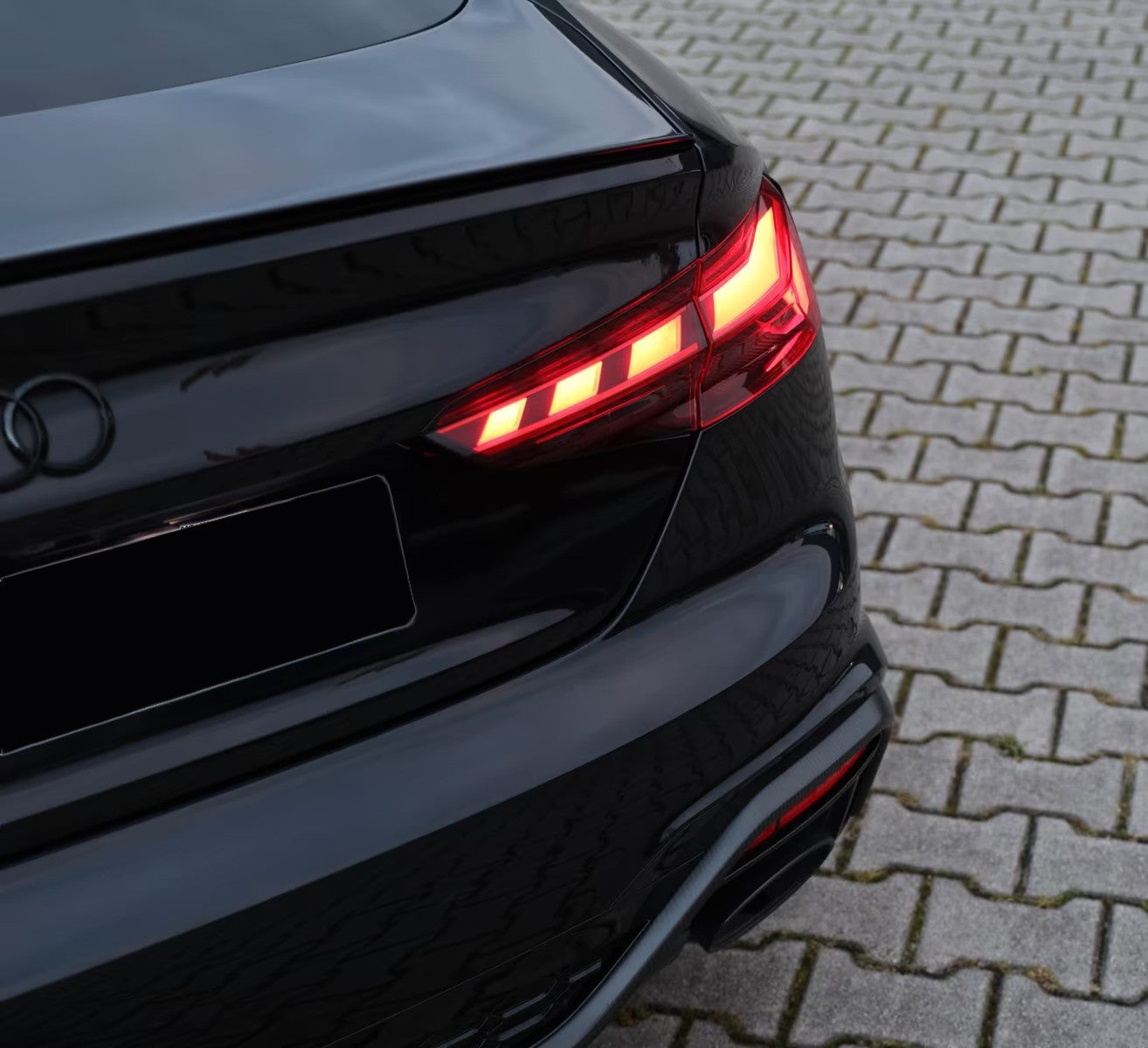


The Audi S3 8P occupies a unique sweet spot in the compact performance car market. It delivers the refinement and all-weather capability that Audi is known for, wrapped in a discreet hot hatch body that can embarrass far more expensive machinery. Produced between 2006 and 2013, the 8P-generation S3 built a loyal following in the US and Europe thanks to its potent 2.0 TFSI turbocharged engine, Quattro all-wheel drive, and premium interior quality.
For buyers searching for a used performance compact, the S3 8P is a genuinely compelling choice — but it is not without its quirks. The turbocharged four-cylinder powertrain can develop specific weaknesses over time, and examples with high mileage or aggressive driving history deserve extra scrutiny.
This guide covers everything you need to know about Audi S3 8P reliability: its known problems, maintenance costs, best versions to buy, and what to inspect before handing over your money. Whether you are a first-time buyer or a seasoned Audi enthusiast, this guide will help you make the right decision.
Parts & Accessories
Your Audi deserves better.
Hand-picked performance and replacement parts — ready to ship.
Shop Audi parts →History and Versions
The Audi S3 8P was introduced in 2006 as the performance flagship of the A3 8P platform, replacing the original S3 8L. It launched with a 2.0 TFSI engine producing 265 hp, paired exclusively with a 6-speed DSG gearbox (S tronic) and Quattro all-wheel drive. A 3-door body style was available from launch, with a Sportback (5-door) variant added in 2008.
A significant facelift arrived in 2008, bringing updated front styling, revised suspension tuning, and minor interior improvements. The S3 8P was discontinued in 2013, succeeded by the S3 8V. Throughout its production run, only one engine was offered — the BHZ/CDLC 2.0 TFSI — though output and refinement evolved over the lifecycle.
| Engine | Displacement | Power | Torque | 0-60 mph | Notes |
|---|---|---|---|---|---|
| 2.0 TFSI | 1,984 cc | 265 hp | 258 lb-ft | 5.7 sec | Pre-facelift (2006–2008), longitudinal mount |
| 2.0 TFSI | 1,984 cc | 265 hp | 258 lb-ft | 5.7 sec | Post-facelift (2008–2013), revised fueling and ignition |
How to Check a Used Audi S3 8P's History
Before buying a used Audi S3 8P, it is essential to ensure full transparency about its past. Undisclosed accidents can hide poor-quality repairs that directly compromise the safety of the driver and passengers.
The S3 8P is a performance car that attracts enthusiastic drivers — and sometimes, that means examples have been pushed hard on track days, involved in high-speed incidents, or repaired after front-end collisions without proper documentation. Risks invisible to the naked eye include misaligned subframe geometry affecting the Quattro drivetrain, unreplaced airbags or curtains after a deployment, and hastily repaired front suspension components that look fine on a visual inspection but compromise handling at speed. Given the longitudinal engine layout and DSG gearbox, poorly repaired crash damage can have hidden consequences throughout the drivetrain. It is therefore strongly recommended to check the vehicle's complete history using its license plate or VIN number before making any purchase decision.
Get an instant 20% discount to access a vehicle's full past with total transparency via carVertical by clicking this link or on the banner below:

Key Strengths
The Audi S3 8P has aged remarkably well for a performance compact from the mid-2000s. Its Quattro all-wheel drive system gives it genuine all-weather confidence that rivals like the Golf GTI simply cannot match, making it a practical daily driver year-round in states with harsh winters.
The 2.0 TFSI engine is a robust and tuneable unit when properly maintained. It responds well to aftermarket software, and the tuning community around this platform is mature and well-documented. For buyers who want more performance without a full engine swap, the S3 8P is an excellent starting point.
Build quality is strong for the segment. The interior uses high-grade materials throughout, and cabin rattles are not a common complaint even on higher-mileage examples. The 6-speed S tronic DSG is smooth and fast-shifting, and it holds up well when serviced on time.
Parts availability is excellent — the S3 8P shares a large proportion of its components with the A3 8P, Golf GTI Mk5/Mk6, and other VAG platform cars, keeping repair costs reasonable. If you want to explore how the A3 8P compares as a daily driver baseline, the Audi A3 8P Reliability Guide is a useful companion read.
Known Reliability Issues
2.0 TFSI (BHZ / CDLC) — Both Variants
The S3 8P uses a single engine family across its production run. While the BHZ and CDLC codes share the same architecture, there are some differences in tuning and hardware worth knowing about.
Carbon buildup on intake valves Symptom: rough idle, hesitation under acceleration, loss of power. Cause: direct injection does not wash the intake valves with fuel, allowing oil vapors from the PCV system to deposit carbon over time. Severity: Moderate. Typical mileage: 60,000–90,000 miles. Walnut blasting or manual cleaning is the standard fix.
High-pressure fuel pump (HPFP) failure Symptom: rough running, misfires, difficulty starting, limp mode. Cause: the cam follower (roller follower) beneath the HPFP wears prematurely, eventually damaging the pump itself. Severity: Critical. Typical mileage: 40,000–80,000 miles. The cam follower should be inspected at every oil change. Many owners replace it as preventive maintenance every 20,000 miles.
Ignition coil and spark plug failures Symptom: misfires, rough idle, Check Engine light. Cause: the high-cylinder pressure of the turbocharged engine is demanding on ignition components, which degrade faster than on naturally aspirated engines. Severity: Minor to Moderate. Typical mileage: 40,000–60,000 miles. All four coils and plugs should be replaced together as a set.
Turbocharger oil feed line restrictions Symptom: turbo lag, blue smoke on startup or deceleration, oil consumption. Cause: the small-bore oil feed line to the turbocharger can restrict flow, starving the turbo of lubrication — particularly on cars that have not had regular oil changes. Severity: Critical if neglected. Typical mileage: 70,000+ miles. Always verify oil change history before purchase.
PCV (crankcase ventilation) system failure Symptom: oil leaks, excessive blow-by, oil consumption, rough idle. Cause: the plastic PCV valve diaphragm cracks with age and heat cycling. Severity: Moderate. Typical mileage: 50,000–80,000 miles. A failed PCV can also accelerate the carbon buildup issue noted above.
For a deeper technical breakdown of this engine family's characteristics and tuning potential, see our Audi EA113 Engine Guide.
DSG (S Tronic) — 6-Speed DQ250
Mechatronic unit failure Symptom: jerky shifts, shuddering at low speed, gearbox warning light, failure to engage a gear. Cause: the mechatronic unit (combined transmission control module and hydraulic body) is a known weak point on the DQ250 DSG, particularly on pre-2010 units. Severity: Critical. Typical mileage: 50,000–100,000 miles. A replacement mechatronic unit is expensive — budget $800–$1,500 for the part alone.
DSG clutch pack wear Symptom: shudder at low speed, delay in engagement from a standstill. Cause: worn wet clutch packs, often accelerated by skipped DSG fluid services. Severity: Moderate. Typical mileage: 60,000–90,000 miles. DSG fluid should be changed every 40,000 miles.
Chassis Issues
Front control arm bushings and ball joints Symptom: vague steering, clunking over bumps, uneven tire wear. Cause: the front suspension geometry places significant load on the lower control arm bushings, which degrade on performance-driven examples. Severity: Moderate. Typical mileage: 50,000–70,000 miles.
Rear trailing arm bushings Symptom: rear-end instability, clunking from the rear axle. Cause: rubber deterioration over time, worsened by aggressive driving. Severity: Moderate. Typical mileage: 60,000–80,000 miles.
Electronics and Software
Instrument cluster pixel loss Symptom: missing pixels or dead rows on the analog/digital instrument display. Cause: a known issue with the solder connections on the cluster ribbon cable, shared with other VAG platform vehicles of this era. Severity: Minor. Typical mileage: can appear from 40,000 miles onwards, regardless of driving style.
MAF sensor failures Symptom: rough idle, hesitation, poor fuel economy, Check Engine light. Cause: the mass airflow sensor degrades over time and is sensitive to oil contamination from a failing PCV system. Severity: Minor to Moderate. Typical mileage: 50,000–80,000 miles.
Maintenance and Servicing
The Audi S3 8P is not a cheap car to maintain, but it is far from the most expensive performance compact on the market. Sticking to the recommended service schedule is the single most important factor in long-term reliability.
Oil changes should be performed every 5,000–7,500 miles using a VAG-approved 5W-40 full synthetic (VW 502.00 specification). Do not stretch intervals — the 2.0 TFSI cam follower and turbo bearing are highly sensitive to oil quality and frequency.
DSG fluid should be changed every 40,000 miles, using the correct Haldex-specific fluid. Many buyers purchase cars where this has never been done — always ask for documentation.
Spark plugs should be replaced every 30,000–40,000 miles, and the cam follower should be inspected at every oil change.
Brake fluid replacement is recommended every 2 years, regardless of mileage, given the performance use case of this vehicle.
Typical service costs at an independent VAG specialist in the US: - Oil service: $120–$180 - DSG fluid change: $200–$300 - Spark plug and coil replacement: $300–$450 (full set) - Cam follower inspection/replacement: $80–$150
Parts to Watch / Replace First
Cam follower (roller follower): Inexpensive but critical. Inspect at every oil change and replace proactively every 20,000 miles to prevent high-pressure fuel pump damage.
High-pressure fuel pump (HPFP): If the cam follower has been neglected, the HPFP is likely damaged. Budget for replacement on high-mileage examples without documented follower inspections.
PCV valve: A failed PCV diaphragm causes oil leaks and carbon buildup. Replace at the first sign of oil consumption or rough idle.
Ignition coils and spark plugs: Replace as a full set. Do not replace individual coils — if one has failed, the others are not far behind at the same mileage.
DSG mechatronic unit: Have the gearbox scanned for stored fault codes before purchase. A functioning mechatronic unit is essential to a smooth ownership experience.
Front lower control arms: Often sold as complete assemblies with fresh bushings and ball joints. Worn arms are a common find on S3 8P examples above 70,000 miles.
Intake valves (carbon cleaning service): Not a part replacement, but a service. Budget for walnut blasting on any example above 70,000 miles that cannot prove it has been done.
FAQ
Is the Audi S3 8P reliable?
Yes, the S3 8P is a reasonably reliable performance car when properly maintained. Its main vulnerabilities are the cam follower, HPFP, and DSG mechatronic unit — all of which can be managed with regular servicing and proactive inspections. Neglected examples can become expensive quickly.
What is the best version of the S3 8P to buy?
The post-facelift 2008–2013 models are generally preferable. They benefit from revised ignition and fuel system calibration, and any early production issues with the DSG were largely addressed by this point. A Sportback (5-door) also offers more practicality without compromising driving dynamics.
How many miles will an Audi S3 8P last?
A well-maintained S3 8P can comfortably reach 150,000–180,000 miles without major mechanical failures. The key is consistent oil changes, proactive cam follower replacement, and DSG fluid services. High-mileage examples with full service history are far preferable to low-mileage cars with gaps in documentation.
Is the Audi S3 8P expensive to maintain?
It sits in the mid-range for performance compact maintenance costs. Routine servicing at an independent VAG specialist is affordable, but major repairs — such as a turbocharger replacement, DSG mechatronic unit, or HPFP replacement — can run into four figures. Building a relationship with a specialist shop and staying ahead of known issues is the best way to control costs.
What should I check when buying a used S3 8P?
Prioritize the cam follower condition, DSG operation (check for shudder or jerky shifts), oil consumption (check the dipstick cold and warm), and carbon buildup symptoms such as rough idle or hesitation. Always run a full vehicle history check and have a pre-purchase inspection performed by a VAG specialist.
Is the S3 8P good for tuning?
Yes — the 2.0 TFSI responds very well to ECU remapping and bolt-on modifications. Stage 1 software alone can push output to 300+ hp on a stock drivetrain, and the Quattro AWD system handles the additional torque with ease. Just ensure the cam follower and fueling system are in good health before adding power.
Conclusion
The Audi S3 8P earns a reliability score of 7.5 out of 10. It is a genuinely rewarding performance compact that holds up well when maintained correctly, with an excellent tuning ecosystem and broad parts availability to support long-term ownership. Its known weaknesses — the cam follower, HPFP, and DSG mechatronic unit — are well-understood and manageable. Buy a well-documented example, stay on top of servicing, and the S3 8P will reward you with years of fast, refined, all-weather driving. Browse our catalog for quality replacement and performance parts for your S3 8P.