


Color-Coded Warning Lights: What Each Color Actually Means
Red lights: stop immediately | Amber lights: act soon | Green, blue, and white lights: systems confirmed active | Maintenance indicators: stay ahead of service intervals
Red, Amber, Green — the Universal Language of Your Dashboard
Your Toyota doesn't communicate randomly. Like a traffic light, it uses a consistent color logic every driver should recognize immediately. That's the first thing to understand before anything else.
Red means stop now — a critical issue threatening your safety or engine health. Amber or yellow signals a fault that needs attention soon, but isn't immediately catastrophic. Green or blue simply confirms a system is active and functioning normally.
You'll also see white or gray indicators. These are informational — a low-priority note from the vehicle, like a frost warning on a cold morning.
Why Ignoring a Warning Light Is Always the Wrong Call
A lit warning light isn't a suggestion. It means the vehicle's management systems have detected a real problem and logged it. Choosing to ignore it is a gamble — and one that usually gets more expensive the longer you wait.
To put it in concrete terms: a failing sensor that costs $50 to replace, flagged by an amber light, can destroy a component worth several thousand dollars if left unaddressed long enough.
Why the OBD2 Scanner Is the Right First Step
A warning light tells you which system is involved — it doesn't tell you exactly what's wrong. Think of it as a zone alert, not a diagnosis.
To get the actual fault code, you need an OBD2 scanner. It queries the vehicle's ECU directly and returns specific diagnostic trouble codes (DTCs) that identify the root cause — not just the symptom.
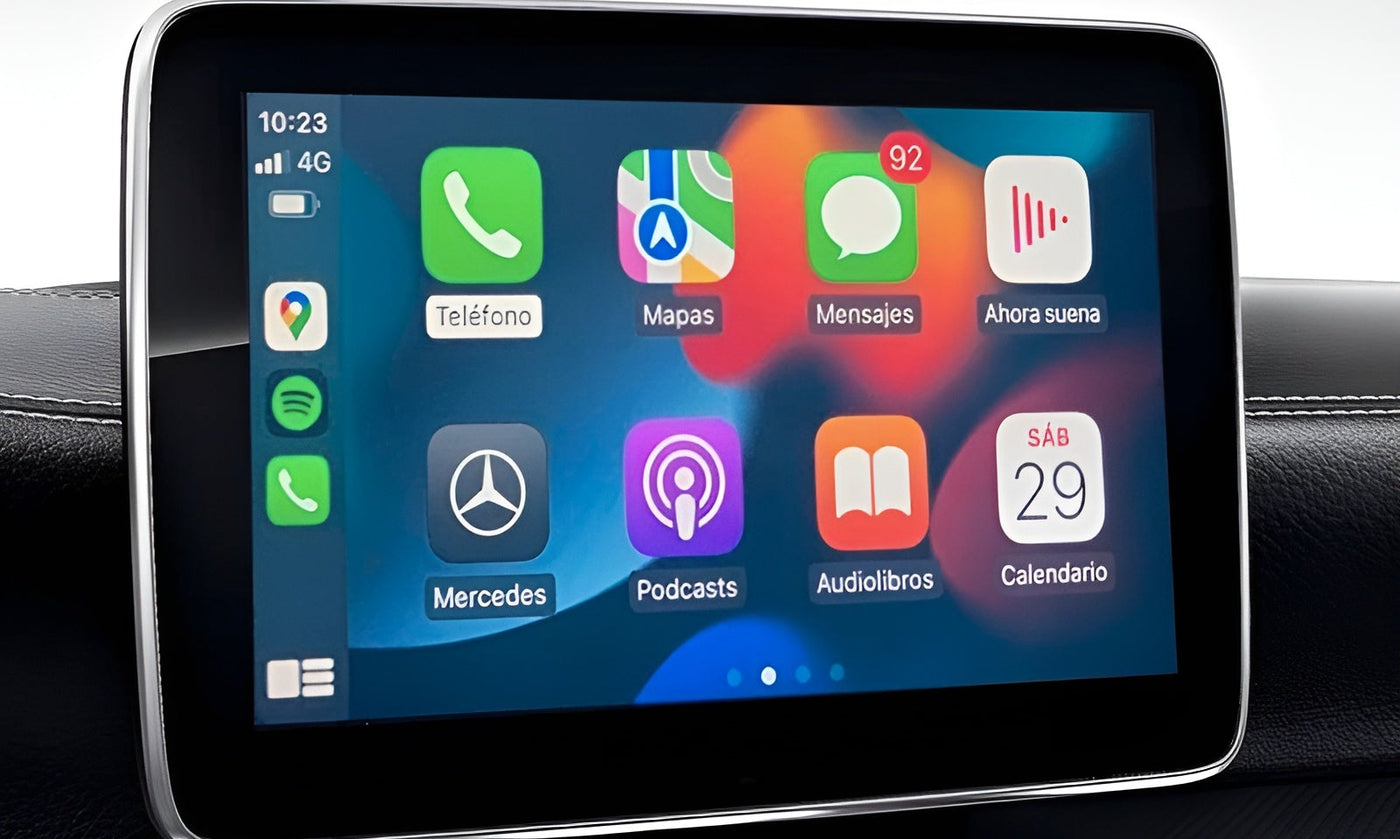
On Toyota models equipped with the Toyota Audio Multimedia system — found on current Camry, RAV4, and Tundra models — some fault notifications may also appear as text messages on the center display. That on-screen message still doesn't replace a full OBD2 scan, which is the only way to retrieve the specific DTC tied to the fault.
What to Do When a Warning Light Comes On
If your check engine light is on but the car seems to drive normally, follow this sequence:
Step 1: Note the light's behavior. Is it steady or flashing? A flashing check engine light changes everything — see the section below.
Step 2: Scan before you assume. Even if the car feels fine, a quick OBD2 scan takes under a minute and tells you exactly what you're dealing with. Don't drive blind.
Step 3: Look up the code. A P0456 (small EVAP leak) isn't urgent. A P0301 (cylinder 1 misfire) is. The code determines the timeline, not the light itself.
Step 4: Fix the cause, not the symptom. The warning light is just the notification. The underlying fault is what needs to be addressed.
Step 5: Clear and verify. After the repair, clear the codes and confirm the OBD2 monitors return to "Ready" after a drive cycle. If the light stays off, the repair worked.

Check engine light on? Don't pay $150 at the dealership just to find out why.
Scan any OBD2 vehicle in under 30 seconds with the Launch X431 CR319. Compact enough for your glove box, powerful enough to skip the dealer visit entirely.
→ Get the OBD2 ScannerRed Warning Lights: Stop Immediately

Oil Pressure Warning: Immediate Engine Damage Risk
The red oil can light signals a critical drop in oil pressure — the lifeblood of your engine's internal components.
Pull over immediately and shut off the engine. Do not restart, even to move the vehicle a short distance. Running an engine without adequate oil pressure can cause irreversible damage within seconds.
Toyota's 2GR-FE and 2AR-FE four-cylinder engines found in models like the Camry and Highlander have a documented history of higher-than-average oil consumption. Owners of these engines should monitor oil levels between changes more closely than the service interval alone would suggest. If the oil pressure warning activates, check the dipstick before assuming a mechanical failure — low oil level is a common trigger on these platforms.

Engine Coolant Temperature: Overheating Warning
The thermometer-in-waves icon is unambiguous: your engine is overheating. This is not a light you drive through.
Pull over safely, turn off the engine, and wait at least 30 minutes before checking anything. Never open the coolant reservoir cap while the engine is hot — pressurized coolant can cause serious burns.
On Toyota Tacoma and 4Runner models equipped with the 4.0L V6, a failing water pump is a known cause of coolant temperature spikes. If you're driving either of these models and the coolant temperature warning comes on, have the water pump and thermostat inspected before returning the vehicle to regular use. On Prius and other Toyota hybrids, the cooling system also serves the inverter — an overheating event on these vehicles requires immediate attention and specialist diagnosis.

Brake Fluid Warning
Brake fluid service is due. This light typically appears in amber as the service interval approaches and turns red once it's overdue.

Brake Pad Wear Indicator
Your brake pads are due for replacement. This indicator appears in amber as wear limit approaches and turns red once it's exceeded. Some vehicles display whether the front or rear axle is affected.

Battery / Charging System Warning
This isn't a weak battery notification — it means the charging system has failed. Your alternator is no longer supplying power to the vehicle.
Pull over and shut off the engine. Call for a tow. Do not attempt to drive: the battery will drain until the car stops running, likely in traffic.
On Toyota Prius, Prius Prime, and RAV4 Hybrid models, there are two separate battery systems to be aware of: the 12V auxiliary battery that powers the vehicle's electronics, and the high-voltage hybrid battery pack. The battery warning light in most cases refers to the 12V system, but a separate hybrid system warning or "Ready" light failure indicates a problem with the high-voltage pack. These are distinct faults requiring different diagnostic approaches — do not confuse them.

Airbag / SRS Warning
A lit airbag light means the supplemental restraint system has a fault. While it's lit, your airbags may not deploy in a collision. Have it diagnosed promptly.
Toyota vehicles from model years 2002–2015 were affected by the widespread Takata airbag inflator recall — one of the largest automotive safety recalls in US history. If you own a Toyota from this era and have not confirmed recall completion, check your VIN at nhtsa.gov before assuming an airbag warning is a routine sensor fault. Outstanding recall repairs on the SRS system must be addressed as a priority.
Amber Warning Lights: Act Soon
Less urgent than red lights, amber warnings are the ones you'll encounter most often. They're early notice before a problem becomes serious.

Check Engine Light (MIL)
The most recognized — and most misunderstood — light on the dashboard. It indicates a fault in the engine management or emissions systems on your Toyota. By itself, it tells you where to look, not what's wrong.
The distinction that matters most: steady vs. flashing. A steady check engine light means a stored fault — address it soon, but the car is generally safe to drive short distances. A flashing check engine light means active misfires are occurring right now. This can destroy your catalytic converter within miles. Reduce speed immediately and get to a shop.
On Toyota Camry and Corolla models with the 2.5L Dynamic Force engine (A25A-FKS), EVAP system codes and VVT-related faults are among the more frequently reported check engine triggers. On Tacoma and Tundra trucks, oxygen sensor degradation is a common cause. In either case, the code — not the light — tells you what you're actually dealing with.
Even if the car drives normally, don't delay. Only a scan will pull the specific fault code and prevent the situation from escalating.

Tire Pressure Warning (TPMS)
One or more tires is significantly underinflated, or there's a pressure differential between tires. This can also trigger after a tire change if the TPMS sensors weren't reset.
Toyota's TPMS is a direct-pressure system — each wheel carries an individual sensor that transmits real-time pressure data to the ECU. After inflating tires to the spec listed on the driver's door jamb sticker, drive above 25 mph for a few minutes to allow the system to update. If the light remains on after inflation, one or more sensors may have a low battery or fault. On RAV4 and Camry models, TPMS sensor battery life is typically 7–10 years, so older vehicles may require sensor replacement rather than a simple reset.

ABS Warning
The anti-lock braking system has a fault. Standard braking still works, but ABS intervention won't be available during emergency stops. Have it diagnosed.

Stability Control / Traction Control Warning
If it flashes while driving, the system is actively intervening — that's normal. If it stays on continuously, there's a fault in the stability system that requires diagnosis.

DPF / Particulate Filter Warning (Diesel)
The diesel particulate filter is clogged. A 20–30 minute highway drive at consistent RPM may trigger automatic regeneration and clear the light. If it persists, a forced regeneration at a shop is needed.
Toyota's diesel offerings in the US market are limited. The Hilux diesel is not sold domestically, and the Land Cruiser diesel variants sold in other markets are not available through US dealerships. If you're operating an imported Toyota diesel in the US, DPF service procedures will generally follow Toyota's global specifications — consult the vehicle's market-of-origin documentation for interval guidance.
Service / Maintenance Due
A scheduled maintenance item is due: oil change, filter replacement, brake fluid, or another routine service item. On Toyota models with the Toyota Maintenance Reminder System, this light may display as "MAINT REQD" and is typically reset via the odometer reset button with the ignition in the ON position — refer to your owner's manual for the exact procedure for your model year.
Safety and Driver Assistance Warning Lights
| Light | Meaning | What to do |
|---|---|---|
| ABS (letters in a circle) | Anti-lock braking system fault | Standard braking still works. Get it diagnosed. |
| Triangle with ! | Stability/traction control fault or manually disabled | Drive conservatively, especially in wet conditions. |
| Flat tire with ! | Low tire pressure | Inflate to spec. If light returns, check for a slow leak. |
| Bulb with ! | Exterior bulb failure | Identify and replace (headlight, turn signal, brake light). |
| Steering wheel with ! | Electric power steering fault | Steering may become heavy. Diagnosis required. |
| Airbag | SRS/airbag system fault | Airbags may not deploy. Immediate diagnosis recommended. |
Green, Blue, and White Lights: Confirmation, Not Warning
These indicators simply confirm a system is active. Your Toyota is keeping you informed, not alerting you to a problem.
Common status indicators
Turn signal arrows, headlight-on confirmation, cruise control active, high-beam indicator (blue). The blue high-beam light is worth paying attention to — remember to switch to low beams when oncoming traffic is present.
On Toyota models equipped with Toyota Safety Sense (TSS) — including Pre-Collision System, Lane Departure Alert, and Radar Cruise Control — green indicator lights confirm these driver assistance features are armed and active. A white or gray icon for the same systems typically means they're available but not currently engaged. If a TSS indicator turns amber, the system has detected an obstruction — such as a dirty radar sensor or camera — and has temporarily disabled itself.

Glow Plug Pre-Heat Indicator — Toyota Diesel Models
On Toyota diesel models sold outside the US — such as the Land Cruiser 70 Series and HiAce with the 1GD-FTV or 2GD-FTV engine — the glow plug pre-heat indicator illuminates briefly at startup in cold conditions. Wait for it to extinguish before cranking the engine. If it stays lit or flashes after startup, a glow plug or glow plug relay fault has been detected and should be diagnosed. This indicator is not present on US-market Toyota gasoline or hybrid models.
Maintenance Intervals: Getting Ahead of Service Warnings
Understanding Toyota Service Schedules
Toyota uses a tiered maintenance structure in the US market. Models covered under ToyotaCare — Toyota's complimentary maintenance program — receive no-cost scheduled maintenance for 2 years or 25,000 miles from the date of purchase, whichever comes first. This covers oil and filter changes and tire rotations at the intervals specified in the owner's manual. After ToyotaCare coverage ends, Toyota recommends following the maintenance schedule in the owner's manual, which for most current models calls for oil changes every 10,000 miles using 0W-20 full synthetic oil. Older models specifying 5,000-mile conventional oil change intervals should continue to follow that schedule. Brake fluid replacement is recommended every 30,000 miles or 3 years. Spark plugs on models with iridium-tipped plugs — including the Camry, RAV4, and Corolla — are rated for up to 120,000 miles under normal conditions.
Common maintenance reminders
These lights aren't fault warnings — they're scheduled reminders to plan a shop visit.
Engine oil life: oil can icon with a mileage or date countdown. Filter replacement: air filter, cabin filter. Brake fluid: recommended every two years regardless of mileage. General inspection: per the Toyota maintenance schedule.
Should You Rely Solely on Warning Lights?
Warning lights are a useful tool, but they're not a substitute for paying attention while driving. A Toyota communicates through sound and feel as much as through the dashboard.
Toyota's electrical architecture is generally considered reliable, but there are documented patterns worth knowing. On older Prius models (Gen 2 and Gen 3), inverter coolant pump failures can cause hybrid system warnings without always triggering a prominent dashboard alert early in the fault progression — a slight drop in fuel economy or an unusual noise from the engine bay are often the first signs. On Sequoia and Tundra models with the 5.7L 3UR-FE V8, secondary air injection pump failures can trigger check engine codes without any obvious driveability symptoms. In both cases, waiting for a warning light to appear means the fault has already progressed — routine OBD2 checks and attentiveness to how the vehicle sounds and feels are the most reliable early-warning tools available.
FAQ
Can I drive my Toyota with the check engine light on?
If the light is steady, the vehicle can generally continue operating, though the engine may enter a reduced-power mode. This typically signals an emissions or engine management fault that needs to be addressed soon. If the light is flashing, stop driving as quickly as it's safe to do so — active misfires can destroy the catalytic converter in a short distance.
What does the "READY" light mean on a Toyota Prius or hybrid model?
The green READY indicator on Toyota hybrid models — including the Prius, Camry Hybrid, and RAV4 Hybrid — confirms that the hybrid system has initialized correctly and the vehicle is ready to drive. It does not mean the gasoline engine is running; the vehicle may move on electric power alone initially. If the READY light fails to illuminate when you start the vehicle, or if it extinguishes unexpectedly while driving, the hybrid system has detected a fault. Do not attempt to drive the vehicle — the high-voltage system requires professional diagnosis.
Why does my Toyota's TPMS light come on in cold weather even though my tires look fine?
Tire pressure drops approximately 1 PSI for every 10°F decrease in ambient temperature. During cold snaps, tires that were properly inflated in warmer conditions can fall below the TPMS threshold overnight, triggering the warning light even with no puncture or leak. Inflate all four tires to the pressure listed on the driver's door jamb sticker — not the maximum pressure printed on the tire sidewall — and drive briefly to allow the TPMS system to update. If the light reappears after the vehicle warms up, or if it doesn't clear after inflation, have the sensors and tire condition inspected.
How does scheduled maintenance work on newer Toyota models?
Current Toyota models in the US display a MAINT REQD reminder light that activates at regular mileage intervals — typically every 5,000 miles — as a prompt to schedule service. This is a time-based counter, not a condition-based sensor, so it activates on schedule regardless of actual oil or component condition. After completing the required service, the reminder is reset manually, usually by holding the odometer trip reset button while cycling the ignition. Resetting the light does not clear any stored fault codes — those require an OBD2 scanner. For model-specific reset procedures, refer to the Toyota owner's manual for your exact model year and trim.