

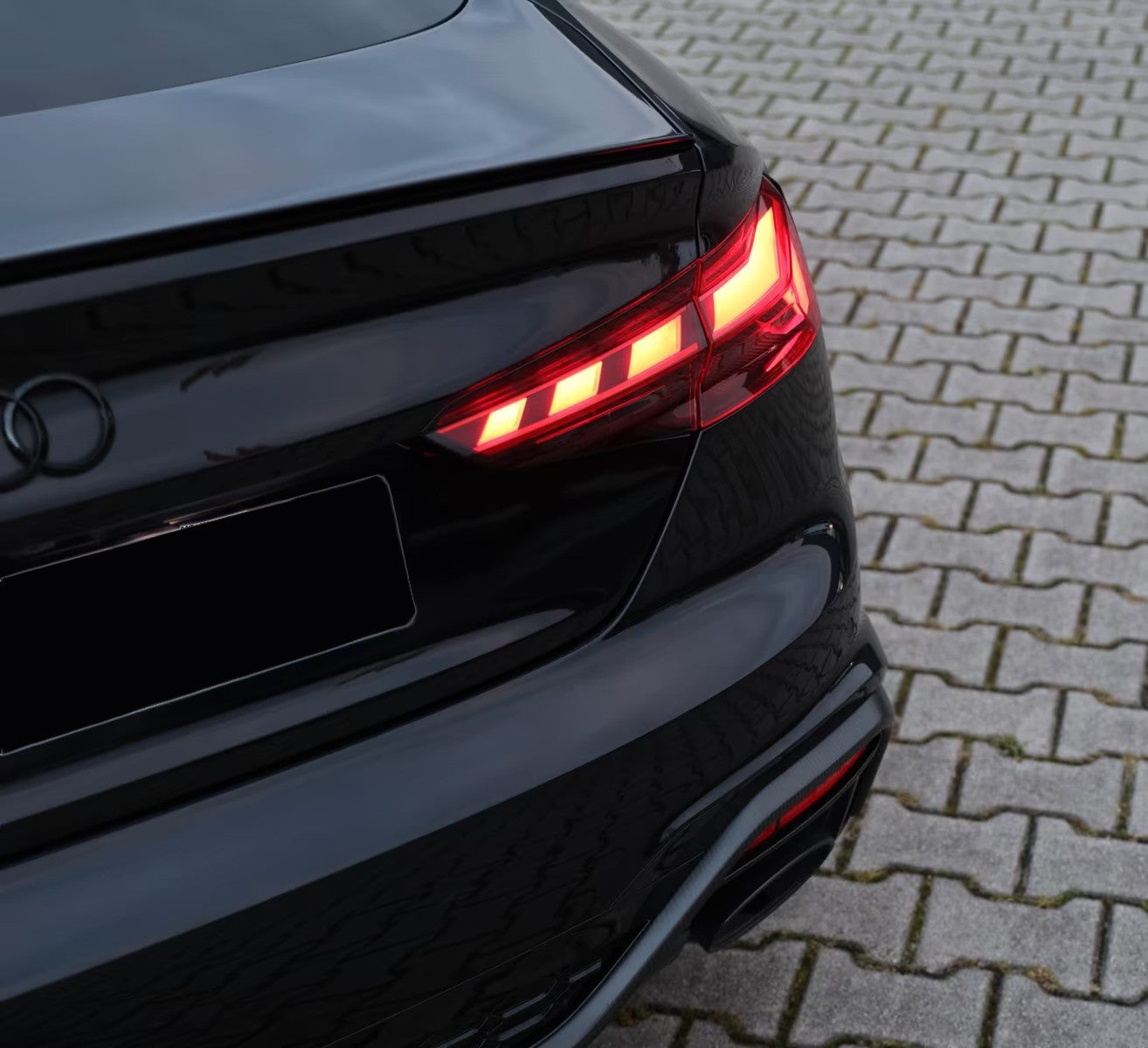
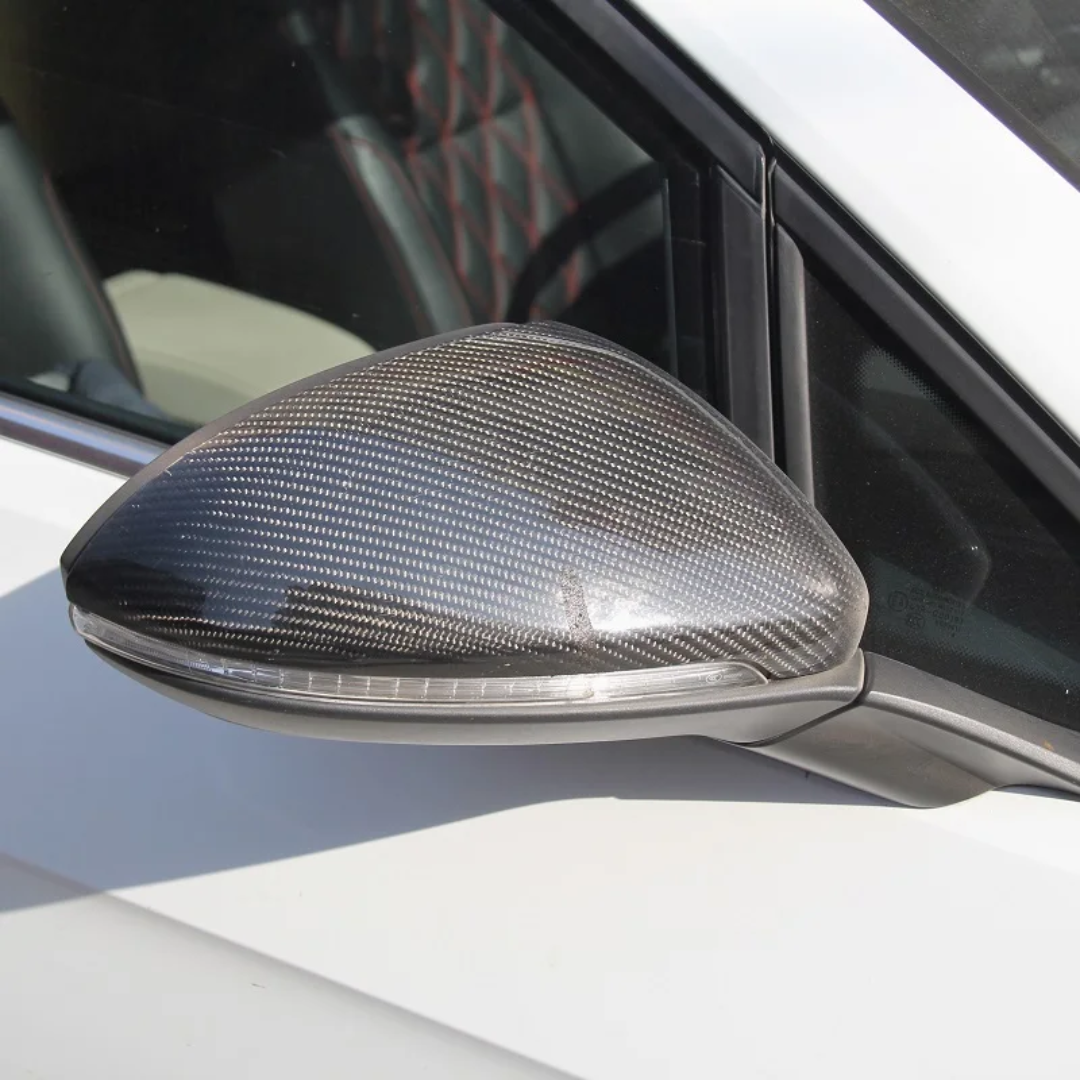


The BMW M5 G30 represents the sixth generation of BMW's legendary M5 nameplate, produced from 2018 to 2023. Built on the same CLAR platform as the standard BMW 5 Series G30, it combines genuine executive sedan comfort with supercar-level performance — a combination very few cars in the world can credibly claim.
For the first time in M5 history, BMW introduced all-wheel drive (M xDrive) as standard, while retaining the option to run in pure rear-wheel drive mode for the driving purists. Under the hood sits the S63 twin-turbocharged 4.4-liter V8, producing between 600 and 627 horsepower depending on the variant.
Used examples are now entering the market at increasingly accessible prices, making the M5 G30 an attractive proposition. But with great power comes great complexity — and potential repair bills that can catch unprepared buyers off guard. This guide covers everything you need to know about the BMW M5 G30's reliability, known issues, and ownership costs before you commit to a purchase.
Parts & Accessories
Your BMW M5 G30 deserves better.
Hand-picked performance and replacement parts — ready to ship.
Shop BMW M5 G30 parts →History and Versions
The BMW M5 G30 was unveiled in 2017 and went on sale for the 2018 model year. It replaced the F10 M5 and introduced several landmark engineering changes, most notably the M xDrive all-wheel-drive system and the revised S63B44T4 engine producing 600 hp in standard trim.
In 2021, BMW released the facelifted M5 Competition as the sole variant in several markets, also bringing mild updates to the standard model. The top-tier M5 CS, introduced for 2022, pushed output to 627 hp and stripped weight aggressively, cementing its status as the most focused factory M5 ever built.
Production of the G30-based M5 concluded in 2023, succeeded by the hybrid M5 G90.
| Engine | Displacement | Power | Torque | 0-60 mph | Notes |
|---|---|---|---|---|---|
| S63B44T4 (M5) | 4.4L Twin-Turbo V8 | 600 hp | 553 lb-ft | 3.2 sec | Standard model, M xDrive standard |
| S63B44T4 (M5 Competition) | 4.4L Twin-Turbo V8 | 617 hp | 553 lb-ft | 3.1 sec | Stiffer suspension, no active roll stabilization sound actuator |
| S63B44T4 (M5 CS) | 4.4L Twin-Turbo V8 | 627 hp | 553 lb-ft | 2.9 sec | Lightest G30 M5, carbon ceramic brakes standard, limited production |
How to Check a Used BMW M5 G30's History
Before buying a used BMW M5 G30, it is essential to ensure full transparency about its past. Undisclosed accidents can hide poor-quality repairs that directly compromise the safety of the driver and passengers.
Given the M5 G30's performance capabilities, the risks of hidden damage are especially serious. A previous high-speed incident may have left misaligned subframe mounting points, unreplaced front airbags, or hastily repaired adaptive suspension components that appear visually intact but are structurally compromised. The M xDrive transfer case, carbon ceramic brake rotors (on CS models), and active rear differential are also expensive assemblies that can sustain hidden damage after aggressive track use or a hard impact. It is therefore strongly recommended to check the vehicle's complete history using its license plate or VIN number before making any purchase decision.
Get an instant 20% discount to access a vehicle's full past with total transparency via carVertical by clicking this link or on the banner below:

Key Strengths
The BMW M5 G30 is widely considered one of the finest performance sedans ever produced, and for good reason.
The S63 twin-turbo V8 delivers extraordinary power with a breadth of torque that makes it usable in everyday driving. The M xDrive system gives it all-weather ability that previous M5 generations simply could not offer, without sacrificing the option for rear-wheel-drive dynamics when conditions allow.
The interior quality is excellent for the class — spacious, well-appointed, and loaded with technology. Long-distance comfort is a genuine strength, with adaptive M suspension that can shift from supple grand-touring compliance to track-ready stiffness at the press of a button.
Compared to its predecessor, the BMW M5 F10, the G30 benefits from significantly improved chassis rigidity, sharper steering response, and a more refined dual-clutch transmission feel from the 8-speed M Steptronic gearbox.
Depreciation has been steep, which works strongly in favor of used buyers willing to absorb the ownership costs of a complex performance vehicle.
Known Reliability Issues
M5 / M5 Competition / M5 CS — S63B44T4
Engine oil consumption The S63 engine is known to consume engine oil between service intervals, particularly on higher-mileage examples. Owners should check the oil level every 1,000 to 1,500 miles. Severity: Moderate. Typically appears from 40,000 miles onward.
Valve stem seals Worn valve stem seals cause blue smoke on cold starts and accelerated oil consumption. This is a labor-intensive repair on the S63 due to the engine's packaging. Severity: Moderate. Typically appears from 50,000 miles.
Fuel injector failure Individual direct fuel injectors can fail, causing rough idle, misfires, or a check engine light. The S63's high-pressure injection system puts significant stress on injectors over time. Severity: Moderate. Typical range: 60,000 to 90,000 miles.
Charge pipe and boost hose failures The intercooler charge pipes and associated hoses are a known weak point. Under sustained boost, they can crack or decouple, resulting in a sudden loss of power and a boost pressure fault code. Severity: Moderate. Typical range: 30,000 to 60,000 miles.
VANOS solenoid issues Faulty VANOS solenoids produce rattling on cold starts and rough idle. They are a relatively affordable fix but appear frequently on higher-mileage S63 units. Severity: Minor. Typical range: 50,000 to 80,000 miles.
Thermostat and cooling system The electric water pump and thermostat housing are common failure points across the S63. A failing water pump can trigger overheating with little warning. Severity: Critical. Typical range: 50,000 to 70,000 miles.
Transmission — 8-Speed M Steptronic (ZF GA8HP90)
Torque converter shudder Some M5 G30 owners have reported a torque converter shudder at low speeds or light throttle, particularly in automatic mode. A transmission fluid change sometimes resolves it; in more persistent cases, torque converter replacement is required. Severity: Moderate. Typical range: 40,000 to 70,000 miles.
Gearbox oil service neglect BMW specifies this transmission as "lifetime fill," but evidence strongly suggests a transmission fluid change every 50,000 miles significantly extends its service life. Neglected units show increased hesitation and harsh shifts. Severity: Moderate if neglected.
Chassis Issues
Front control arm bushings The front lower control arm bushings deteriorate under the stresses of performance driving. Symptoms include vague steering and a clunking noise over bumps. Severity: Moderate. Typical range: 40,000 to 60,000 miles.
Adaptive suspension actuators The electronically controlled dampers can fail individually, producing a noticeably uneven ride and a suspension warning light. Replacement cost per corner is significant. Severity: Moderate. Typical range: 50,000 to 80,000 miles.
Rear subframe mounts On examples with documented track use or aggressive driving history, rear subframe mounting bushings wear prematurely and can affect handling precision. Severity: Moderate. Typical range: 60,000+ miles on driven examples.
Electronics and Software
iDrive infotainment glitches The NBT Evo iDrive system can freeze, reboot spontaneously, or lose Bluetooth pairing. A software update resolves most issues, though some persistent cases require a head unit replacement. Severity: Minor.
Active exhaust valve failure The active exhaust flap actuators are an electronic failure point, causing the exhaust to default to a single note and triggering a warning light. Severity: Minor. Parts cost is manageable, but labor adds up.
Battery drain and 12V battery failure The M5 G30's extensive always-on electronics place high demand on the AGM 12V battery. Premature battery failure — sometimes as early as 3 to 4 years — is a common complaint, particularly on cars that sit unused for extended periods. Severity: Minor to Moderate.
Maintenance and Servicing
The BMW M5 G30 uses a Condition Based Service (CBS) system to monitor fluid and component status. However, given the S63's known oil consumption issues, it is advisable not to rely solely on CBS alerts and to check oil manually at regular intervals.
Recommended service intervals and costs:
- Engine oil change: Every 5,000 to 7,500 miles (using BMW LL-01 approved 5W-30 or 0W-30). Typical cost: $180 to $280 at an independent specialist.
- Spark plugs: Replace every 30,000 miles on a driven M5. The S63's twin-turbo setup accelerates plug wear. Cost: $300 to $500 including labor.
- Brake fluid: Flush every 2 years regardless of mileage. Cost: $100 to $150.
- Coolant flush: Every 4 years or 50,000 miles. Cost: $150 to $220.
- Transmission fluid (ZF 8HP): Every 50,000 miles despite BMW's "lifetime" designation. Cost: $250 to $400.
- Differential fluid (front and rear): Every 50,000 miles. Cost: $200 to $350 for both differentials.
Annual maintenance on a well-serviced M5 G30 typically runs $1,500 to $3,000 at an independent European specialist.
Parts to Watch / Replace First
When buying or servicing a used BMW M5 G30, prioritize inspecting or proactively replacing these components:
-
Electric water pump: Failure can cause rapid overheating. Replace preventively around 60,000 miles if not recently done.
-
Thermostat housing: Prone to cracking and leaking coolant. Inspect at every service.
-
Charge pipes and boost hoses: Inspect all intercooler pipework for cracks, especially at the end fittings. Silicone replacements are a worthwhile upgrade.
-
VANOS solenoids: Inexpensive components that cause outsized problems if neglected. Replace at the first sign of cold-start rattle.
-
Valve cover gasket: Oil leaks from the valve cover are common as the gasket ages. Inspect during any oil change.
-
Front lower control arm bushings: First suspension wear item to check on any test drive. Vague steering is the telltale sign.
-
AGM 12V battery: Test battery health at purchase if the car is over three years old. An out-of-spec battery causes a cascade of electrical gremlins.
-
Fuel injectors: On high-mileage examples, a fuel injector flow test is advisable before purchase.
FAQ
Is the BMW M5 G30 reliable?
The BMW M5 G30 is reasonably reliable for a 600 hp twin-turbocharged performance sedan, but it is not a low-maintenance vehicle. Owners who follow strict service intervals — particularly with regard to oil monitoring and transmission fluid changes — report strong long-term durability. Those who treat it as a plug-and-forget car tend to encounter expensive surprises.
What is the best version of the BMW M5 G30 to buy?
For most buyers, the M5 Competition offers the best balance of power, chassis refinement, and available supply. The standard M5 is slightly softer in suspension tune, which some prefer for daily driving. The M5 CS is the driver's choice but commands a significant premium and is harder to find.
How many miles will a BMW M5 G30 last?
With proper maintenance, a BMW M5 G30 can realistically reach 150,000 to 200,000 miles. The S63 engine is fundamentally strong, but longevity depends heavily on oil change frequency, coolant system maintenance, and whether the car has seen track use.
Is the BMW M5 G30 expensive to maintain?
Yes — budget $1,500 to $3,000 per year for routine maintenance at an independent specialist, and more if deferred items need catching up. Major repairs such as a cooling system overhaul, valve stem seal job, or adaptive damper replacement can each run $2,000 to $5,000+. An extended warranty or a sizable repair fund is strongly advisable.
What mileage should I avoid when buying a used BMW M5 G30?
Be especially cautious with examples over 60,000 miles that have no documented service history. By that mileage, the water pump, VANOS solenoids, charge pipes, and transmission fluid should all have been addressed. A pre-purchase inspection by a BMW specialist is non-negotiable at this mileage range.
How does the M5 G30 compare to the M5 F10?
The G30 is the stronger all-around package — more power, significantly better all-weather capability thanks to M xDrive, and a more modern chassis. The BMW M5 F10 is simpler mechanically in some respects, but the G30's S63B44T4 is a more refined evolution of the same basic engine architecture.
Conclusion
The BMW M5 G30 earns a reliability score of 7/10 for a performance vehicle in its class. Its S63 twin-turbo V8, advanced M xDrive system, and exceptional daily usability make it one of the most compelling used performance sedans on the market today. That said, it demands attentive maintenance, a proactive approach to known weak points, and a realistic repair budget.
Buy one with a clean history, verified service records, and a fresh pre-purchase inspection — and the M5 G30 will reward you with an ownership experience that very few cars can match. Browse our catalog for quality replacement and performance parts to keep your M5 G30 running at its best.