

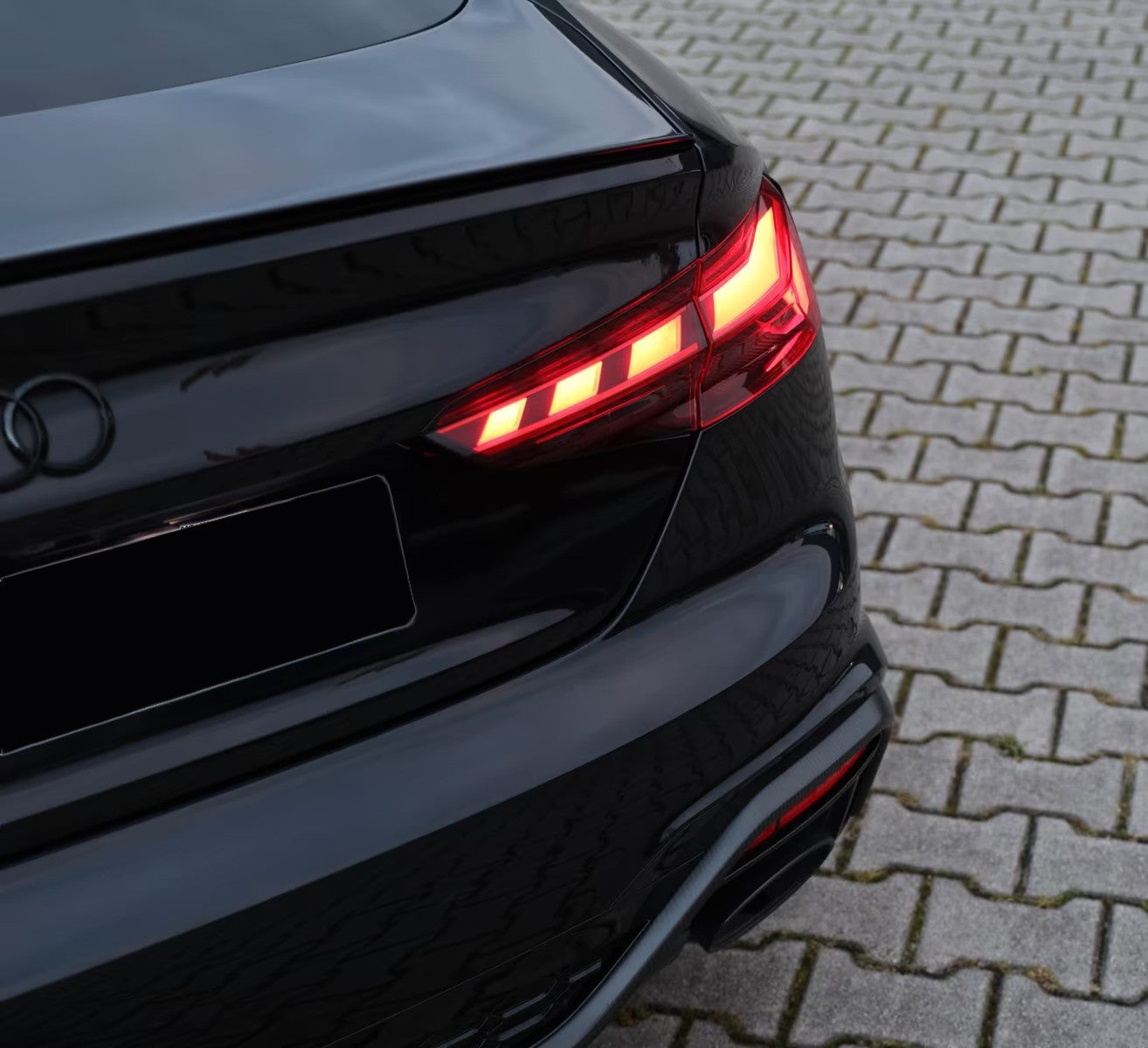


The Audi A3 8V is the third generation of Audi's best-selling compact premium hatchback, produced from 2012 to 2020. Positioned as a more refined and technology-forward alternative to the Golf GTI crowd, the 8V generation brought a sharper design language, a significantly upgraded interior, and a lineup of modern turbocharged engines that appealed to both daily commuters and driving enthusiasts alike.
In the US market, the A3 8V was sold primarily as a sedan (Typ 8VS), giving it a more traditional profile compared to the hatchback body style popular in Europe. It was offered with a focused range of powertrains, making it a relatively streamlined used buy compared to European variants.
Whether you're eyeing the efficient 1.4 TFSI, the punchy 2.0 TFSI, or the torque-rich 2.0 TDI, understanding the A3 8V's reliability profile before signing any paperwork is essential. This guide covers everything you need to know — from known engine issues to maintenance costs — so you can make a confident buying decision.
Parts & Accessories
Your Audi A3 8V deserves better.
Hand-picked performance and replacement parts — ready to ship.
Shop Audi A3 8V parts →History and Versions
The Audi A3 8V debuted at the 2012 Geneva Motor Show and went on sale globally later that year. It was built on the Volkswagen Group's MQB platform, shared with the Golf Mk7, which brought significant improvements in rigidity, weight reduction, and electronics integration.
The US market received the A3 sedan from 2015 onward, replacing the previous 8P generation. A mid-cycle refresh arrived in 2016–2017, bringing revised front styling, updated LED headlights, and improved driver assistance systems. The range included hatchback, sedan, convertible (Cabriolet), and Sportback body styles in various markets.
Production concluded in 2020, with the A3 8Y generation taking over.
| Engine | Displacement | Power | Torque | 0-60 mph | Notes |
|---|---|---|---|---|---|
| 1.4 TFSI (CZEA) | 1.4L Turbo I4 | 150 hp | 184 lb-ft | 8.0 sec | Cylinder deactivation (COD) system |
| 1.8 TFSI (CJSA/CJSB) | 1.8L Turbo I4 | 170 hp | 199 lb-ft | 7.2 sec | EA888 Gen 3, US market base engine |
| 2.0 TFSI (CHHB/DNUA) | 2.0L Turbo I4 | 220 hp | 258 lb-ft | 5.8 sec | S3 and standard A3 quattro (US) |
| 2.0 TDI (CRBC/CRLB) | 2.0L Turbo Diesel I4 | 150 hp | 258 lb-ft | 8.8 sec | EA288 family, diesel gate affected |
| 1.4 TFSI e (CUKB) | 1.4L Plug-in Hybrid | 204 hp | 258 lb-ft | 7.6 sec | A3 e-tron, PHEV variant |
| 2.5 TFSI (DNWA) | 2.5L Turbo I5 | 400 hp | 354 lb-ft | 3.5 sec | RS3 only, EA855 Evo unit |
How to Check a Used Audi A3 8V's History
Before buying a used Audi A3 8V, it is essential to ensure full transparency about its past. Undisclosed accidents can hide poor-quality repairs that directly compromise the safety of the driver and passengers.
The A3 8V's MQB platform, while excellent in terms of rigidity, is particularly sensitive to structural damage. A poorly repaired front-end collision can result in misaligned subframe geometry, unreplaced side-curtain airbags, or hastily welded suspension mounting points — none of which are easily visible during a standard visual inspection. The S-tronic dual-clutch transmission, common across the range, is also expensive to replace if abused by a previous owner who didn't disclose an accident or mechanical event. It is therefore strongly recommended to check the vehicle's complete history using its license plate or VIN number before making any purchase decision.
Get an instant 20% discount to access a vehicle's full past with total transparency via carVertical by clicking this link or on the banner below:

Key Strengths
The A3 8V offers a genuinely premium experience at a price point that undercuts most German rivals. The MQB platform gives it excellent structural rigidity, which translates directly into precise handling and a planted feel on the highway.
Cabin quality is a clear highlight — the interior uses high-grade materials and a well-thought-out ergonomic layout that feels more upmarket than its Golf platform sibling. The MMI infotainment system is intuitive and held up well across the production run.
The engine lineup is another strong suit. The EA888 Gen 3 units powering the 1.8 and 2.0 TFSI variants are among the most developed four-cylinders in the VW Group's history, offering a strong balance between performance and fuel efficiency when properly maintained.
Quattro all-wheel drive availability on higher trims, a wide aftermarket parts network, and strong residual values round out the case for the A3 8V as a smart used buy — especially at the 50,000 to 80,000 mile range.
Known Reliability Issues
1.8 TFSI — EA888 Gen 3 (CJSA/CJSB)
The EA888 Gen 3 1.8 TFSI is generally considered a solid and well-developed turbocharged four-cylinder, especially compared to earlier EA888 generations. However, a few recurring issues are worth monitoring on higher-mileage examples.
The most common concern involves the water pump and thermostat assembly. Like many modern Volkswagen Group engines, the A3 8V uses a plastic composite cooling module that can develop coolant leaks over time. Failures typically appear between 60,000 and 90,000 miles and may lead to overheating if ignored. Symptoms usually include coolant loss, warning lights, or a sweet smell from the engine bay. Severity: Moderate to Critical depending on how quickly the issue is addressed.
Some owners also report mild oil consumption on higher-mileage engines, particularly on cars that followed extended factory oil change intervals. In most cases, consumption remains manageable and far less severe than on older EA888 Gen 1 or Gen 2 engines. Severity: Minor to Moderate.
Carbon buildup on the intake valves is another characteristic of direct-injection engines. Over time, deposits can accumulate and cause rough idle, hesitation, or reduced performance. Walnut blasting is the standard remedy and is typically required after 60,000 to 80,000 miles. Severity: Moderate.
Timing chain issues are significantly less common than on previous EA888 generations, but chain stretch can still occur on poorly maintained or very high-mileage examples. A rattling noise during cold starts should never be ignored. Severity: Moderate to Critical if neglected.
For a deeper look at this engine family, see our Audi EA888 Engine Guide: Reliability, Common Problems & Tuning Potential.
2.0 TFSI — EA888 Gen 3 (CXCB / CJXC / CYFB)
The 2.0 TFSI EA888 Gen 3 fitted to the A3, A3 quattro, and S3 is one of Volkswagen Group’s most refined modern turbocharged engines. It delivers strong performance, good fuel economy, and generally solid long-term durability when serviced correctly.
Like the 1.8 TFSI, the cooling system remains the most frequent weak point. Failures of the water pump and thermostat housing are common enough to be considered a maintenance item on higher-mileage cars. Coolant leaks often develop gradually and should be repaired promptly to avoid overheating. Typical failure range: 60,000 to 100,000 miles. Severity: Moderate to Critical.
Carbon buildup on intake valves also affects this engine family. Because fuel is injected directly into the combustion chamber, the intake valves are not cleaned by gasoline flow, allowing deposits to accumulate over time. Symptoms include rough idle, cold-start misfires, and reduced throttle response. Most engines benefit from intake cleaning around 60,000 miles onward. Severity: Moderate.
The factory diverter valve can weaken over time on tuned or heavily driven cars, causing boost leaks and inconsistent acceleration. Fortunately, replacement is relatively inexpensive and upgraded revisions are widely available. Severity: Minor to Moderate.
While the EA888 Gen 3 largely resolved the major timing chain tensioner failures associated with earlier Audi 2.0T engines, neglected examples with infrequent oil changes can still develop chain stretch at high mileage. Severity: Moderate.
2.0 TDI — EA288 (CRBC / CRLB)
The EA288 diesel is one of the most efficient engines offered in the A3 8V lineup and is generally capable of very high mileage when maintained correctly. However, like most modern diesels, it relies heavily on emissions equipment that can become problematic over time.
The most common issue involves EGR valve and EGR cooler fouling. Carbon and soot deposits gradually accumulate within the system, especially on vehicles used primarily for short trips. Symptoms include rough idle, hesitation, reduced power, and occasional limp mode activation. Problems typically surface after 60,000 to 90,000 miles. Severity: Moderate.
DPF (Diesel Particulate Filter) blockage is another frequent concern on urban-driven cars. Short journeys prevent proper regeneration cycles, eventually triggering warning lights and restricted performance. Regular highway driving significantly reduces the risk. Severity: Moderate.
Some higher-mileage examples also develop issues with AdBlue/DEF system components, including NOx sensors and injectors. These faults are not unique to Audi and are common across many modern diesel vehicles. Severity: Moderate.
US-market TDI variants were heavily affected by the Dieselgate emissions recall campaign, so verifying emissions compliance and software update history remains important before purchase.
2.5 TFSI RS3 — EA855 Evo (DAZA / DNWA)
The 2.5 TFSI five-cylinder used in the RS3 is widely regarded as one of Audi’s best modern performance engines. It combines exceptional tuning potential with strong long-term durability, but maintenance discipline is essential.
Frequent oil changes using the correct high-quality synthetic oil are critical on this engine. Neglected maintenance or incorrect oil specifications can accelerate wear on turbocharger and internal engine components. Severity: Critical if neglected.
Carbon buildup affects the RS3 as well, though it generally develops more slowly than on smaller EA888 engines. Intake cleaning may become necessary beyond 60,000 miles. Severity: Moderate.
On quattro-equipped RS3 models, the Haldex all-wheel drive system requires regular servicing. Missed fluid and filter changes can lead to clutch pack wear or pump failure, eventually compromising rear-wheel engagement. Most issues appear after 40,000 to 60,000 miles on neglected cars. Severity: Moderate to Critical.
Chassis Issues
The MQB platform underneath the A3 8V is generally robust, but several suspension wear items appear consistently as mileage increases.
Front lower control arm bushings commonly wear between 50,000 and 80,000 miles, producing clunking noises over uneven roads and slightly vague steering feel. Fortunately, replacement costs are relatively manageable. Severity: Moderate.
Some higher-mileage cars also develop wear in the rear suspension bushings, leading to instability under braking and uneven rear tire wear. Severity: Moderate.
On S3 and RS3 models, heavily driven examples may show accelerated wear of suspension mounts and adaptive damper components, particularly on cars fitted with larger wheels and driven on rough roads.
Electronics and Software
The A3 8V’s electronics are generally more reliable than those found in older Audi generations, though a few recurring issues still appear over time.
The MMI infotainment system can occasionally freeze, reboot unexpectedly, or experience navigation glitches on older software versions. Most cases are resolved through software updates or system resets.
Some facelift models equipped with full LED headlights have experienced failures of individual LED modules or daytime running light segments. Because the assemblies are integrated, replacement costs can be relatively high. Severity: Moderate.
Occasional sensor-related faults — particularly involving boost pressure, coolant temperature, or fuel pressure sensors — may trigger check engine lights on higher-mileage cars. Most are inexpensive to diagnose and repair.
Maintenance and Servicing
The Audi A3 8V uses Audi’s Flexible Service Interval system, which can extend oil service intervals beyond 10,000 miles depending on driving conditions. In practice, most independent Audi specialists recommend shortening this interval considerably, especially on turbocharged engines.
For both the 1.8 TFSI and 2.0 TFSI, oil and filter changes every 5,000 to 7,500 miles using a VW-approved full synthetic oil dramatically improve long-term engine health. Extended oil intervals are one of the main contributors to timing chain wear and turbocharger degradation.
The DSG/S-tronic transmission should receive fluid and filter service every 40,000 miles regardless of Audi’s “lifetime fluid” marketing language. Skipping these services significantly increases the risk of mechatronic problems and clutch wear.
Spark plugs on TFSI engines should typically be replaced every 30,000 to 40,000 miles, especially on tuned S3 or RS3 models. Brake fluid should be flushed every two years regardless of mileage.
Average maintenance costs at an independent Audi specialist in the United States generally range from $120 to $200 for an oil service, $300 to $500 for a larger maintenance visit, and roughly $400 to $700 for a DSG service. Dealer pricing is usually substantially higher.
Parts to Watch / Replace First
The water pump and thermostat assembly should be monitored closely on all EA888-powered models, as coolant leaks are among the most common ownership complaints.
On higher-mileage cars, inspecting the timing chain system during cold starts is worthwhile, particularly if service history is incomplete or oil changes were infrequent.
The factory PCV valve can eventually fail and cause rough idle, increased oil consumption, or boost-related drivability issues. Fortunately, replacement is inexpensive.
On quattro-equipped models, immediate servicing of the Haldex system is strongly recommended unless recent maintenance records are available.
The DSG mechatronic unit is another important watch point. Rough low-speed shifts, hesitation, or gearbox warning lights should never be ignored, as early intervention is significantly cheaper than full replacement.
Suspension bushings, especially the front lower control arm bushings, are also common wear items on higher-mileage MQB-platform cars.
FAQ
Is the Audi A3 8V reliable?
Yes — the Audi A3 8V is generally considered a reliable premium compact car when maintained correctly. The MQB platform is well engineered, the interior quality holds up exceptionally well over time, and the EA888 Gen 3 engines are far more dependable than earlier Audi turbocharged four-cylinders.
What is the best engine option in the A3 8V?
For most buyers, the 2.0 TFSI quattro offers the best balance of performance, reliability, and everyday usability. The 1.8 TFSI is also a strong option for drivers prioritizing fuel economy, while the 2.5 TFSI in the RS3 delivers outstanding performance at the cost of higher maintenance expenses.
How many miles will an Audi A3 8V last?
A properly maintained A3 8V can realistically exceed 150,000 to 200,000 miles. Regular oil changes, DSG servicing, and proactive cooling system maintenance are the most important factors influencing long-term durability.
Is the Audi A3 8V expensive to maintain?
Maintenance costs are moderate for a German premium vehicle. Independent specialists keep ownership relatively affordable, though repairs involving the DSG transmission, Haldex system, or adaptive suspension can become expensive if neglected.
Which Audi A3 8V variants should I avoid?
Cars with incomplete maintenance history should always be approached cautiously, especially examples with neglected DSG servicing or unresolved cooling system leaks. Diesel variants with unclear emissions recall history also deserve additional scrutiny.
Does the A3 8V have DSG transmission problems?
The DSG/S-tronic transmission is generally reliable when serviced properly. Most reported problems stem from skipped fluid changes or neglected mechatronic servicing. Early symptoms often include jerking at low speed or hesitation when shifting from a standstill.
Conclusion
The Audi A3 8V earns a strong reputation as one of the most well-rounded premium compact cars of its era. It combines solid build quality, refined driving dynamics, and modern technology with a platform that has proven considerably more reliable than many earlier Audi generations.
The EA888 Gen 3 engines are generally dependable when maintained correctly, while the MQB chassis delivers excellent long-term durability with only a handful of predictable wear items. Buy a well-serviced example, stay ahead of routine maintenance, and the A3 8V can provide years of comfortable and enjoyable ownership.