

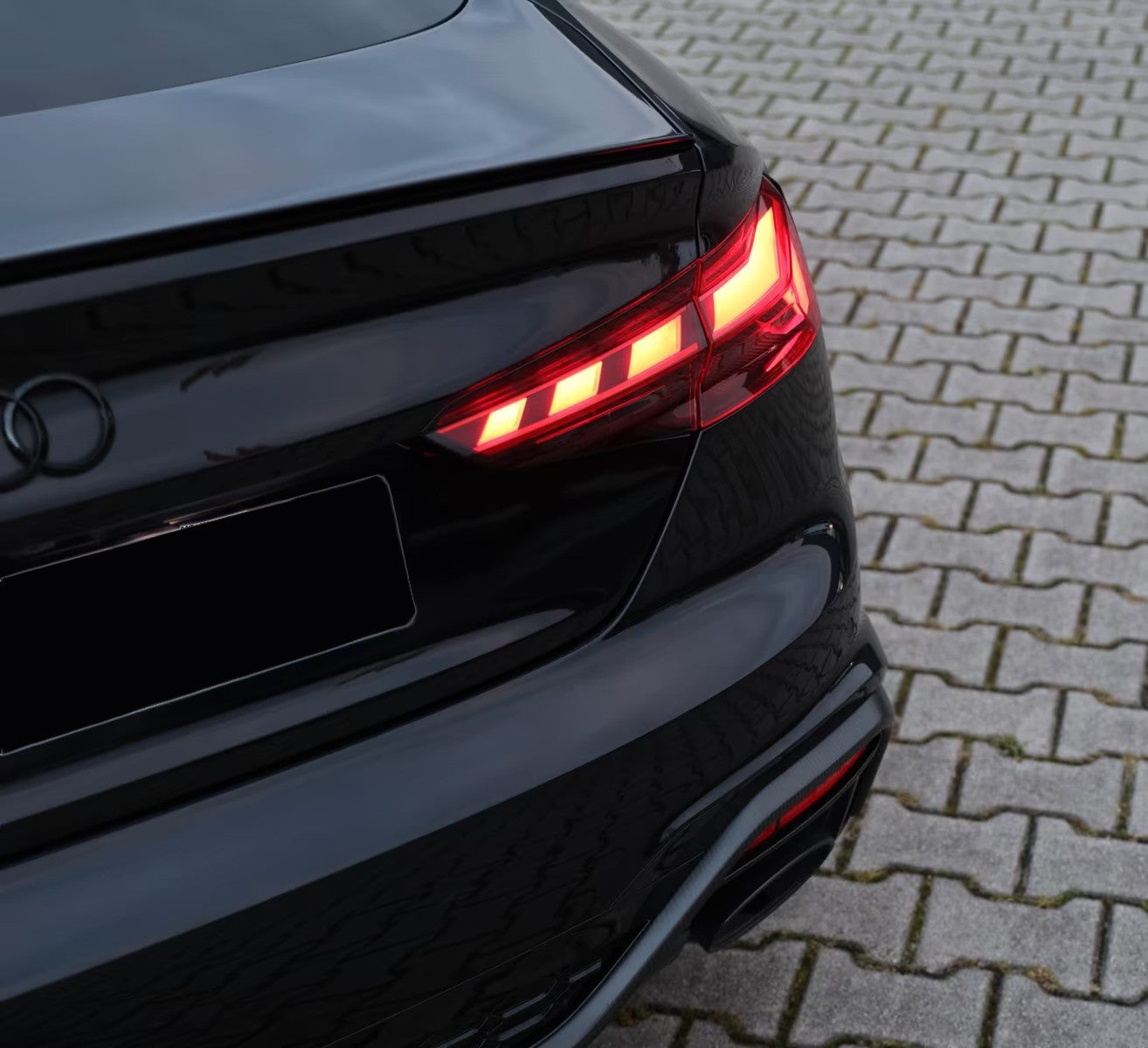


The Audi S8 D3 is one of the most compelling used luxury performance sedans on the market today. Built between 2006 and 2010 on the same D3 platform as the standard A8, the S8 was Audi's answer to the BMW M5 and Mercedes E55 AMG — a discreet, full-size luxury saloon hiding genuinely supercar-rivaling performance beneath its understated sheet metal.
At the heart of the S8 D3 sits a 5.2-liter V10 FSI engine shared with the Lamborghini Gallardo, producing 450 horsepower and channeling it through Audi's legendary quattro all-wheel-drive system. The result is a car that can dispatch 0-60 mph in under five seconds while carrying four adults in near-silent comfort.
Today, S8 D3 prices have dropped to accessible levels for US buyers, making it an enticing proposition. But behind that elegant aluminum bodywork lies a vehicle with genuine complexity — and some costly known issues. This guide covers everything you need to know before handing over the keys.
Parts & Accessories
Your Audi S8 D3 deserves better.
Hand-picked performance and replacement parts — ready to ship.
Shop Audi S8 D3 parts →History and Versions
The Audi S8 D3 represents the second generation of the S8 nameplate, succeeding the D2-generation model from the late 1990s. Production ran from 2006 to 2010, with the car sitting on the D3 platform introduced by the standard A8 in 2002.
Unlike its predecessor, the D3 S8 was offered exclusively with the 5.2-liter V10 FSI (engine code BXA/BSM) paired to a 6-speed Tiptronic automatic transmission. There was no manual option and no diesel variant. A subtle facelift arrived in 2008, bringing minor exterior updates and revised interior trim.
The S8 D3 was sold in the US market as a single specification, with options primarily limited to interior trim, wheel choices, and technology packages such as the Bang & Olufsen audio system and night vision assist.
| Engine | Displacement | Power | Torque | 0-60 mph | Notes |
|---|---|---|---|---|---|
| V10 FSI (BXA) | 5.2L V10 | 450 hp | 398 lb-ft | 4.9 sec | Pre-facelift (2006–2008) |
| V10 FSI (BSM) | 5.2L V10 | 450 hp | 398 lb-ft | 4.9 sec | Post-facelift (2008–2010), minor revisions |
How to Check a Used Audi S8 D3's History
Before buying a used Audi S8 D3, it is essential to ensure full transparency about its past. Undisclosed accidents can hide poor-quality repairs that directly compromise the safety of the driver and passengers.
The S8 D3's aluminum-intensive body construction is particularly unforgiving in this regard. Collision repairs on aluminum panels require specialist equipment and training — a botched repair can leave misaligned body panels, compromised crumple zones, and structurally weakened suspension mounting points that are virtually invisible without a professional inspection. Airbag systems that were deployed and not properly replaced, or adaptive air suspension components that were hastily patched rather than renewed after an impact, represent serious safety risks. It is therefore strongly recommended to check the vehicle's complete history using its license plate or VIN number before making any purchase decision.
Get an instant 20% discount to access a vehicle's full past with total transparency via carVertical by clicking this link or on the banner below:

Key Strengths
The Audi S8 D3 offers a genuinely rare combination of attributes that are hard to find in any used luxury performance car at its current price point.
The 5.2-liter V10 engine is a mechanical masterpiece — smooth, sonorous, and extremely refined. When properly maintained, it is a durable unit capable of high mileage without major internal failures.
The full aluminum spaceframe body (ASF — Audi Space Frame) keeps weight low for a full-size sedan, contributing to sharper handling dynamics than competitors of the era. Combined with quattro all-wheel drive, the S8 D3 is genuinely capable in all weather conditions — a significant advantage over rear-wheel-drive rivals.
Interior quality is exceptional. Audi's attention to material selection and fit and finish in this era was class-leading, and well-preserved examples still feel impressively upmarket today.
Finally, the S8 D3 shares a significant number of components with the standard Audi A8 D3, which makes parts sourcing more straightforward than for some other niche performance models.
Known Reliability Issues
S8 D3 — V10 FSI (BXA / BSM)
Carbon buildup on intake valves The V10 FSI uses direct fuel injection, which means fuel does not wash the intake valves. Over time, carbon deposits accumulate on the valves, causing rough idle, hesitation, and reduced power. Typically appears between 60,000 and 100,000 miles. Severity: Moderate. Walnut blasting or manual cleaning is the standard fix.
Fuel injector failure The high-pressure direct injection system places significant stress on the injectors. Failed injectors cause misfires, rough running, and in some cases fuel dilution of the engine oil. Common from 80,000 miles onward. Severity: Moderate to Critical if left unaddressed.
Timing chain tensioner wear The V10 shares some characteristics with Audi's other FSI engines of the era regarding timing chain and tensioner wear. A rattling noise on cold start is the primary symptom. Early intervention is essential — a failed tensioner can cause catastrophic engine damage. Typically emerges between 70,000 and 120,000 miles. Severity: Critical.
Oil consumption The V10 FSI is known to consume oil, particularly on higher-mileage examples. Consumption of one quart per 1,000–2,000 miles is not unusual and should be monitored closely. Severity: Moderate.
Coolant system leaks Coolant hoses, the water pump, and the thermostat housing are known weak points on the V10. Overheating caused by a neglected coolant leak can cause severe engine damage on any high-performance motor. Watch for coolant warning lights or puddles under the car. Common from 60,000 miles. Severity: Moderate to Critical.
Transmission — 6-Speed Tiptronic (ZF 6HP)
Valve body wear and erratic shifting The ZF 6HP Tiptronic is generally robust but the valve body can develop solenoid wear, causing delayed engagement, harsh shifts, or slipping between gears. Regular fluid changes (every 30,000–40,000 miles) significantly reduce this risk. Appears from 80,000 miles onward in neglected examples. Severity: Moderate.
Torque converter shudder Shuddering under light throttle at highway speeds is a known symptom of torque converter wear in this transmission. Often linked to contaminated or degraded transmission fluid. Severity: Moderate.
Chassis Issues
Adaptive air suspension failure The S8 D3 is equipped with adaptive air suspension as standard. Air struts and the air supply compressor are known failure points. A sagging corner, dashboard warning light, or audible compressor noise on startup are the classic symptoms. Air strut replacement costs are significant — budget $400–$800 per corner for quality parts. Common from 80,000 to 120,000 miles. Severity: Moderate to Critical.
Control arm bushings and ball joints The front control arm bushings and ball joints wear with age and mileage. Symptoms include vague steering, clunking over bumps, and uneven tire wear. Typically due for replacement between 60,000 and 100,000 miles. Severity: Moderate.
Electronics and Software
MMI system malfunctions The first-generation MMI (Multi Media Interface) fitted to the D3 platform is now aging and prone to failures including frozen screens, unresponsive controls, and navigation errors. The MMI control unit and the hard drive are the most common failure points. Severity: Minor to Moderate.
Night vision system faults Optionally fitted night vision cameras and processors can fail with age, producing a blank display or error messages. Repairs are expensive and parts are becoming scarce. Severity: Minor (comfort feature).
Instrument cluster pixel loss The instrument cluster can develop dead pixels or partial display failures — a common issue across D3-era Audi and Volkswagen Group vehicles. Cluster removal and ribbon cable repair is a known DIY fix. Severity: Minor.
Battery drain issues The S8 D3 has numerous control modules that draw power when the car is dormant. A weak or aging AGM battery can cause a cascade of electrical faults and module resets. Replacing the battery proactively (every 4–5 years) prevents many secondary electrical issues. Severity: Minor to Moderate.
Maintenance and Servicing
The Audi S8 D3 demands attentive maintenance. Skipped service intervals on a vehicle of this complexity accelerate wear across multiple systems simultaneously.
Oil and filter changes should be performed every 7,500 to 10,000 miles using a 0W-40 or 5W-40 full synthetic oil meeting VW 502.00 / 503.01 specification. Given the known oil consumption of the V10, checking the oil level every 1,000–2,000 miles between services is strongly recommended.
Transmission fluid (Tiptronic) should be changed every 30,000–40,000 miles, despite the ZF unit being officially "filled for life." Neglecting this is one of the leading causes of premature valve body failure.
Spark plugs on the V10 should be replaced every 40,000 miles. With ten cylinders, the labor cost is considerable — budget $400–$600 at an independent specialist.
Coolant flush every 50,000 miles or five years is essential to prevent corrosion within the aluminum engine and cooling system components.
Air suspension should be inspected at every service for signs of sagging or leaks. Proactive replacement of worn air struts avoids compressor overload and secondary failures.
Expect to spend $800 to $1,500 per year on routine maintenance at a qualified independent Audi specialist. Dealer pricing can be significantly higher.
Parts to Watch / Replace First
Timing chain tensioners — The single most critical preventive replacement on a high-mileage V10. Do not defer this if the mileage or service history is uncertain.
Air suspension struts — Front and rear air struts are wear items. Inspect carefully at purchase and budget for replacement if original units are fitted on a high-mileage example.
Air suspension compressor — Often overworked by leaking struts. If struts are being replaced, inspect the compressor simultaneously.
Coolant hoses and thermostat housing — Age-related cracking and weeping is common. A full coolant system inspection and proactive hose replacement is cheap insurance.
Spark plugs — Ten cylinders mean ten plugs. Confirm replacement history and schedule a change if unknown.
Fuel injectors — Check service records for any previous injector replacements or misfire fault codes.
Transmission fluid and filter — Confirm when last serviced. If unknown, change immediately upon purchase.
AGM battery — A tired battery causes widespread electrical gremlins. Replace if the vehicle is sitting or showing unexplained module faults.
Control arm bushings — Inspect for cracking or play at purchase. Budget for front end refresh if the car has covered over 80,000 miles without documented chassis work.
MMI hard drive and control unit — Assess MMI functionality thoroughly during a test drive. Replacement units are available but sourcing can take time.
FAQ
Is the Audi S8 D3 reliable?
The S8 D3 can be reliable if meticulously maintained, but it is not a car for those seeking low running costs. The V10 FSI engine is mechanically robust at its core, but the complexity of the fuel system, cooling system, and air suspension means that neglected examples accumulate expensive faults quickly. A well-documented, specialist-serviced car is the key to a positive ownership experience.
What is the best engine option in the Audi S8 D3?
There is only one engine choice — the 5.2-liter V10 FSI — in both pre- and post-facelift form. The post-facelift BSM variant (2008–2010) benefits from minor refinements and is generally considered the preferred choice. Either way, full service history is far more important than the specific engine code variant.
How many miles will an Audi S8 D3 last?
A properly maintained S8 D3 can comfortably reach 150,000 to 200,000 miles. The V10 engine itself is durable, but the surrounding systems — particularly the air suspension, cooling system, and transmission — require proactive maintenance to reach those figures without significant failures.
Is the Audi S8 D3 expensive to maintain?
Yes, by most standards. Annual maintenance costs at an independent Audi specialist typically run $800 to $1,500, with major service intervals (spark plugs, transmission fluid, timing chain work) adding significantly more. The aluminum body also means collision repairs are considerably more expensive than on steel-bodied competitors. Budget carefully before purchasing.
What mileage should I avoid when buying an Audi S8 D3?
Be cautious with any example exceeding 100,000 miles that lacks documented timing chain, air suspension, and transmission service history. Undocumented high-mileage cars carry significant risk of multiple simultaneous failures. Equally, very low mileage cars that have sat unused for long periods can have degraded seals, a weak battery, and stale fluids — age matters as much as mileage on the S8 D3.
How does the S8 D3 compare to the standard A8 D3?
The S8 D3 shares the same platform and many components with the Audi A8 D3, but the V10 engine brings its own specific maintenance demands on top of the common platform issues. Buyers who want lower running costs and similar comfort should consider the A8 D3 with the 4.2 V8 instead.
Is the Audi S8 D3 a good used buy?
At current market prices, the S8 D3 represents extraordinary performance and luxury for the money — but only if purchased carefully. A clean, fully serviced example with solid history is a genuinely special car. A neglected one can quickly become a money pit. Thorough pre-purchase inspection by an Audi specialist, combined with a full vehicle history check, is non-negotiable.
Conclusion
The Audi S8 D3 earns a reliability score of 6.5/10 when well maintained — impressive for a vehicle of this performance and complexity, but dependent entirely on conscientious ownership history. The V10 FSI engine is a highlight, the quattro drivetrain is exceptional, and the overall driving experience remains hard to match at its price point. The risks are real but manageable with proper due diligence. Browse our catalog for quality replacement parts to keep your S8 D3 running at its best.