



Buying a Used Audi A7 and S7 C7: Complete Reliability Guide and Which Models to Avoid
The Audi A7 C7 (2012–2018) blends elegant fastback styling with luxury, performance, and everyday practicality. Whether you’re considering the smooth A7 3.0T, the powerful S7, or the efficient TDI, this generation combines Audi’s signature Quattro system with timeless design and cutting-edge technology.
However, as with many modern Audis, long-term reliability depends on choosing the right engine and keeping up with maintenance. In this guide, we’ll explore the real-world reliability of the A7 and S7 C7 — from the best powertrains to the most common issues and which years to avoid.
Overview: How Reliable Is the Audi A7 C7?
The A7 shares its platform, engines, and transmissions with the A6 C7 — meaning it benefits from the same strengths and suffers from similar weaknesses. Overall, it’s one of the more dependable large luxury hatchbacks, but running costs can be high if the car hasn’t been properly maintained.
A well-kept 3.0T model is known to reach over 150,000 miles with minimal issues, while the high-performance S7 demands more careful ownership but rewards with thrilling V8 power.
Common Problems Across All C7 A7 and S7 Models
-
Oil leaks: Common from the valve cover, PCV valve, and oil filter housing.
-
Water pump and thermostat failures: Plastic housings often crack around 60–90k miles.
-
Oil consumption: More frequent in early TFSI engines.
-
Carbon buildup: All direct-injection engines suffer buildup after 60k miles.
-
MMI and electronics glitches: Frozen screen, GPS lag, or Bluetooth connection loss.
-
Air suspension wear: Found on Prestige and higher trims; struts can leak air over time.
-
Control arm bushing wear: Leads to front-end vibration or uneven tire wear.
Engine-by-Engine Reliability Breakdown
Audi A7 3.0 TFSI (Supercharged V6)

The 3.0T supercharged V6 is the most common and arguably the best engine in the A7 lineup. It delivers excellent performance and longevity when serviced on time.
Common issues:
-
Thermostat and water pump leaks.
-
PCV valve failure (causing rough idle and vacuum leaks).
-
Carbon buildup on intake valves.
-
Occasional oil cooler and coolant hose leaks.
Verdict:
One of Audi’s most reliable engines of the 2010s. The 3.0T balances power, refinement, and durability — making it the top recommendation for A7 buyers.
Audi A7 3.0 TDI (Diesel)
Offered in select U.S. models, the 3.0 TDI is known for long-distance reliability and excellent torque, but its complex emissions systems require attention.
Common issues:
-
EGR valve and cooler clogging.
-
DPF (diesel particulate filter) blockage on short-trip cars.
-
Intake swirl flap motor failures.
-
Oil cooler leaks.
Verdict:
Excellent for highway use and efficiency. Avoid examples that have been driven mainly in the city — emissions components don’t like stop-and-go driving.
Audi S7 (4.0 TFSI Twin-Turbo V8)

The S7 transforms the elegant A7 into a high-performance grand tourer. Using the 4.0L twin-turbo V8, it produces between 420–450 hp, depending on year. It’s a masterpiece of engineering, but maintenance costs can be steep.
Common issues:
-
Oil consumption: Early S7s (2013–2014) suffer from valve seal wear.
-
Turbocharger failures: Located in the “hot V,” where heat builds up, leading to oil coking and bearing wear.
-
Timing chain rattle: Typically at cold start beyond 80–90k miles.
-
PCV valve and crankcase breather issues.
-
Carbon buildup: Like all TFSI engines, especially in short-trip cars.
Verdict:
The S7 is thrilling and capable of high mileage with proper maintenance — but avoid neglected or tuned examples. Frequent oil changes (every 5,000 miles) and regular coolant service are essential.
Transmission and Drivetrain Reliability
-
S-Tronic 7-Speed Dual-Clutch (DL501): Found in S7 and some 3.0T A7s. Extremely responsive but requires fluid and filter changes every 35–40k miles. Mechatronic issues can occur if service intervals are ignored.
-
ZF 8-Speed Automatic: Found in most A7 3.0T and TDI models; smooth and long-lasting when serviced every 60k miles.
-
Quattro AWD: Robust and dependable — just ensure front and rear differential fluids are changed periodically.
Which Audi A7/S7 C7 Models to Avoid
-
Early 2012–2014 A7 3.0T models with oil consumption issues.
-
S7s without documented turbo or PCV maintenance — especially those showing smoke or boost lag.
-
Modified/tuned cars without upgraded cooling or regular oil changes.
-
TDI models driven mostly in urban traffic (risk of DPF clogging).
Choosing a well-maintained, stock car with full service records is the key to a reliable ownership experience.
What to Check Before Buying a Used Audi A7 or S7 C7
-
Confirm full service records, including oil, coolant, and transmission fluid changes.
-
Check for oil leaks near the front timing cover and valve cover area.
-
Listen for chain rattle or ticking at cold start (especially on the 4.0T).
-
Scan for ECU fault codes — especially PCV, misfire, or boost pressure errors.
-
Verify MMI screen and infotainment functions work smoothly.
-
Inspect underbody for coolant or oil residue near the subframe.
-
On S7, test drive and monitor for smoke under acceleration (possible turbo wear).
Upgrade and Customize Your Audi A7 or S7 C7
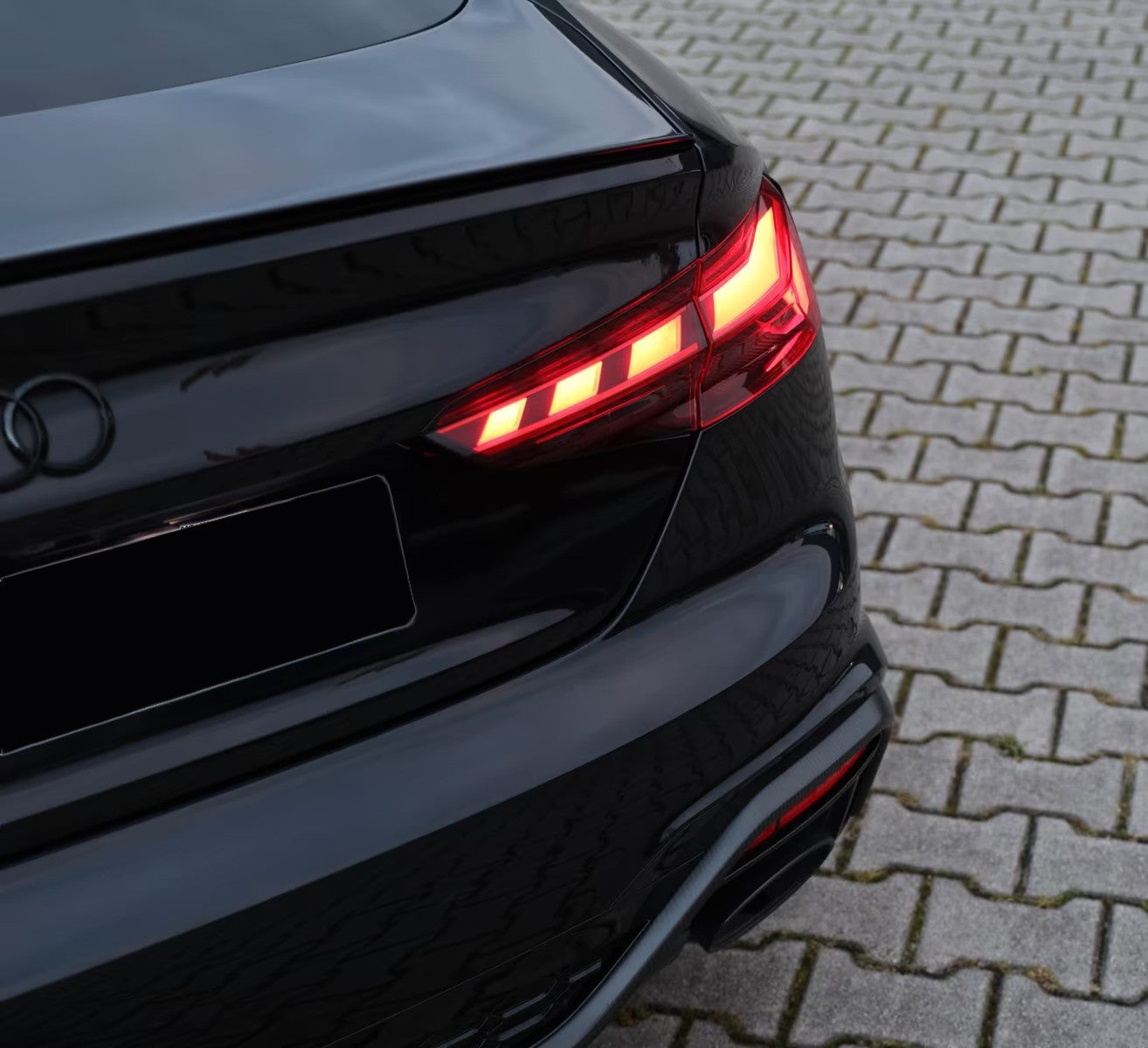
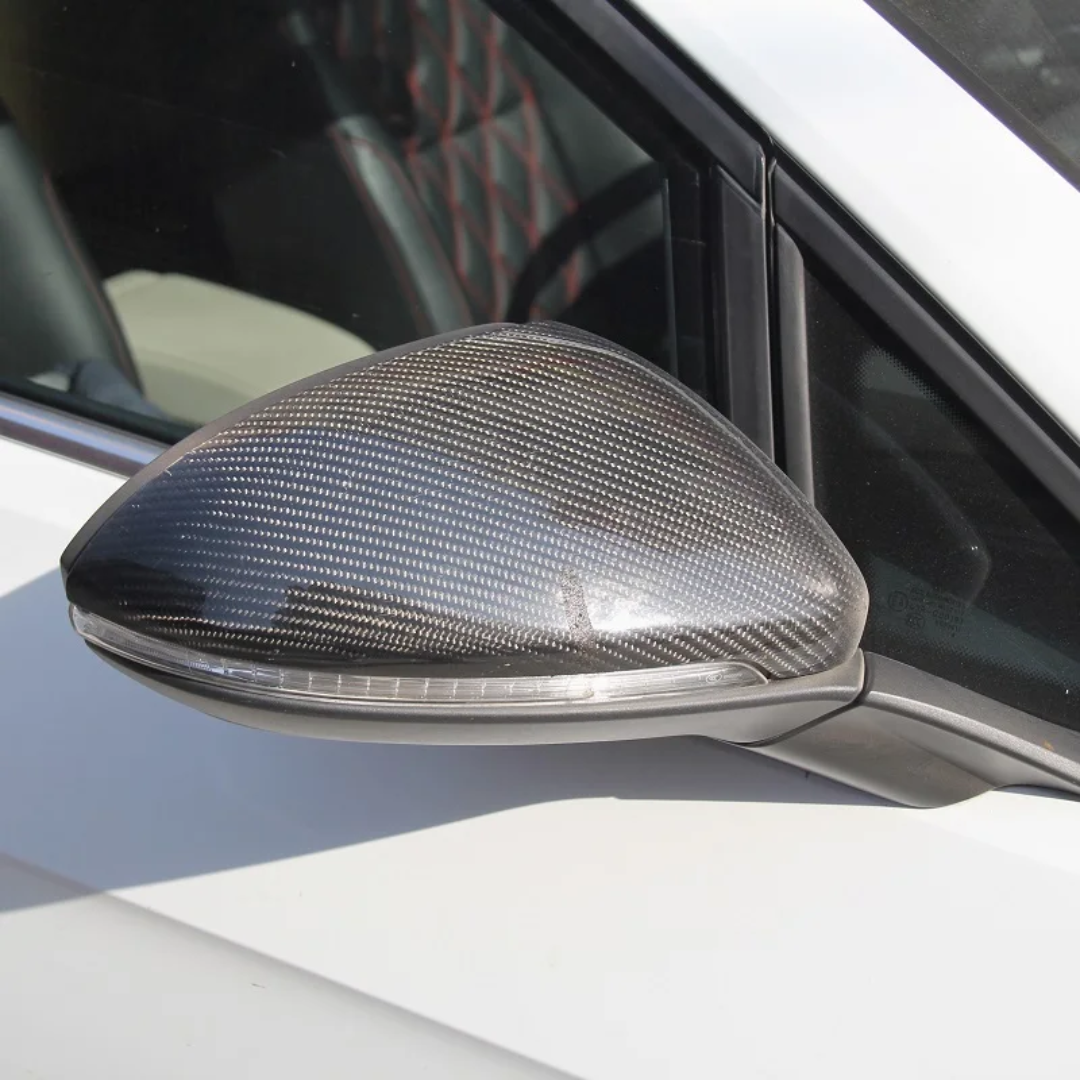
Enhance your Audi’s character with our exclusive range of accessories for the A7 and S7 C7. Add sporty elegance with RS-style honeycomb grilles, black Audi emblems, and carbon fiber mirror caps.

Upgrade your driving experience with CarPlay retrofit modules, carbon interior trims, and paddle shifter extensions.

Finish your build with rear diffusers, spoilers, and front lips inspired by the RS7. Every product comes with free shipping and a 1-year warranty, combining performance, design, and precision for your Audi.
Verdict: Is the Audi A7/S7 C7 Reliable?
The Audi A7 and S7 C7 remain some of the best-balanced luxury cars in their segment — combining timeless design, Quattro performance, and long-distance comfort.
- The A7 3.0T is the best choice for everyday reliability and performance.
- The A7 TDI is efficient but requires careful emissions maintenance.
- The S7 is a fantastic performance car, reliable when serviced meticulously — but ownership costs can be high.
In short: buy a well-maintained example, keep up with fluids and carbon cleaning, and the C7 A7/S7 will reward you with years of refined, powerful motoring.