


Volkswagen Golf Mk8 Reliability Guide
The Volkswagen Golf Mk8, launched in the U.S. for the 2022 model year, continues VW’s tradition of blending practicality, refinement, and performance. Available mainly as the Golf GTI and Golf R, the Mk8 delivers cutting-edge technology, enhanced driver-assistance systems, and powerful turbo engines.
However, early owner reports and reliability data reveal that while the mechanical base remains strong, electronics and software systems are frequent sources of frustration. This guide explores the Mk8’s reliability engine by engine, highlights common problems, and gives you insight into what to expect from this generation.
Overview: What Makes the Mk8 Different
The Mk8 represents an evolution of the MQB platform used in the Mk7, but with a completely redesigned digital cockpit. The interior replaces physical buttons with haptic controls and touchscreen interfaces, and almost every system — from climate to drive modes — runs through Volkswagen’s latest software platform.
While this improves design and connectivity, it also introduces new potential failure points. Owners appreciate the sharper styling, excellent chassis tuning, and upgraded performance of the GTI and R, but reliability surveys place the Mk8 below average for long-term dependability, mainly due to its complex electronics.
How to Check A Car's History
Before buying a used car, it is essential to ensure full transparency about its past. Undisclosed accidents can hide poor-quality repairs that directly compromise the safety of the driver and passengers.
It is therefore strongly recommended to check the vehicle's complete history using its license plate or VIN number before making any purchase decision.
Get an instant 20% discount to access a vehicle's full past with total transparency via carVertical by clicking this link or on the banner below:

Common Reliability Issues in the Golf Mk8
Infotainment and Touch Control Problems
The Mk8’s infotainment system has drawn consistent criticism for lag, freezing, and unresponsive touch sliders for volume and temperature. Software updates from VW have improved stability but not eliminated all glitches. Early models (2022–2023) are particularly affected.
Driver-Assistance System Faults (ADAS)
Owners report intermittent faults with adaptive cruise control, lane assist, and park sensors. These systems can deactivate suddenly or throw “Front Assist unavailable” messages. Most issues are software-related, though some require sensor calibration or replacement.
Electrical System Glitches
Random warning lights, faulty door control modules, and malfunctioning digital dashboards have been reported. Some cars needed complete infotainment unit replacements under warranty.
Mechanical Reliability
The good news: The EA888 turbo engines used in the Mk8 GTI and R are mechanically robust when serviced properly. However, recurring issues include:
-
Water pump and thermostat housing leaks
-
Oil consumption in high-performance versions
-
Turbocharger wastegate rattle
-
Timing chain tensioner wear in neglected engines
These problems are less frequent than in earlier generations but can still appear if maintenance intervals are stretched.
Engine-by-Engine Reliability Breakdown

2.0L Turbo (EA888 Gen 4) – GTI & Golf R
-
Strengths: Excellent performance, improved thermal efficiency, and durable block design.
-
Weaknesses: Early models showed minor oil consumption (especially under hard driving). Some reports of water pump leaks and turbo actuator failures.
-
Maintenance tips: Use VW 504.00-approved synthetic oil and change it every 5,000–7,500 miles. Keep an eye on coolant levels.
-
Verdict: Strong and tunable engine with far fewer issues than the previous Mk7 generation, provided maintenance is meticulous.
1.4L Turbo (EA211) – Base Golf (limited U.S. availability)
-
Strengths: Simple design, good fuel economy, and proven reliability from the Jetta and Tiguan.
-
Weaknesses: Carbon buildup on intake valves, ignition coil failures, and possible wastegate noise.
-
Maintenance tips: Use Top Tier fuel, clean intake every 60k miles, replace coils and plugs preventively.
-
Verdict: The most reliable Mk8 powertrain overall, though not as exciting as the GTI or R.
Plug-In Hybrid (GTE – Europe only)
While not sold in the U.S., it’s worth noting the Mk8 GTE’s plug-in hybrid system has seen inverter and battery software issues abroad, though mechanical reliability remains strong.
Transmission and Drivetrain Reliability
The 7-speed DSG dual-clutch gearbox used in the GTI and R offers lightning-fast shifts but requires regular service.
Common concerns include:
-
Hesitation at low speeds
-
Mechatronic unit fault codes
-
Clutch shudder when hot
Routine DSG fluid changes every 40,000 miles are critical to prevent premature wear. The 6-speed manual transmission remains trouble-free and preferred by enthusiasts seeking long-term reliability.
Electrical and Software Updates
The majority of Mk8 reliability complaints relate to the software stack controlling infotainment, HVAC, and driver-assistance systems. Volkswagen has issued several over-the-air (OTA) and dealer updates to improve stability.
If you’re buying used, make sure the vehicle has received:
-
The latest software update version 1896 or later (U.S. models)
-
ADAS calibration after windshield replacement
-
Updated infotainment unit (part number revisions post-2023)
Buying a Used Golf Mk8 — Key Inspection Points
-
Infotainment responsiveness: Ensure the screen operates smoothly with no lag.
-
Driver-assist reliability: Test adaptive cruise, lane-keep, and parking sensors.
-
Water pump area: Check for dried coolant residue or leaks near the front of the block.
-
Oil consumption: Inspect dipstick levels and ask for maintenance records.
-
DSG service: Verify fluid and filter changes every 40k miles.
-
Warranty status: Many 2022–2023 cars are still covered under VW’s 4-year/50,000-mile warranty — a major plus.
Upgrade and Customize Your Golf Mk8
Enhance your Golf Mk8’s look and technology with our exclusive range of accessories.
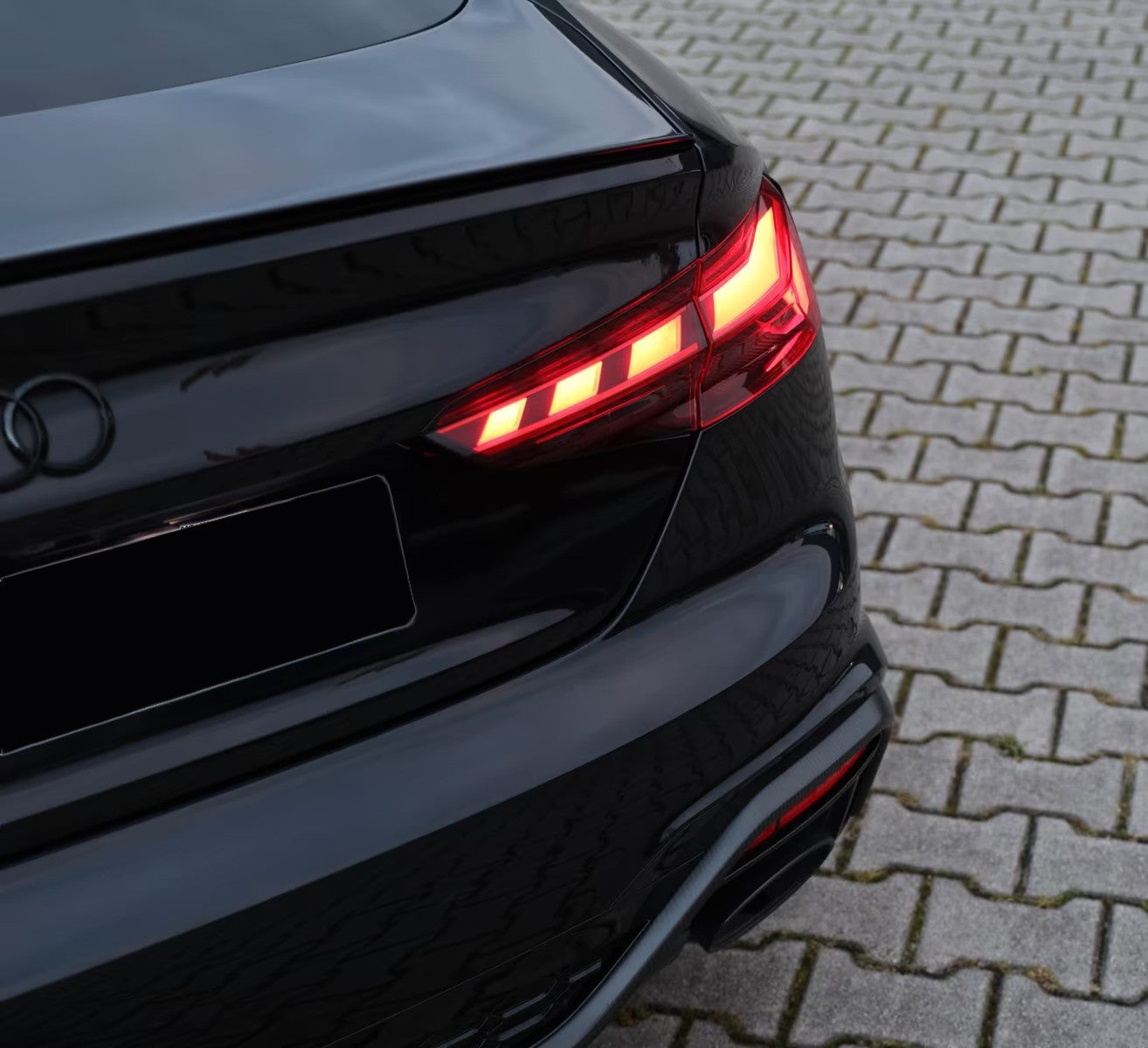
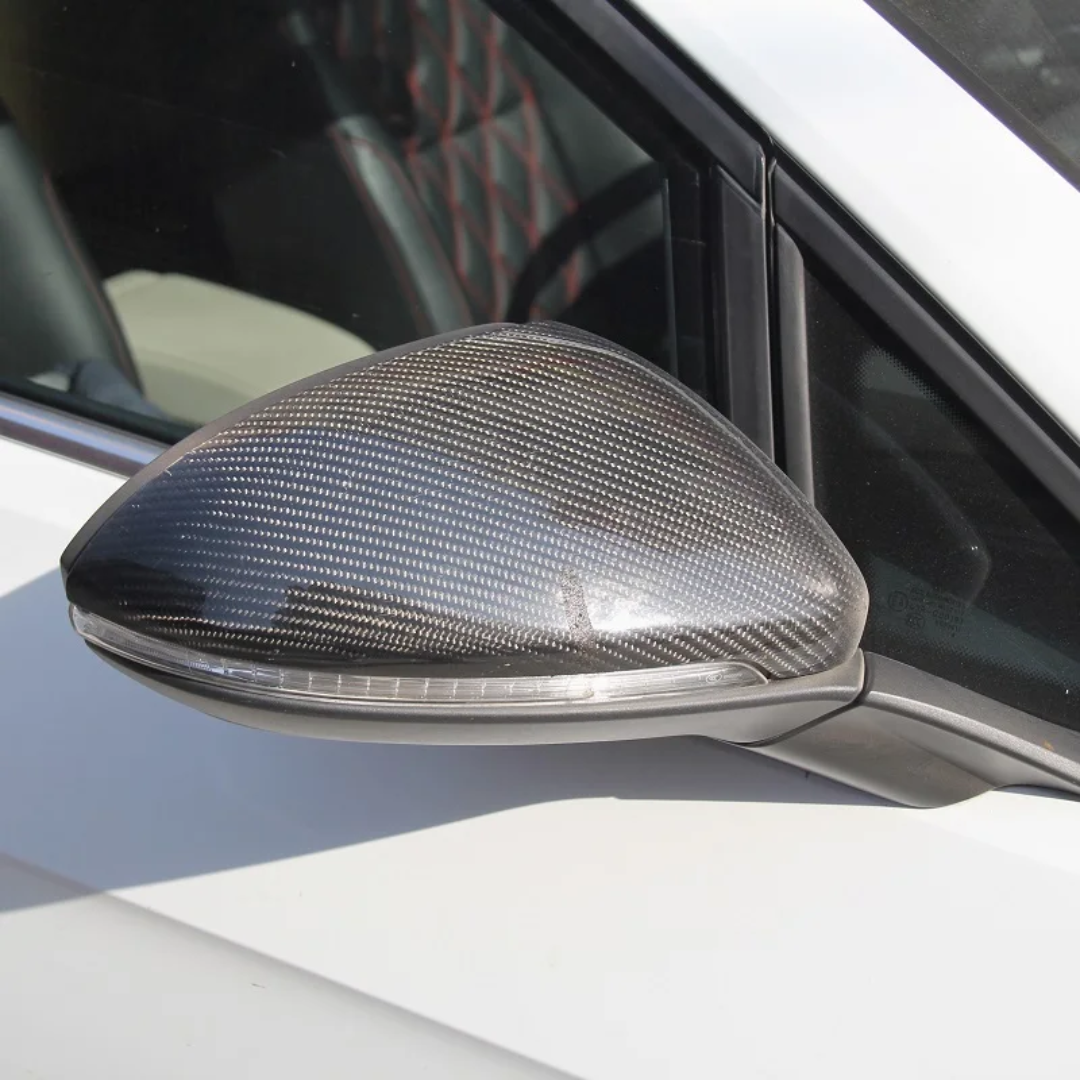
We offer black VW logos, carbon mirror caps, performance-style front grilles, trunk spoilers, and carbon interior trims to elevate your car’s appearance.

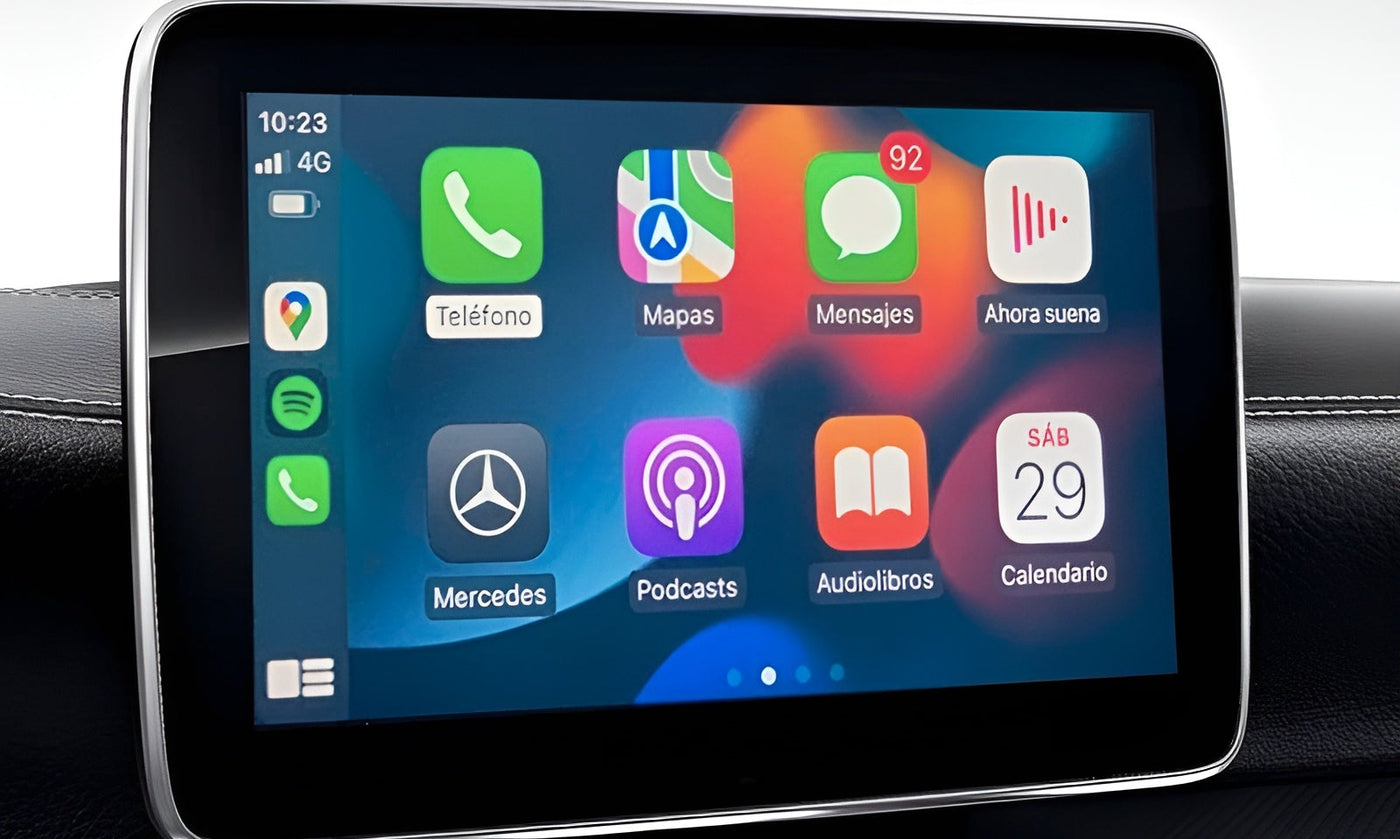
Upgrade your experience with wireless CarPlay modules, steering wheel paddle shifters, and body styling kits tailored for the Mk8 GTI and R.

Every product is engineered for OEM fitment, backed by free shipping and a 1-year warranty for peace of mind.
Verdict: Is the Golf Mk8 Reliable?
The Golf Mk8 is a mechanically solid but electronically fragile car. The engine, suspension, and chassis are proven, but its heavy reliance on software can lead to frustrating ownership experiences if updates are missed.
Pros:
-
Excellent driving dynamics
-
Modern design and comfort
-
Strong engines (EA888 and EA211)
-
Available manual transmission
Cons:
-
Infotainment and software instability
-
Occasional water pump leaks
-
Higher cost of electronics repairs
Best pick: A 2023+ Golf GTI with full service and software update history.
Avoid: Early 2022 builds without OTA update records.