

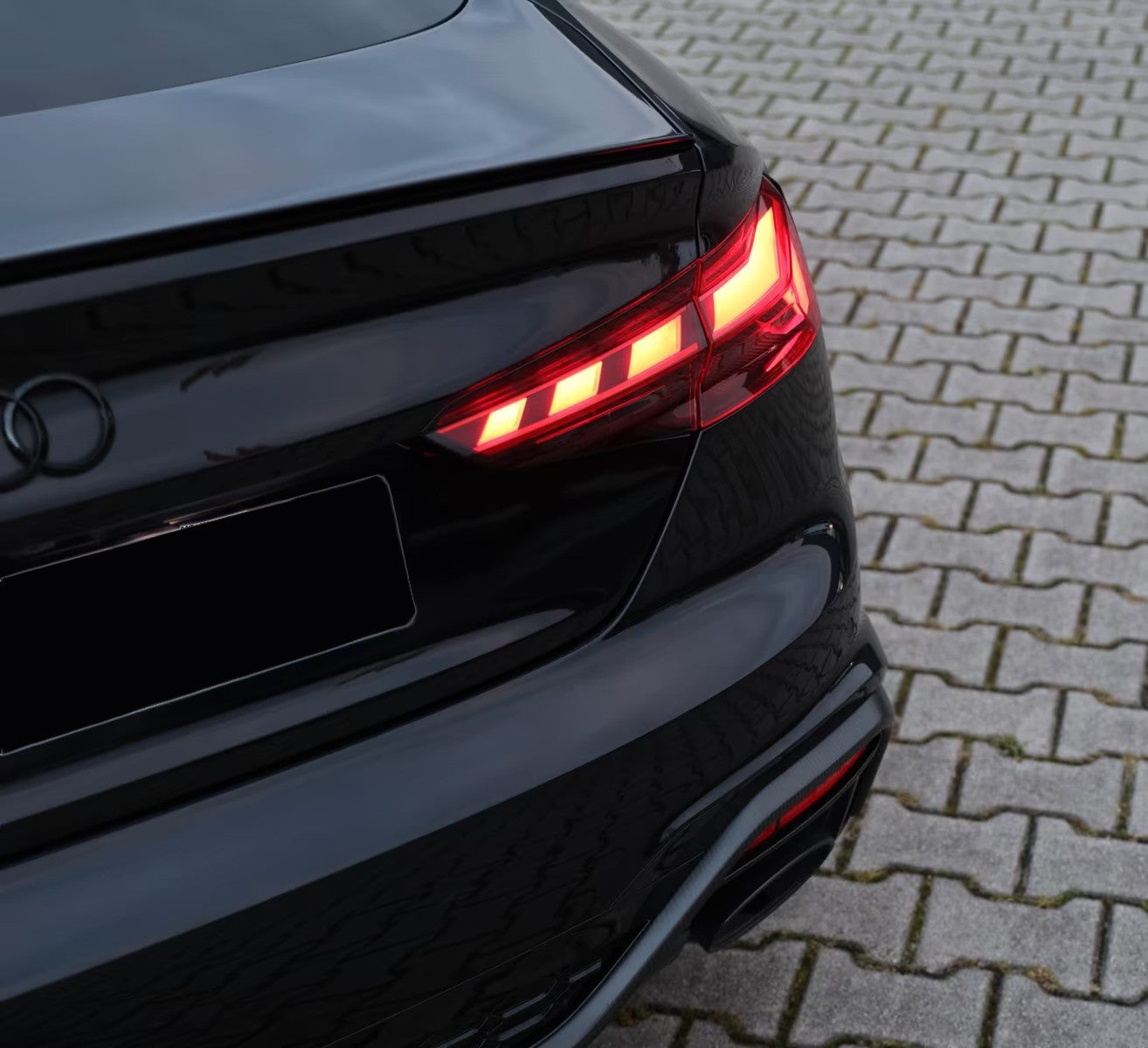


The Audi A5 8T occupies a unique sweet spot in the premium coupe market. Launched in 2007 as Audi's first dedicated coupe platform in years, it quickly earned a reputation for elegant styling, refined driving dynamics, and a broad engine lineup that appealed to both daily drivers and enthusiasts alike.
Built on the B8 platform — shared with the Audi A4 B8 — the A5 8T was offered as a coupe, cabriolet, and five-door Sportback. It targeted buyers who wanted the practicality of an Audi sedan wrapped in a sharper, more driver-focused body style.
Today, used examples are plentiful on the US market, with prices ranging from very accessible to surprisingly high for well-kept S5 models. But before you commit to a purchase, understanding the common reliability issues, maintenance demands, and best engine choices is essential.
This guide covers everything: engine-specific problems, chassis concerns, service intervals, and the parts most likely to need attention — so you can buy with confidence.
Parts & Accessories
Your Audi A5 8T deserves better.
Hand-picked performance and replacement parts — ready to ship.
Shop Audi A5 8T parts →History and Versions
The Audi A5 8T was produced from 2007 to 2017, spanning roughly a decade in production. It received a notable facelift in 2012 (referred to as the 8T3 refresh), which brought revised lighting, updated MMI infotainment, and minor suspension tweaks.
The lineup was extensive, covering four-cylinder and six-cylinder petrol engines, as well as several turbodiesel options. The high-performance S5 and track-focused RS5 rounded out the range. In the US market, the most common variants are the 2.0T TFSI and the 3.0T supercharged V6, while the diesel variants were primarily sold in Europe.
| Engine | Displacement | Power | Torque | 0-60 mph | Notes |
|---|---|---|---|---|---|
| 2.0 TFSI (EA888) | 2.0L Turbo I4 | 211 hp | 258 lb-ft | ~6.5 sec | Most common US variant |
| 3.0 TFSI (EA837) | 3.0L Supercharged V6 | 272–333 hp | 325 lb-ft | ~5.4 sec | S5 variant: 333 hp |
| 4.2 FSI (EA824) | 4.2L NA V8 | 444 hp | 317 lb-ft | ~4.5 sec | RS5 only, high-revving |
| 2.0 TDI (EA189) | 2.0L Turbo Diesel I4 | 143–177 hp | 258–295 lb-ft | ~8.5 sec | Europe only |
| 3.0 TDI (EA897) | 3.0L Turbo Diesel V6 | 204–245 hp | 369–406 lb-ft | ~6.0 sec | Europe only, strong torque |
How to Check a Used Audi A5 8T's History
Before buying a used Audi A5 8T, it is essential to ensure full transparency about its past. Undisclosed accidents can hide poor-quality repairs that directly compromise the safety of the driver and passengers.
The A5 8T's aluminum-intensive front structure and complex multi-link suspension make it particularly vulnerable to hidden damage. Misaligned bodywork panels, unreplaced side curtain airbags, and hastily repaired subframe mounting points are all risks that are invisible to the naked eye during a standard inspection. Given the coupe and cabriolet body styles, structural rigidity is critical — any compromise to the A-pillar or sill sections after an accident can go undetected without a proper history check. It is therefore strongly recommended to check the vehicle's complete history using its license plate or VIN number before making any purchase decision.
Get an instant 20% discount to access a vehicle's full past with total transparency via carVertical by clicking this link or on the banner below:

Key Strengths
The Audi A5 8T has several genuine qualities that make it an attractive used buy.
First and foremost, its build quality is exceptional for the segment. Interior materials, panel gaps, and overall assembly are among the best of its era, giving the car a premium feel that holds up well with age.
The B8 platform is mature, well-documented, and supported by an extensive aftermarket parts ecosystem. DIY mechanics will find it relatively straightforward to work on compared to more exotic competitors.
Engine choice is genuinely strong. The 2.0 TFSI EA888 offers a good balance of performance and fuel economy, while the 3.0 TFSI supercharged V6 delivers effortless power with surprising smoothness. The RS5's 4.2 FSI V8 is a mechanical highlight of the era.
Driving dynamics are polished, with available quattro all-wheel drive providing confidence in varied conditions. The Sportback body adds real practicality without sacrificing the coupe's visual appeal. Overall, the A5 8T is a well-rounded used buy for those willing to stay on top of maintenance.
Known Reliability Issues
2.0 TFSI — EA888
The 2.0 TFSI EA888 is the engine you will encounter most often in US-market A5 8T examples. For a deeper look at this engine's full history and known issues, see our Audi EA888 Engine Guide.
Carbon buildup on intake valves — Direct injection means no fuel wash on the back of the intake valves. Carbon deposits accumulate and cause rough idling, misfires, and loss of power. Severity: Moderate. Typically appears between 50,000 and 80,000 miles.
PCV (positive crankcase ventilation) system failure — The PCV diaphragm cracks over time, causing oil consumption, rough idle, and increased crankcase pressure. Severity: Moderate. Common from 60,000 miles onward.
Oil consumption — Early EA888 Gen 1 units (pre-facelift) are known for elevated oil consumption, sometimes exceeding 1 quart per 1,000 miles in worn examples. Always check oil level before purchase. Severity: Moderate to Critical depending on severity.
Timing chain tensioner wear — The timing chain and its tensioner can wear prematurely on high-mileage units, producing a rattling noise on cold starts. Severity: Critical if ignored. Typically appears beyond 80,000–100,000 miles.
Water pump failure — The plastic impeller water pump is a known weak point across the EA888 family. Failure can lead to overheating with little warning. Severity: Critical. Watch for this from 60,000 miles.
3.0 TFSI — EA837
The supercharged 3.0 TFSI (EA837) found in the A5, S5, and Q5 is a characterful and generally reliable unit, but it has its own specific vulnerabilities. For full details on this engine family, refer to our Audi EA837 Engine Guide.
Supercharger bypass valve failure — The bypass valve can stick or fail, causing hesitation, surging under load, and reduced performance. Severity: Moderate. Common from 60,000–80,000 miles.
Carbon buildup on intake valves — Like the 2.0T, direct injection means carbon accumulation on the intake valves. Walnut blasting is the recommended solution. Severity: Moderate. Appears from 50,000–70,000 miles.
Oil separator / PCV failure — The oil separator membrane deteriorates, leading to oil mist entering the intake and increased consumption. Severity: Moderate. Typically seen beyond 70,000 miles.
Coolant hose and thermostat failures — The 3.0 TFSI runs warm under hard use and has documented failures of the lower coolant hose and thermostat housing. Severity: Moderate to Critical. Watch from 80,000 miles.
RS5 — 4.2 FSI (EA824)
The 4.2 FSI V8 in the RS5 is a magnificent engine but demands respect and careful maintenance.
Carbon buildup — Severe and rapid carbon accumulation is a well-known issue with this naturally aspirated direct-injection V8. Walnut blasting every 40,000–50,000 miles is strongly recommended. Severity: Moderate to Critical.
High oil consumption — The V8 can consume up to 1 quart per 1,500 miles in normal use. This is considered normal by Audi but demands regular monitoring. Severity: Minor to Moderate.
Chassis Issues
Front control arm bushings — The front lower control arm bushings deteriorate with age and mileage, causing clunking over bumps and imprecise steering. Severity: Moderate. Typically from 60,000–80,000 miles or earlier in northern states with poor roads.
Rear subframe bushings — The rear subframe can develop looseness at its mounting points due to bushing wear. Severity: Moderate. More common on higher-mileage examples and quattro variants.
Electronic parking brake (EPB) actuator — The EPB actuator is a recurring fault on the A5 8T, often triggering fault codes and requiring replacement. Severity: Minor to Moderate. Can appear from 50,000 miles.
Electronics and Software
MMI (Multi Media Interface) system faults — The pre-facelift MMI 2G and post-facelift MMI 3G units are prone to screen failures, navigation errors, and module freezes. Severity: Minor. More of an inconvenience than a safety issue.
Instrument cluster pixel failure — The LCD strip in the instrument cluster can lose pixels over time, making certain displays unreadable. Severity: Minor. A common issue across the B8 platform.
Convertible roof mechanism faults (Cabriolet) — The A5 Cabriolet roof motor and hydraulic components can develop leaks and operational faults. Severity: Moderate to Critical depending on extent. Repair costs can be significant.
Maintenance and Servicing
The Audi A5 8T follows a variable service interval system (Audi Service Interval Display), but many independent shops recommend fixed intervals for better long-term reliability.
Oil changes should be performed every 5,000–7,500 miles on the 2.0 TFSI, and every 7,500–10,000 miles on the 3.0 TFSI and 4.2 V8 — always using a VW 502.00 or 504.00 spec full synthetic oil. Never exceed 10,000 miles between changes on a used vehicle with unknown history.
Spark plugs should be replaced every 40,000 miles on all petrol variants. Brake fluid should be flushed every 2 years regardless of mileage.
DSG / S-tronic transmission service (if equipped) should be carried out every 40,000 miles with genuine ATF fluid — Audi's "lifetime fill" recommendation is not realistic for high-mileage vehicles.
Coolant flush is recommended every 4–5 years to prevent corrosion in the aluminum cooling system.
Typical annual service costs at an independent specialist range from $300 to $600 for routine maintenance. RS5 ownership runs higher, with major services easily reaching $800–$1,200.
Parts to Watch / Replace First
Water pump — Plastic impeller design is a known failure point on the EA888 and 3.0 TFSI. Replace proactively around 70,000 miles if not already done.
Thermostat and housing — Often replaced alongside the water pump. The plastic housing is prone to cracking on the 3.0 TFSI.
PCV / oil separator — Cracked diaphragms cause oil consumption and rough idling. An inexpensive fix that is often overlooked on used examples.
Timing chain tensioner — Critical on high-mileage 2.0 TFSI units. A rattling cold start is a warning sign that should not be ignored.
Front lower control arm bushings — Among the first suspension wear items to go. Replace as a pair with quality polyurethane or OEM-spec rubber bushings.
Electronic parking brake actuator — A common fault across the B8 platform. Confirm it functions correctly before purchase.
Spark plugs — Often overdue on used examples. Fresh plugs resolve many minor running issues immediately.
Air filter and cabin filter — Simple but frequently neglected. Replace at every service on a used buy.
Rod bearings (RS5 4.2 V8) — Preventive replacement is strongly recommended on any RS5 with over 60,000 miles and unknown service history.
FAQ
Is the Audi A5 8T reliable?
The A5 8T is generally a reliable vehicle when properly maintained. It is not trouble-free — the 2.0 TFSI has documented issues with oil consumption and carbon buildup — but examples with documented service histories tend to hold up very well past 100,000 miles. It compares favorably to its BMW and Mercedes competitors of the same era.
What is the best engine option in the Audi A5 8T?
For most buyers, the 3.0 TFSI supercharged V6 offers the best combination of performance, refinement, and long-term durability. The 2.0 TFSI EA888 Gen 2 (post-facelift, from 2012) is the most practical and affordable choice. The RS5's 4.2 FSI V8 is spectacular but demands more maintenance attention and higher running costs.
How many miles will an Audi A5 8T last?
A well-maintained A5 8T can comfortably reach 150,000 to 200,000 miles. The key factors are consistent oil changes with the correct specification fluid, proactive cooling system maintenance, and addressing carbon buildup before it becomes severe. Neglected examples can develop serious issues well before 100,000 miles.
Is the Audi A5 8T expensive to maintain?
It sits in the mid-range for premium European vehicles. Routine maintenance at an independent specialist is manageable — expect $400–$700 per year for a typical 2.0T example. The S5 and especially the RS5 cost significantly more to maintain, with the V8 demanding premium consumables and higher labor time for major jobs.
What mileage should I avoid when buying a used A5 8T?
Be cautious of any example with over 80,000 miles that cannot demonstrate a clear service history — particularly regarding oil change intervals. On the 2.0 TFSI, the timing chain tensioner and water pump become critical concerns past this mileage. On the RS5, rod bearing condition on high-mileage cars without documented short oil change intervals is a serious concern.
Which body style should I choose — Coupe, Cabriolet, or Sportback?
The Coupe offers the best structural rigidity and lowest maintenance complexity. The Cabriolet is the most enjoyable in good weather but introduces additional risks related to the folding roof mechanism. The Sportback is the most practical daily driver with near-identical reliability to the Coupe. Avoid high-mileage Cabriolets unless the roof has been recently serviced.
Conclusion
The Audi A5 8T earns a solid 7.5 out of 10 for overall reliability. It is a genuinely well-built premium coupe that rewards conscientious ownership. The most important variables are engine choice, service history, and mileage. Stick to documented examples, prioritize proactive cooling system and oil system maintenance, and the A5 8T will deliver years of satisfying driving. Browse our parts catalog to find everything you need to keep your A5 8T in top condition.