

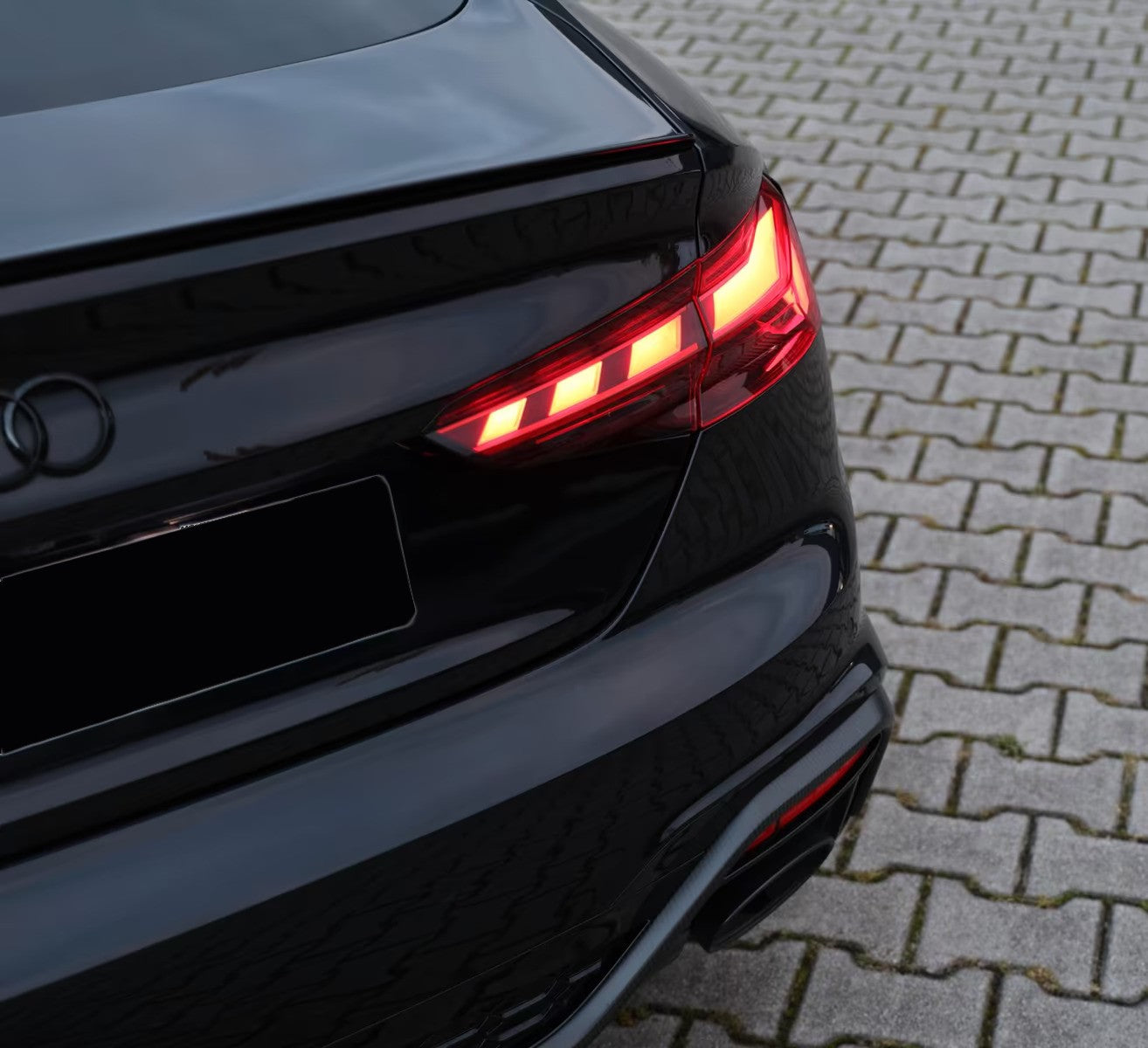


The Audi Q2 GA is the German brand's entry into the premium compact crossover segment — a niche that has exploded in popularity over the last decade. Launched in 2016, the Q2 targets urban drivers who want Audi's signature build quality, quattro all-wheel drive capability, and a distinctive design in a smaller, more maneuverable package.
Positioned below the Q3 in Audi's SUV lineup, the Q2 GA sits on the MQB platform shared with the Volkswagen Golf and the Audi A3 8V, giving it a well-proven mechanical foundation. It competes directly with the BMW X1, the Mini Countryman, and the Mercedes-Benz GLA.
For used car buyers in the US market, the Q2 GA represents a compelling option: relatively affordable entry prices, premium interior quality, and a wide range of engine choices. But like any German vehicle, reliability depends heavily on the specific engine variant, maintenance history, and mileage. This guide covers everything you need to know before buying a used Audi Q2 GA, including common problems, known issues, and key parts to watch.
Parts & Accessories
Your Audi Q2 GA deserves better.
Hand-picked performance and replacement parts — ready to ship.
Shop Audi Q2 GA parts →History and Versions
The Audi Q2 GA entered production in 2016 and has been built at Audi's Ingolstadt facility. It was refreshed with a mild facelift in 2020, bringing updated LED headlights, a revised front bumper, and an upgraded MMI infotainment system with larger touchscreen displays.
Engine options have varied by market, spanning turbocharged petrol and diesel four-cylinders. The range is anchored by the 1.0 TFSI and 1.5 TFSI for entry-level buyers, while the performance-oriented 2.0 TFSI powers the SQ2 variant with up to 300 hp. Diesel options included 1.6 TDI and 2.0 TDI units. The EA211 petrol engine family and the EA288 diesel family form the backbone of the Q2's lineup.
| Engine | Displacement | Power | Torque | 0-60 mph | Notes |
|---|---|---|---|---|---|
| 1.0 TFSI (CHZB/DKJA) | 999 cc | 116 hp | 200 Nm | 9.8 sec | 3-cylinder, entry petrol |
| 1.4 TFSI (CZEA) | 1395 cc | 150 hp | 250 Nm | 8.2 sec | 4-cylinder, cylinder-on-demand |
| 1.5 TFSI (DADA) | 1498 cc | 150 hp | 250 Nm | 8.2 sec | Replaced 1.4 TFSI post-2018 |
| 2.0 TFSI (DNUE) | 1984 cc | 190 hp | 320 Nm | 6.8 sec | Quattro or FWD |
| 2.0 TFSI SQ2 (DNPB) | 1984 cc | 300 hp | 400 Nm | 4.8 sec | EA888 Gen 3B, quattro only |
| 1.6 TDI (DDYA) | 1598 cc | 116 hp | 250 Nm | 10.5 sec | FWD only, EA288 |
| 2.0 TDI (DFHA/DGTE) | 1968 cc | 150-190 hp | 340-400 Nm | 7.7 sec | Quattro available |
How to Check a Used Audi Q2 GA's History
Before buying a used Audi Q2 GA, it is essential to ensure full transparency about its past. Undisclosed accidents can hide poor-quality repairs that directly compromise the safety of the driver and passengers.
On the Q2 GA specifically, risks invisible to the naked eye include misaligned body panels around the frameless door design, unreplaced side curtain airbags after a collision, and hastily repaired front subframe components following low-speed impacts. The MQB platform's front crash structure is engineered to deform in a controlled way — but amateur repairs can leave the geometry compromised without any visible sign. It is therefore strongly recommended to check the vehicle's complete history using its license plate or VIN number before making any purchase decision.
Get an instant 20% discount to access a vehicle's full past with total transparency via carVertical by clicking this link or on the banner below:

Key Strengths
The Audi Q2 GA has several genuine strengths that make it an attractive used buy.
First and foremost, its MQB platform is one of the most refined and well-proven architectures in the segment. Shared with the Golf 7 and the Audi A3 8V, it means parts are widely available and independent mechanics are familiar with its quirks.
Build quality is genuinely strong. Interior panel fit, switchgear durability, and seat materials hold up well over high mileage, which is not always the case in this segment.
The quattro all-wheel drive system on 2.0 TFSI and 2.0 TDI variants provides confident handling in winter conditions — a real advantage in northern US states.
Finally, the Q2 GA's compact footprint (under 170 inches long) makes it genuinely easy to live with in urban environments, while still offering practical cargo space for a vehicle of its size.
Known Reliability Issues
1.0 TFSI — CHZB / DKJA
The three-cylinder 1.0 TFSI is generally a robust engine for urban use, but a few issues deserve attention.
Carbon buildup on intake valves: Like all direct-injection engines, the 1.0 TFSI accumulates carbon deposits on the back of intake valves over time. This typically becomes noticeable between 40,000 and 70,000 miles, causing rough idle and reduced throttle response. A walnut blasting service is the recommended fix.
Thermostat failure: The plastic thermostat housing is known to crack or fail, causing coolant loss and potential overheating. Severity: Moderate. Typical onset: 60,000-90,000 miles.
1.4 TFSI / 1.5 TFSI — CZEA / DADA
The 1.4 TFSI CZEA features a cylinder deactivation system (COD — Cylinder On Demand) that shuts off two cylinders under light load to save fuel. While clever in theory, the system adds complexity.
COD actuator failure: The solenoids controlling cylinder deactivation can stick or fail, triggering a check engine light and rough running. Severity: Moderate. Typical onset: 40,000-60,000 miles.
Carbon buildup: Same direct-injection carbon deposit issue as the 1.0 TFSI. Walnut blasting is recommended around 50,000-60,000 miles.
The 1.5 TFSI DADA that replaced it post-2018 is generally considered more refined and largely free of the COD actuator issues, making it the preferred petrol choice in the non-SQ2 range.
2.0 TFSI (190 hp) — EA888 Gen 3
The EA888 Gen 3 in 190 hp tune is a well-sorted engine overall. For a full breakdown of its characteristics, see our Audi EA888 Engine Guide.
Oil consumption: Some EA888 Gen 3 units consume oil between services. Check the dipstick and look for blue smoke on hard acceleration. Severity: Moderate. Typical onset: 60,000-100,000 miles.
Water pump failure: The plastic impeller water pump is a known weak point on this engine family. Failure leads to rapid overheating. Severity: Critical. Typical onset: 60,000-80,000 miles.
SQ2 — 2.0 TFSI DNPB (EA888 Gen 3B)
The SQ2 is the hot version of the range with 300 hp and a sport-tuned quattro system. It is generally well-engineered but carries some specific risks.
DSG7 (DQ381) mechatronic wear: The SQ2 pairs exclusively with the DQ381 seven-speed wet DSG. The mechatronic unit controlling gear changes can develop hesitation and shudder if the DSG fluid is not changed every 40,000 miles. Severity: Moderate.
High-pressure fuel pump (HPFP) noise: Some SQ2 owners report a ticking or rattling noise from the HPFP, especially at idle. This is often more of an acoustic issue than a mechanical failure, but worth monitoring. Severity: Minor. Typical onset: variable.
1.6 TDI / 2.0 TDI — EA288
The EA288 diesel family fitted to the Q2 is generally solid and well-suited to higher mileage use. For a detailed breakdown, refer to our Audi EA288 Engine Guide.
EGR valve fouling: The exhaust gas recirculation valve accumulates soot deposits, especially on vehicles used predominantly in city traffic. This causes rough idle and reduced performance. Severity: Moderate. Typical onset: 60,000-80,000 miles.
DPF (Diesel Particulate Filter) blockage: The DPF requires regular motorway driving to regenerate properly. City-only use accelerates blockage. A blocked DPF repair can cost $800-$1,500. Severity: Moderate to Critical if ignored. Typical onset: 40,000-70,000 miles.
AdBlue system issues (2.0 TDI post-2017): Later 2.0 TDI units use SCR emissions control with AdBlue injection. The AdBlue injector and NOx sensors can fail, triggering warning lights. Severity: Moderate. Typical onset: 70,000-100,000 miles.
Chassis Issues
Front lower control arm bushings: The MQB front suspension uses pressed-in rubber bushings that deteriorate with age and high mileage. Worn bushings cause vague steering and clunking over bumps. Severity: Moderate. Typical onset: 60,000-80,000 miles.
Rear suspension trailing arm bushings: On quattro models, the rear multi-link suspension trailing arm bushings can crack, particularly in regions with harsh winter roads and salt exposure. Severity: Moderate. Typical onset: 70,000-100,000 miles.
Electronics and Software
MMI infotainment freezing: Pre-facelift Q2 models (pre-2020) with the older MMI system are prone to occasional screen freezes and slow response. A software update usually resolves it.
Sensor malfunctions: Parking sensors and blind-spot monitoring radar units can fail or give false alerts, particularly after minor front-end impacts. These sensors are calibration-sensitive and must be professionally realigned after any bumper work.
Maintenance and Servicing
The Audi Q2 GA follows Audi's variable service interval system (Audi Service Interval Display), but independent mechanics generally recommend not exceeding 10,000 miles or 12 months between oil changes — especially on turbocharged petrol units.
Key service intervals to observe:
- Engine oil change: Every 10,000 miles or annually. Use VW 504 00 / 507 00 specification oil for petrol, VW 507 00 for diesel.
- DSG fluid (S-tronic): Every 40,000 miles — do not skip this on DSG-equipped models.
- Spark plugs: Every 40,000 miles on petrol engines.
- Timing belt (2.0 TDI): Every 120,000 miles or 6 years — whichever comes first. This is critical; a snapped belt means engine destruction.
- Brake fluid: Every 2 years, regardless of mileage.
- Coolant: Every 4 years or as indicated.
Average service costs at an independent specialist:
- Standard oil service: $150-$250
- Major service (including filters, spark plugs): $400-$600
- DSG fluid change: $200-$350
- Timing belt kit (2.0 TDI): $600-$900 including labor
Parts to Watch / Replace First
Water pump (EA888 petrol engines): The factory plastic impeller pump is a known failure point. Replace it with an upgraded metal impeller unit proactively around 60,000-70,000 miles to avoid sudden overheating.
Timing chain tensioner (1.0 TFSI): Listen for cold-start rattle. If present, replace the tensioner and chain as a precaution before the chain skips and causes valve damage.
DSG mechatronic unit filter and fluid: On all DSG-equipped Q2 variants, fresh fluid dramatically extends the life of the transmission. This is the single highest-impact preventive service on these models.
EGR valve (TDI models): Susceptible to soot fouling. A cleaning service or replacement at high mileage prevents rough running and potential inlet manifold issues downstream.
Lower front control arm bushings: Inspect at every service after 60,000 miles. Worn bushings compromise steering precision and tire wear.
DPF (diesel models): Verify its condition with a forced regeneration diagnostic before purchase. A blocked or cracked DPF is an expensive repair that should be factored into any negotiation.
Brake pads and rotors: The Q2's relatively compact brakes wear faster on sporty driving styles. Inspect thickness and rotor surface condition carefully, especially on SQ2 examples.
FAQ
Is the Audi Q2 GA reliable?
Overall, yes — the Q2 GA is one of the more reliable compact premium crossovers available on the used market. Its MQB platform is mature and well-understood, and build quality is genuinely strong. Reliability depends heavily on engine choice and maintenance history, with the 1.5 TFSI and 2.0 TDI being the most trouble-free options.
What is the best engine option in the Audi Q2 GA?
For most used buyers, the 1.5 TFSI (DADA) offers the best balance of performance, efficiency, and reliability without the complexity of the older 1.4 TFSI COD system. For diesel mileage, the 2.0 TDI 150 hp with quattro is the most capable and durable choice if the DPF history is clean.
How many miles will an Audi Q2 GA last?
A well-maintained Q2 GA can comfortably reach 150,000-200,000 miles without major drivetrain issues. Diesel variants, with their inherently robust low-rev torque delivery, tend to last toward the higher end of that range. Key factors are regular oil changes, DSG fluid servicing, and avoiding DPF damage on diesel models.
Is the Audi Q2 GA expensive to maintain?
Maintenance costs are moderate for the premium segment — higher than a mainstream brand like Toyota, but lower than a BMW X1 or Mercedes GLA of equivalent spec. Expect to spend $800-$1,500 per year on routine maintenance, depending on mileage and whether you use a dealer or an independent specialist.
Which Audi Q2 GA variants should I avoid?
Avoid early 1.4 TFSI CZEA examples with high mileage if the COD system has not been addressed — the actuator failure can be an ongoing irritation. Also be cautious with high-mileage 2.0 TDI models that have been used exclusively in city traffic: blocked DPFs and fouled EGR valves are expensive to sort out. Always verify DSG service history on any automatic-equipped example.
Is the SQ2 a good used buy?
The SQ2 is a genuinely exciting performance compact, but it needs more attention than standard Q2 variants. Verify that DSG fluid has been changed on schedule, check for any signs of hard track use or launch control abuse, and confirm that the suspension is in good shape. In good condition, it represents strong performance-per-dollar value.
Conclusion
The Audi Q2 GA earns a solid 7.5 out of 10 for overall reliability. It benefits from a proven platform, wide parts availability, and generally strong build quality. The main risks are tied to specific engine variants, the 1.4 TFSI COD system, and diesel DPF issues. A diligent pre-purchase inspection and a clean service history dramatically reduce the risk of expensive surprises. Browse our catalog for quality replacement and maintenance parts for the Audi Q2 GA.